
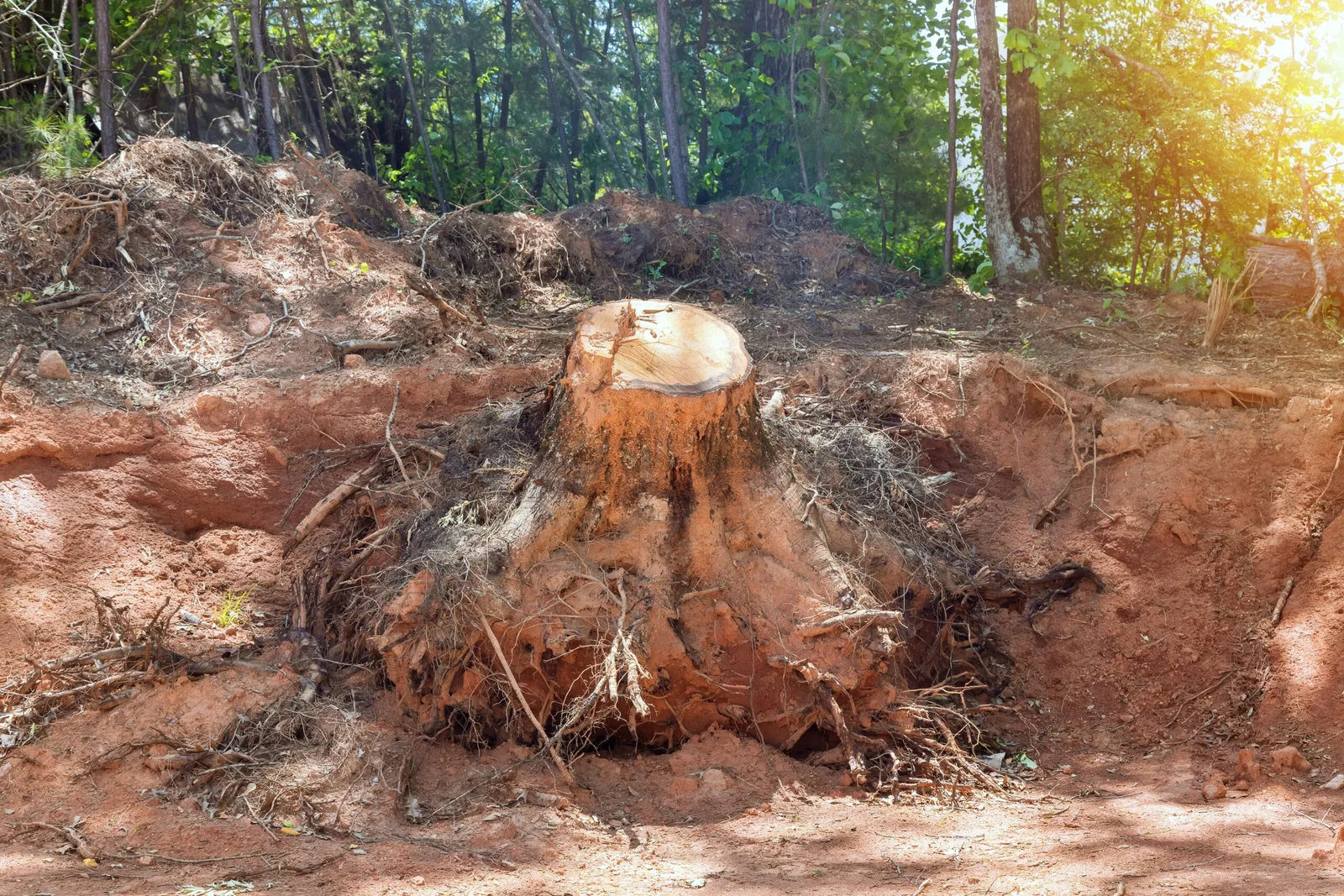
8 Unexpected Items Covered by Green Waste Removal Near Me Services
What Are Green Waste Removal Services and What Items Do They Typically Cover?
Green waste removal services collect and dispose of organic garden materials from residential and commercial properties. These specialised services transport garden debris to composting facilities or recycling centres, supporting sustainable waste management practices.
Standard items accepted by most green waste removal services include:
- Branches and twigs – Small to medium-sized cuttings from pruning and trimming
- Leaves and foliage – Fallen autumn leaves, hedge trimmings, and plant clippings
- Grass clippings – Lawn mowing waste and turf remnants
- Garden plants – Dead flowers, weeds, and spent vegetable plants
- Small soil amounts – Minimal quantities mixed with root balls or garden debris
Most providers focus on these typical green waste items as their core service. The organic nature of this garden debris makes it ideal for composting and mulching programmes. Many homeowners assume these services only handle basic yard waste, yet numerous companies have expanded their offerings beyond traditional garden materials.
The scope of what qualifies as acceptable green waste varies between providers. Some operate strict guidelines limiting collections to pure organic matter, while others embrace a broader interpretation. Understanding these variations helps you maximise the value of green waste removal near me services whilst ensuring proper disposal of various materials from your property.
1. Can Bulky Green Waste and Soil Be Included in My Green Waste Collection?
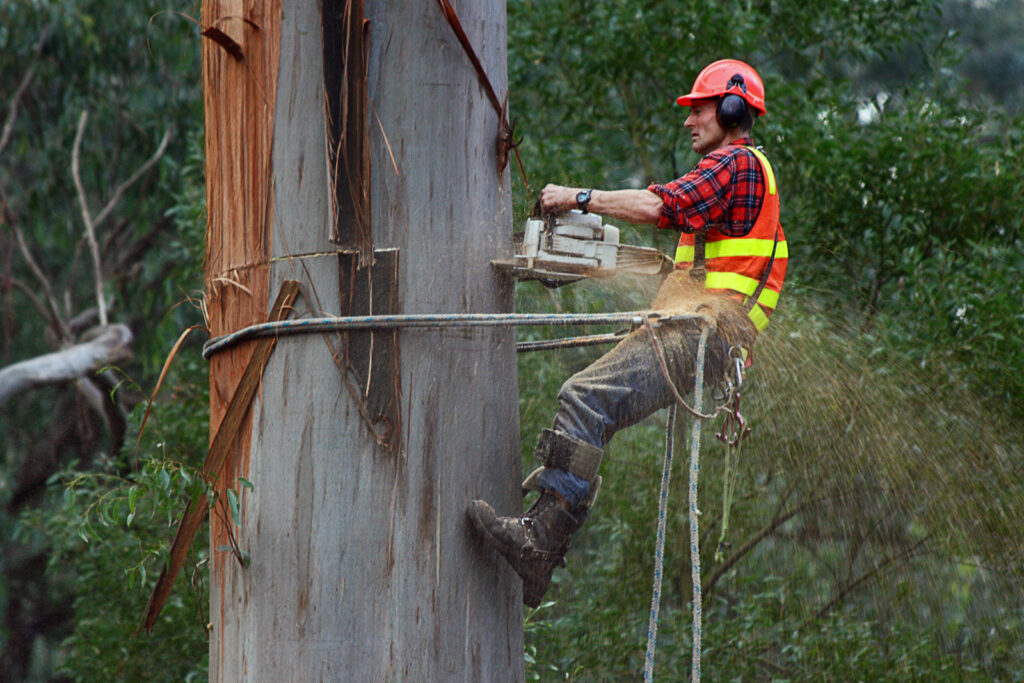
Yes, many green waste removal services accept bulky green waste and limited amounts of soil in garden waste collections. Most providers handle larger branches up to 15-20cm in diameter and tree trimmings that exceed the size of typical garden prunings, though exact specifications vary by company.
Tree limbs from storm damage, substantial hedge reductions, and thick woody stems from mature shrubs typically qualify as acceptable bulky items. Services often request that you cut larger pieces to manageable lengths—usually between 1-2 metres—to facilitate easier handling and processing at composting facilities.
Soil acceptance policies differ significantly between providers:
- Small amounts of soil clinging to plant roots or mixed with grass clippings are generally acceptable
- Loose soil from potted plants or minor garden bed adjustments may be included in moderate quantities
- Large volumes of excavated soil typically require separate disposal arrangements
- Contaminated soil or earth mixed with construction debris is usually excluded
Some services specify a maximum soil-to-organic-waste ratio, often around 10-20% of the total load. This ensures the material remains suitable for commercial composting processes, where excessive soil can interfere with decomposition rates and final compost quality.
Professional green waste collectors may charge additional fees for particularly heavy loads containing significant soil content, as weight affects transport costs. Checking your local provider’s guidelines prevents unexpected charges and ensures your bulky green waste meets acceptance criteria.
2. Are Cardboard and Packaging Materials from Gardening Supplies Accepted in Green Waste Collections?
Yes, many green waste removal services accept cardboard and packaging materials directly linked to gardening purchases. When you buy compost, seeds, plant pots, or fertiliser, the boxes and paper packaging can often go straight into your green waste collection rather than general recycling bins.
Cardboard disposal through green waste services makes practical sense. The materials break down naturally during composting, adding carbon-rich “brown” matter that balances nitrogen-heavy grass clippings and food scraps. Most services welcome clean, uncoated cardboard boxes, paper bags from garden centres, and even egg cartons used for seed starting.
The key is ensuring the materials relate to garden activities. Cardboard plant trays, soil bag packaging, and boxes from outdoor furniture purchases typically qualify. Some providers ask you to remove plastic windows from seed packets or tear off sticky tape, but plain gardening packaging waste generally needs minimal preparation.
Recycling these materials through green waste services offers environmental advantages:
- Reduces landfill contributions from bulky packaging
- Creates nutrient-rich compost for local gardens and parks
- Eliminates the need to separate garden-related cardboard into different waste streams
- Supports circular economy principles by returning organic materials to soil
Check with your specific provider about size restrictions. Large cardboard boxes may need breaking down into smaller pieces, whilst some services request you remove any plastic coating or synthetic labels. Pizza boxes and food-contaminated cardboard usually belong in general waste, but clean cardboard from your latest garden centre haul fits perfectly within green waste parameters.
3. Do Green Waste Services Handle Compostable Food Scraps Alongside Garden Waste?
Yes, many green waste removal providers accept compostable food scraps when they offer organic waste composting services. These services recognise that kitchen waste shares the same decomposition properties as garden materials, making them ideal candidates for combined collection and processing.
The acceptance of food scraps varies by provider and location. Some services explicitly include kitchen waste in their standard green waste collection, while others require separate bins or specific arrangements. Providers who accept food waste typically process it alongside garden debris in commercial composting facilities, where controlled conditions ensure efficient breakdown of all organic materials.
What Types of Food Scraps Qualify?
Accepted items generally include:
- Fruit and vegetable peelings
- Coffee grounds and tea bags
- Eggshells
- Bread and grains
- Plate scrapings (plant-based)
Most services exclude meat, dairy, and oily foods due to pest attraction and slower decomposition rates. These restrictions help maintain the quality of the finished compost and prevent odour issues during collection and processing.
Benefits of Combined Organic Waste Collection
Combining food scraps with garden waste reduces landfill contributions significantly. When organic materials decompose in landfills without oxygen, they produce methane—a greenhouse gas 25 times more potent than carbon dioxide. Organic waste composting through professional services diverts these materials to aerobic facilities where they transform into nutrient-rich soil amendments.
The convenience factor matters too. Households can dispose of garden clippings and kitchen scraps in one collection, streamlining waste management routines. This integrated approach encourages more residents to participate in composting programmes, even those without space for home compost bins.
Some providers supply specialised bins with ventilation and odour-control features specifically designed for food waste. These bins often come with compostable liners, making the collection process more hygienic and user-friendly for households managing both garden and kitchen organic waste.
4. Is There a Place for Biodegradable Gardening Materials in My Green Waste Collection?
Yes, many green waste removal services accept biodegradable materials used in gardening, though acceptance varies between providers. These eco-friendly products break down naturally, making them suitable for composting alongside traditional garden waste.
Biodegradable plant pots represent one of the most commonly accepted items in green waste collections. Made from materials like coconut coir, rice husks, or compressed peat, these pots decompose directly in soil or compost bins. When you’ve finished transplanting seedlings, you can toss these containers straight into your green waste bin rather than separating them as plastic waste.
Natural fibre mulch bags and sacks also qualify for biodegradable materials disposal through green waste services. Jute, hessian, and other plant-based fabrics used for packaging mulch, compost, or soil amendments can join your garden clippings. These materials add valuable carbon content to compost systems.
Bamboo plant stakes and supports break down over time and are typically welcomed in green waste collections. Unlike plastic or metal alternatives, bamboo stakes that have weathered or snapped can be disposed of with your branches and prunings.
Biodegradable seed trays and propagation materials made from wood pulp or similar organic compounds fit within most green waste parameters. Check whether your specific service accepts these items, as some providers prefer they be broken into smaller pieces first.
Paper-based weed control fabrics and biodegradable tree guards can often be included in your collection. These gardening products disposal options help reduce landfill waste whilst supporting sustainable gardening practices.
Contact your local green waste removal provider to confirm which specific biodegradable materials they accept, as capabilities differ based on their processing facilities and composting methods.
5. Can I Include Household Rubbish Related to Garden Upkeep in My Green Waste Collection?
Yes, many green waste removal services accept specific household rubbish directly connected to garden maintenance and seasonal clean-up waste. Items like old garden gloves, worn-out hessian sacks, natural fibre twine, and bamboo stakes often qualify when they’re part of your garden upkeep routine.
Acceptable household items typically include:
- Broken terracotta pots and ceramic planters
- Natural fibre doormats used in garden sheds
- Worn cotton or hessian garden aprons
- Wooden garden markers and plant labels
- Paper seed packets and instruction cards
- Natural bristle brushes used for garden cleaning
The key distinction lies in the material composition and direct garden connection. Items must be made from natural, biodegradable materials rather than synthetic alternatives. A cotton gardening glove qualifies for household rubbish disposal through green waste services, whilst rubber or plastic gloves require standard waste collection.
Seasonal clean-up waste presents additional opportunities. Spring and autumn garden clearances often generate items like old wicker baskets, wooden tool handles, and natural fabric plant covers. These materials decompose alongside organic garden waste when processed correctly.
Items requiring verification with your provider:
- Wooden garden furniture showing rot or damage
- Natural fibre outdoor cushion covers
- Jute or sisal garden edging materials
- Cork pot feet and plant saucers
Service providers establish clear guidelines about what constitutes garden-related household rubbish disposal. Some accept items only during scheduled seasonal collections, whilst others include them year-round. The material must break down naturally without contaminating the composting process. Painted or treated wood, for instance, typically requires separate disposal despite its garden origins.
6. Are Construction or Landscaping Debris Also Covered by Green Waste Removal Services?
Yes, many green waste removal services extend their coverage to include construction green waste and landscaping debris removal from renovation projects. These services recognise that garden transformations and property improvements generate organic waste that fits within their collection parameters.
Landscaping debris removal typically encompasses soil excavated during garden redesigns, turf removed when installing new features, and plant material cleared during property renovations. When you’re reshaping garden beds, installing retaining walls, or creating new pathways, the displaced earth and vegetation can often go straight into your green waste collection rather than requiring separate skip hire.
Some providers accept these specific construction-related items:
- Excess topsoil and subsoil from landscaping projects
- Sod and turf strips removed during garden renovations
- Plant material cleared from building sites
- Tree roots and stumps from land clearing (size restrictions apply)
- Mulch and organic ground cover replaced during upgrades
The key distinction lies in the organic nature of the waste. Services handling construction green waste focus on natural materials rather than building rubble, concrete, or treated timber. A garden renovation that involves removing established hedges, clearing overgrown areas, or excavating planting zones generates substantial organic debris that qualifies for green waste collection.
Many companies offering these expanded services provide volume-based pricing, making it cost-effective for homeowners undertaking significant landscaping projects. This approach proves particularly valuable when you’re managing multiple waste streams during renovations, allowing you to separate organic matter from general construction waste efficiently. The 8 Unexpected Items Covered by Green Waste Removal Near Me Services often include these renovation byproducts, provided they meet the service’s specifications for organic content and contamination levels.
How Do Pricing and Service Features Support These Expanded Offerings in Green Waste Removal Services?
Fixed pricing green waste removal operates on transparent volume-based models that make budgeting straightforward. Most providers charge per cubic metre of waste collected, with rates typically ranging from £50 to £150 depending on your location and the specific materials involved. This predictable pricing structure allows you to calculate costs before booking, eliminating surprise fees.
Volume-based pricing accommodates the diverse range of items these services now accept. A single cubic metre might contain a mixture of tree branches, soil from landscaping work, biodegradable pots, and cardboard packaging from garden supplies. The all-inclusive nature of these quotes usually covers:
- Collection and loading by trained staff
- Transportation to appropriate disposal or recycling facilities
- Tipping fees at waste management centres
- Sorting of materials for composting or recycling
Same-day service options have become increasingly common among green waste removal providers. This rapid response capability proves particularly valuable during seasonal garden clearances or after storm damage when branches and debris accumulate quickly. Many companies offer booking slots within 2-4 hours of initial contact, provided you schedule during business hours.
The speed of service doesn’t compromise the range of accepted materials. Providers equipped for same-day collection maintain the same standards for accepting unexpected items like construction debris or compostable food waste. Some companies operate seven days a week, extending availability beyond traditional weekday schedules.
Flexible service tiers cater to different project scales. Smaller residential jobs might require only 1-2 cubic metres of capacity, whilst major landscaping renovations could need 5-10 cubic metres or multiple collections. Providers often offer discounts for larger volumes or regular scheduled pickups, making comprehensive waste management more economical for ongoing garden maintenance.
Is E-Waste or Hard Waste Collection Sometimes Included in Green Waste Removal Services?
Can my local council collect electronics and bulky items during green waste pickups?
Some local councils coordinate e-waste collection and hard waste removal alongside their regular green waste services, though these typically operate as separate scheduled events. Many municipalities organise quarterly or biannual clean-up days where residents can place electronics, furniture, and garden waste curbside for simultaneous collection.
What types of items qualify for combined collection events?
During these coordinated pickups, councils accept a broader range of materials:
- Old televisions, computers, and small appliances
- Broken garden furniture and outdoor equipment
- Mattresses and household furniture
- Metal items such as BBQ grills or garden tools
- Green waste including branches, leaves, and plant material
The scheduling differs significantly from standard green waste services. Whilst garden waste might be collected fortnightly, e-waste collection events often require advance booking or occur on specific dates announced through council communications.
How do private green waste removal companies handle non-garden items?
Private operators occasionally offer bundled services that include both green waste and hard rubbish removal. These companies recognise that garden renovations often generate mixed waste streams—old pavers alongside plant material, or broken garden sheds mixed with tree trimmings.
Some providers charge separate rates for hard waste removal even when collected during the same visit. A typical arrangement might include standard green waste pricing plus an additional fee calculated by item count or weight for non-organic materials.
Are there restrictions on combining different waste types?
Most services require physical separation of waste categories. Green waste must be placed in designated bins or piles, whilst electronics and hard rubbish need separate placement. This separation ensures proper processing—organic material heads to composting facilities, metals to recycling centres, and electronics to specialised e-waste processors.
Contamination penalties apply when residents mix incompatible materials. Placing electronics inside green waste bins can result in collection refusal or additional sorting fees.
Conclusion
Sustainable garden waste management is about more than just getting rid of leaves and grass cuttings. The 8 Unexpected Items Covered by Green Waste Removal Near Me Services show how modern providers have adapted to meet wider environmental needs while also helping homeowners recycle.
Get in touch with your local green waste removal provider to find out what materials they accept. Many residents miss out on the chance to dispose of items responsibly simply because they don’t know about the expanded services available. Your provider can tell you if they accept:
- Biodegradable gardening products and packaging
- Compostable kitchen scraps along with garden waste
- Small amounts of soil from landscaping projects
- Cardboard from gardening supply deliveries
- Larger tree trimmings and bulky organic materials
By making the most of these services, you can reduce landfill waste and support composting initiatives in your community. Find out if your local council has combined collection days for e-waste, hard waste, and green waste to make your disposal efforts more efficient.
When booking your next collection, ask for detailed information about pricing based on volume and whether same-day service is available. Knowing what types of waste are acceptable will help you plan your garden clean-ups better and contribute to environmental sustainability goals.
Make use of the comprehensive waste management solutions in your area—you might be surprised by how much more your green waste service can take.
Learn more Is It Safe to Attempt Stump Removal Yourself? (The Arborist’s Opinion)