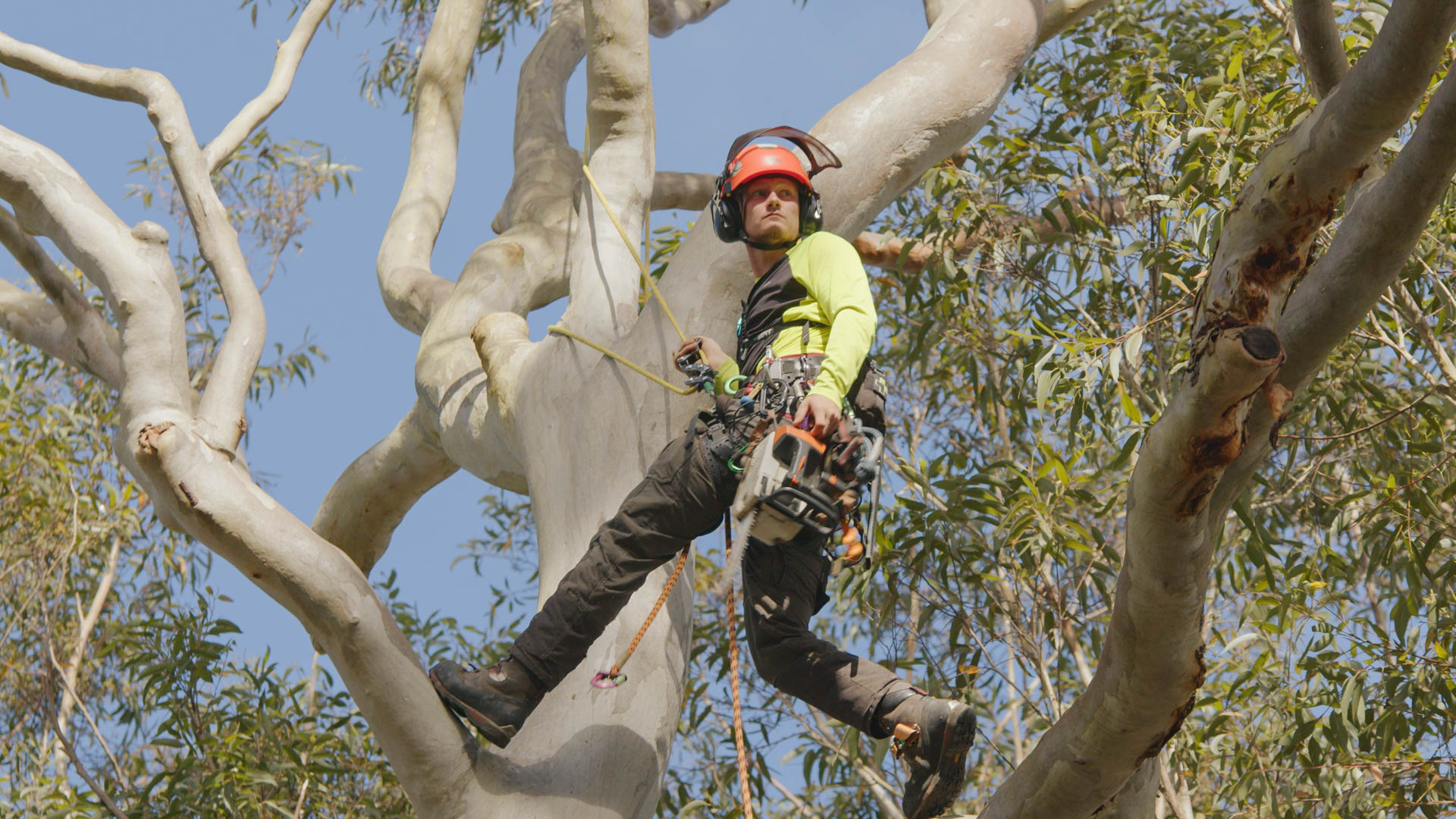
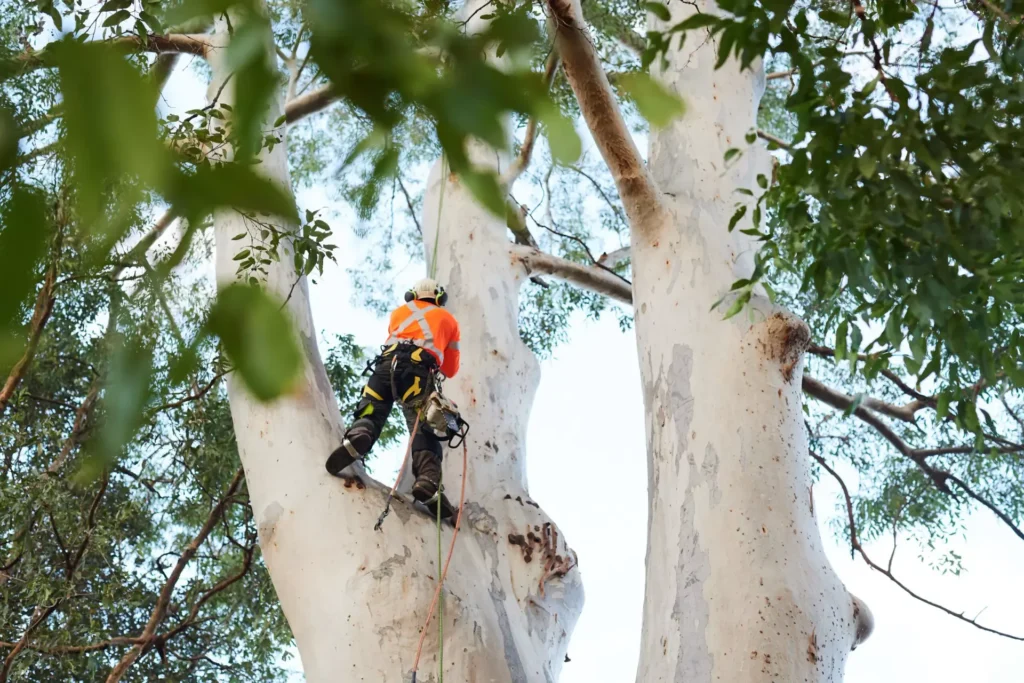
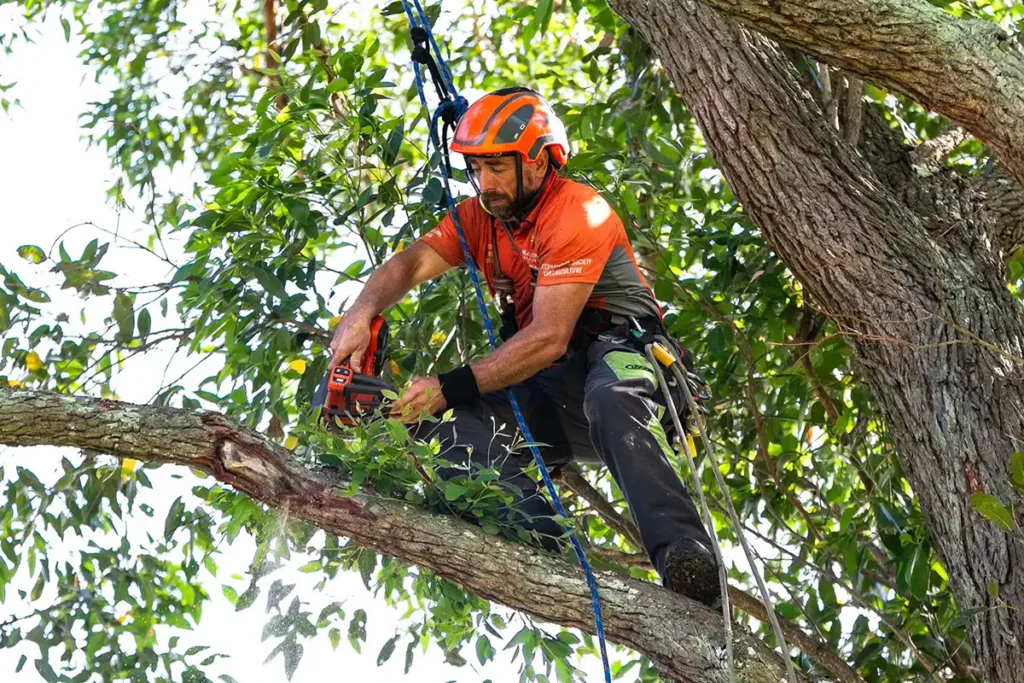
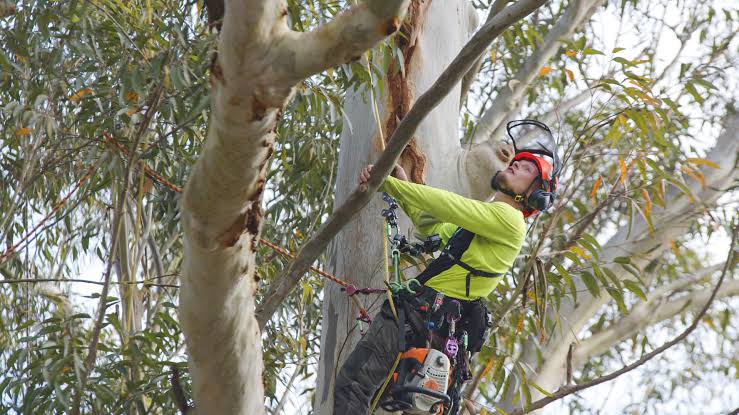
Most people meet an arborist when something needs cutting, which undersells the profession considerably. The higher-value work is diagnostic and evidentiary: determining why a tree is declining, quantifying the risk it presents, writing the report your council or insurer will actually accept, and designing how a tree survives a construction project happening two metres from its trunk. If you own property in Sydney with significant trees on it, knowing what an arborist can do saves you money in ways a quote for pruning never will.
This guide covers the service categories, what the qualification tiers mean in practice, when a report is required, and what the consulting work costs.
What arborists actually do
The scope runs from practical to forensic: health assessment and diagnosis; pest, disease and disorder identification; pruning and removal specification; tree risk assessment; written reports for council applications, development consent, insurance claims and litigation; tree protection planning on building sites; root investigation and mapping; soil analysis and decompaction; valuation of amenity trees; and canopy management planning for larger landholdings and strata schemes.
The qualification tiers, and why they matter
Arboriculture qualifications are graded under the Australian Qualifications Framework. Level 3 is the practical tier: climbing, rigging, felling, pruning to standard. Level 5 is the consulting tier covering assessment, diagnosis and report writing. This is not academic hair-splitting. Several Sydney councils will only accept a tree report prepared by an assessor holding a Level 5 arboricultural qualification, and the City of Sydney states plainly in its published guidance that reports are assessed by an officer holding equivalent qualifications. Commission a report from a Level 3 climber and you will pay twice. Training pathways in this state run largely through TAFE NSW.
Health assessment and diagnosis
A proper assessment examines the whole system: crown density and dieback pattern, leaf colour and size, branch extension over recent seasons, trunk and buttress condition, fungal fruiting bodies, cavities and included unions, root plate stability, soil compaction, drainage and recent site changes. Instruments including resistance drills, sonic tomography and moisture probes are used where internal decay is suspected. The output is a diagnosis and a prognosis, not merely an opinion that the tree looks unwell.
Pests, pathogens and disorders in Sydney
Common findings across the basin include Phytophthora root rot in poorly drained soils, Armillaria and other decay fungi in older stock, borers and longicorn beetles in stressed eucalypts, psyllids and lerps causing repeated defoliation, myrtle rust on species in the Myrtaceae, and a long list of abiotic disorders driven by compaction, altered drainage, fill over the root plate and root severance during building work. In practice the abiotic causes are more common than the biological ones. Biosecurity and plant health information is published by NSW Department of Primary Industries and nationally by the Department of Agriculture, Fisheries and Forestry.
Tree risk assessment
Risk is a function of the likelihood of failure, the likelihood of impact and the consequence of impact. A large dead limb over a bush track is a different proposition to a small one over a child’s bedroom. A systematic assessment produces a risk rating and a proportionate treatment: monitor, prune, install cabling or bracing, restrict the target area, or remove. This framework is also what allows an arborist services Sydney to defend a recommendation to retain a tree that a nervous owner wanted removed.
When you need a written report
You will need one to support a council application to remove or heavily prune a protected tree; to accompany a development application where trees are on or adjoining the site; to substantiate an insurance claim after a failure; to support or defend a matter under the Trees (Disputes Between Neighbours) Act 2006 before NCAT; and in pre-purchase due diligence where mature trees may constrain future building. Applications are lodged through the NSW Planning Portal under the framework in SEPP (Biodiversity and Conservation) 2021.
Tree protection on development sites
Where building work is proposed near retained trees, an arborist establishes the tree protection zone, specifies fencing and ground protection, sets limits on excavation and level change within the zone, designs root-sensitive footing and service alignments, and supervises works at the critical stages. This is usually a condition of consent rather than an optional extra, and the supervision component is what determines whether the retained tree is alive in five years. Policy context for canopy retention sits with the NSW Department of Planning, Housing and Infrastructure.
Soil and root work
Most urban tree decline begins below ground. Compaction from vehicles and stored materials collapses pore space and starves roots of oxygen. Fill over the root plate does the same. Remedial options include air-spading to decompact without severing roots, vertical mulching, soil amendment, targeted irrigation and root barriers to redirect growth away from footings and services. Applied research on soil, water and tree performance under Australian conditions comes from institutions including the Hawkesbury Institute for the Environment and the University of Melbourne.
What consulting costs
Expect roughly $250 to $600 for a site consultation with verbal advice, $500 to $1,200 for a standard written arborist report, $1,000 to $2,500 for an arboricultural impact assessment and tree protection plan on a development site, and hourly rates for supervision and expert evidence. Set against a removal you did not need, a consent you would otherwise have lost, or a mature tree killed by an unsupervised excavator, it is generally the cheapest line in the project.
Choosing a consulting arborist
Confirm the AQF level in writing before engaging, ask for two sample reports with client details redacted, check the ABN on the Australian Business Register, confirm professional indemnity as well as public liability cover, and ask directly whether they also quote the physical works. A consultant who stands to win the removal contract is not the ideal person to decide whether removal is necessary.
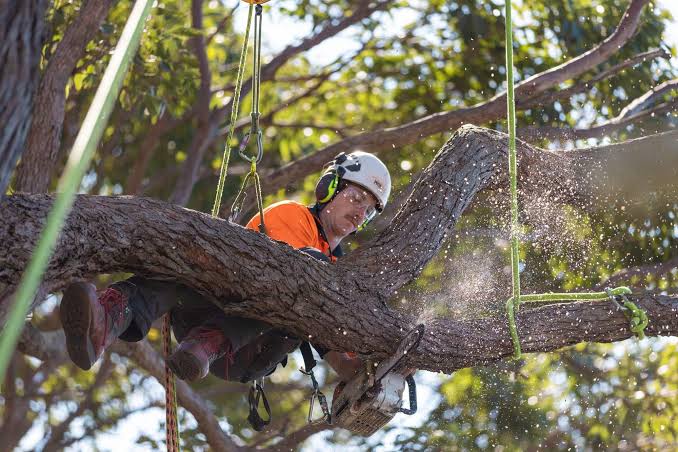
Trimming is the maintenance work that prevents the emergencies. A tree pruned correctly every few years rarely drops limbs, rarely needs removal before its time, and rarely turns into a dispute with a neighbour. A tree left alone for twenty years and then cut hard becomes all three. The distinction that matters is not trimming versus pruning, which are the same activity described in different registers, but trimming versus topping.
This guide sets out the recognised trimming types, why the standard governs the outcome, what it costs in Sydney, when to do it for each tree group, and how to specify the work so you get what you paid for.
What professional trimming sets out to achieve
Every cut has a cost to the tree, so competent tree trimming sydney removes the minimum required to meet a defined objective: eliminate deadwood and hazardous limbs, reduce end-weight on over-extended branches, restore clearance to a building or driveway, improve light and air movement through the crown, correct a developing structural fault, or manage overall size. “Tidy it up” is not an objective. If your quote does not name one, the crew will invent theirs on the day.
The recognised trimming types
Deadwood removal
Dead, dying, broken and hanging material is removed. Lowest impact, highest safety return, and often all a mature tree needs.
Crown thinning
Selective removal of interior, crossing and duplicated branches reduces density without altering the outline. Lowers wind loading and improves light penetration.
Crown lifting
Lower limbs come off to create clearance over paths, driveways or roofs. Best done gradually on young trees rather than all at once on mature ones.
Crown reduction
Height and spread are reduced by cutting back to suitable laterals, retaining natural form. This is the legitimate answer to an oversized tree and the direct alternative to topping.
Formative pruning
Structural work on young trees to establish a single dominant leader and well-spaced scaffold branches. The cheapest arboriculture you will ever buy, and it eliminates most problems before they exist.
The standard that governs the work
Australian Standard AS 4373, Pruning of amenity trees, defines these types, specifies cut placement relative to the branch collar, and caps how much live crown may be removed at once. Sydney councils reference it in tree management controls and in permit conditions; the City of Sydney publishes guidance for residents and arborists that ties the standard to practical decisions about who should do the work. Training against the standard runs through TAFE NSW, graded under the Australian Qualifications Framework.
Why this is not a DIY job
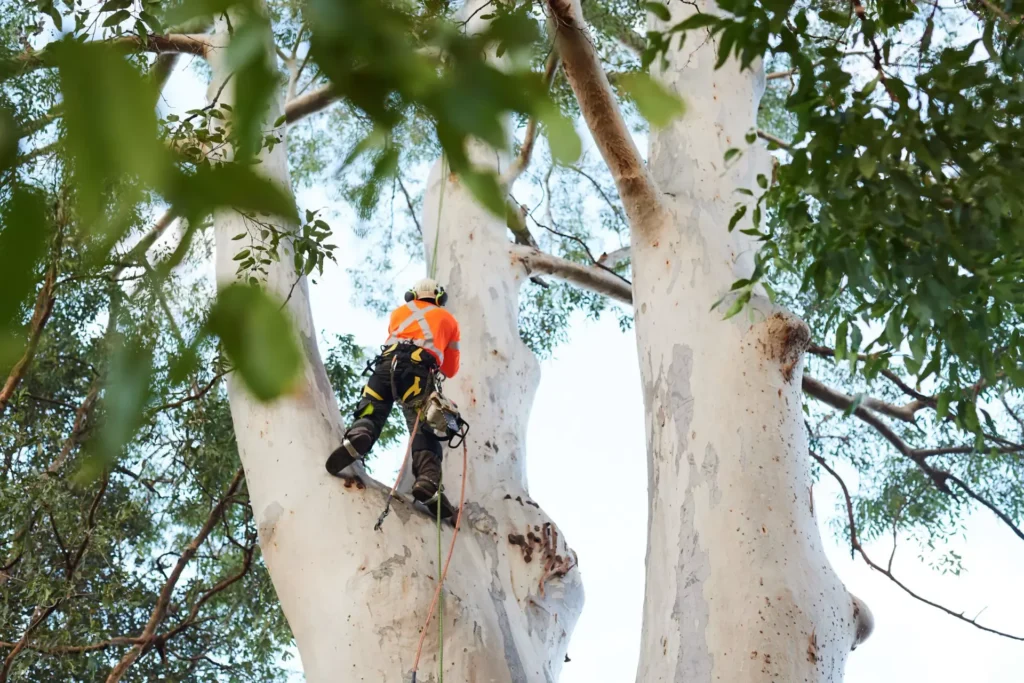
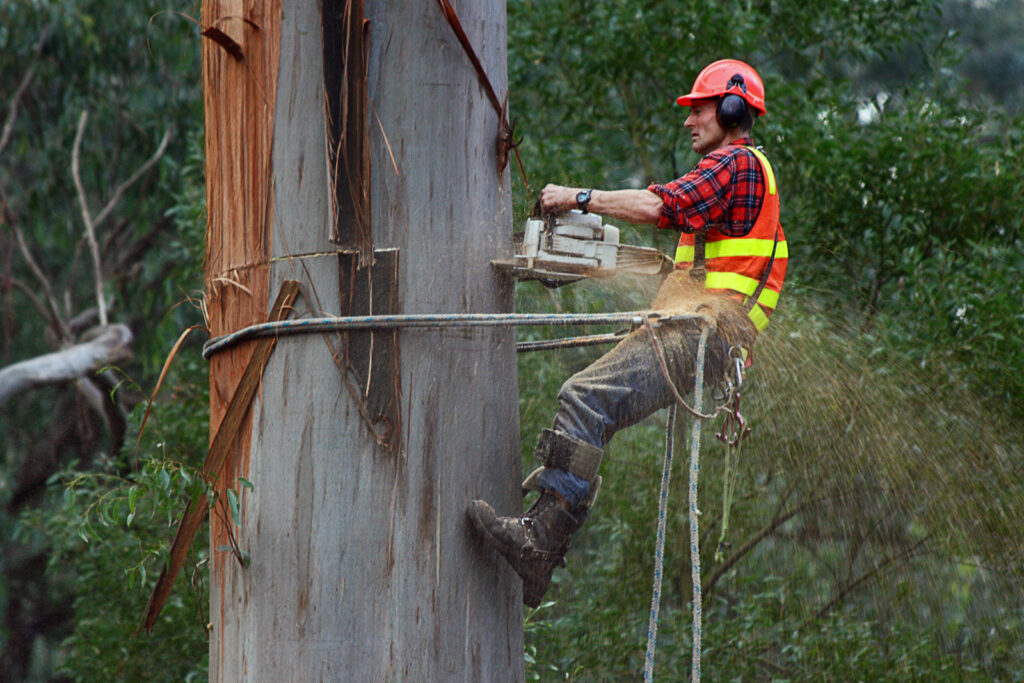
Anything requiring a ladder, a chainsaw above shoulder height, or work near an electrical service is beyond safe amateur reach. Tree work is classified as high-risk activity by SafeWork NSW, with duties covering fall protection, exclusion zones and approach distances to overhead assets. Beyond safety, the technical failures are consistent: flush cuts that destroy the branch collar, stubs that never seal, over-removal that triggers epicormic growth, and cuts made with blunt tools that tear rather than sever. All are invisible on the day and expensive in five years.
Permits apply to trimming too
Many owners assume consent is only needed for removal. In most Sydney council areas, pruning beyond a defined threshold requires the same permit, and the framework is SEPP (Biodiversity and Conservation) 2021 applied through your local development control plan, lodged via the NSW Planning Portal. Where the tree is next door, the Trees (Disputes Between Neighbours) Act 2006 applies and consent still does not authorise entry onto their land.
Timing by tree group
Deciduous exotics are best pruned in late winter while dormant, when structure is visible and wound closure follows quickly with spring growth. Spring-flowering ornamentals are pruned immediately after flowering to preserve next season’s buds. Eucalypts and most Australian natives tolerate late winter to early spring, avoiding the peak of summer heat stress. Palms need only dead frond removal, never a haircut into the crown. Deadwood and genuine hazards are removed whenever identified, season notwithstanding.
What trimming costs in Sydney
Small trees under six metres with clear access commonly run $300 to $700. Medium trees $700 to $1,500. Large gums, figs and camphors requiring climbing or an elevated work platform typically $1,500 to $3,500, more where traffic control or crane access is needed. Cost drivers are height and access rather than the volume of material removed, which is why a light thin on a big tree can cost more than a heavy reduction on a small one. Confirm debris removal is included, because it is often the missing line.
What you get in return
Structural risk falls, storm damage becomes far less likely, and the tree’s useful life extends by decades. Canopy also does measurable work: research from the Hawkesbury Institute for the Environment has documented substantial temperature differences between shaded and unshaded urban surfaces across Western Sydney, and canopy retention is central to greening policy published by the NSW Department of Planning, Housing and Infrastructure. A well-trimmed tree keeps delivering shade, amenity and property value. A topped one delivers a maintenance bill.
Specifying the job
Ask the contractor to name the AS 4373 pruning type, the target branches or diameters, the percentage of live crown to be removed, who lodges the council application, and how debris is handled. Require AQF evidence and current insurance certificates. Then photograph the tree before work starts. A specification that fits on one page is what separates a trimmed tree from a lopped one.
Is It Safe to Attempt Stump Removal Yourself? (The Arborist’s Opinion)
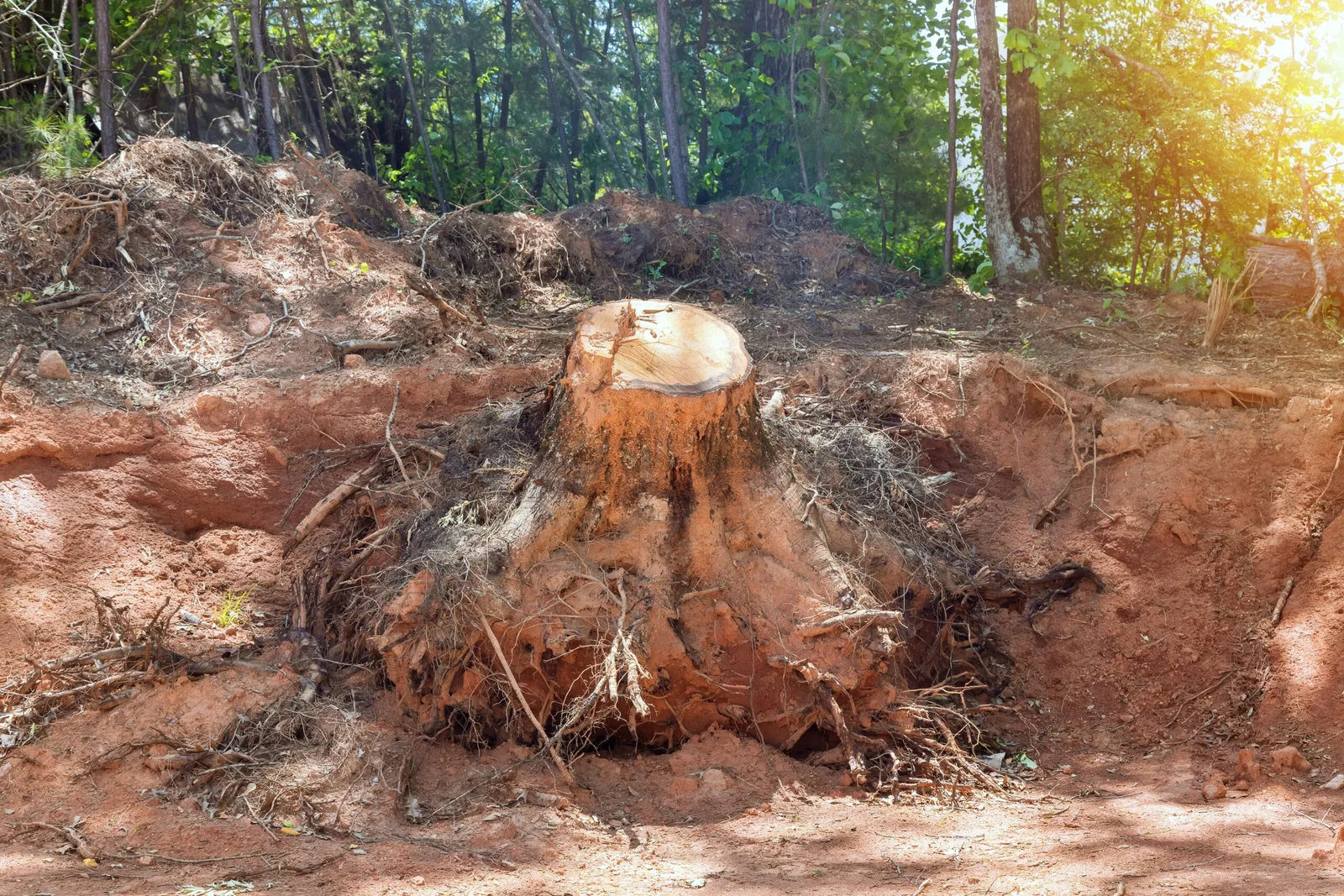
Stump removal involves extracting the remaining portion of a tree trunk and its root system from the ground after felling. Most arborists consider DIY stump removal a high-risk activity that homeowners should approach with extreme caution or avoid entirely.
The process presents numerous challenges that extend beyond simple physical labour. Tree stumps anchor themselves through extensive root networks that can spread several metres underground, often intertwining with utilities, foundations, and drainage systems. The wood itself may be hardened, decayed, or infested with pests, creating unpredictable conditions during removal. For a safer and more efficient approach, professional stump grinding services such as https://treesdownunder.com.au/stump-grinding stump grinding solutions are commonly recommended.
Safety concerns dominate professional discussions about stump removal. Certified arborists consistently warn that the combination of heavy machinery, underground hazards, and physical demands creates a dangerous environment for untrained individuals. The equipment required—from stump grinders to chainsaws—can cause severe injuries when operated without proper training.
Professional arborists bring a distinct perspective shaped by years of experience and formal certification. They assess each stump individually, considering factors such as:
Species-specific root structures and decay patterns
Proximity to buildings, utilities, and other vegetation
Soil conditions and potential environmental impact
Local regulations governing tree and stump removal
The arborist’s opinion on DIY stump removal remains largely consistent across the industry: whilst small, shallow stumps might be manageable for experienced homeowners with appropriate tools, most situations warrant professional intervention. This stance stems from documented incidents of property damage, personal injury, and incomplete removal attempts that create long-term problems.
Why Do Arborists Advise Caution When Removing Stumps Yourself?
Arborists consistently warn against DIY stump removal because the stump removal hazards far outweigh any perceived cost savings. The physical dangers alone—ranging from chainsaw kickback to stump grinder entanglement—result in thousands of accident and emergency visits annually. Without professional expertise, homeowners underestimate both the power of removal equipment and the unpredictable nature of decaying wood.
Physical Injury from Heavy Machinery
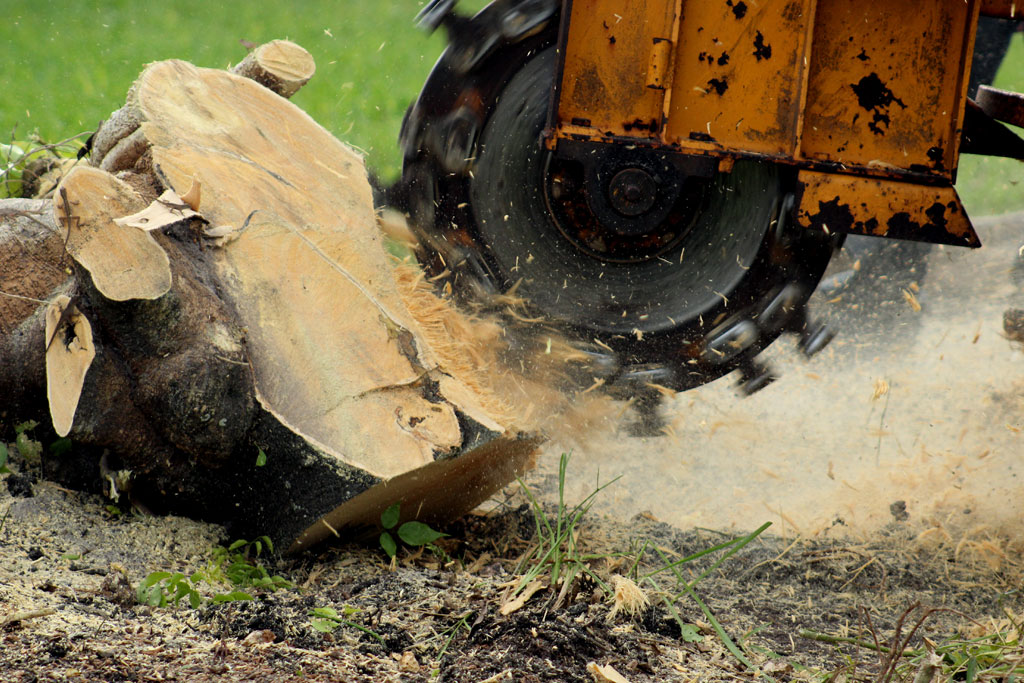
Stump grinders operate with rotating cutting discs that spin at speeds exceeding 1,000 RPM. A single moment of distraction can lead to severe lacerations, amputations, or crushing injuries. The machines weigh several hundred kilograms and require precise handling to prevent tipping or loss of control on uneven terrain.
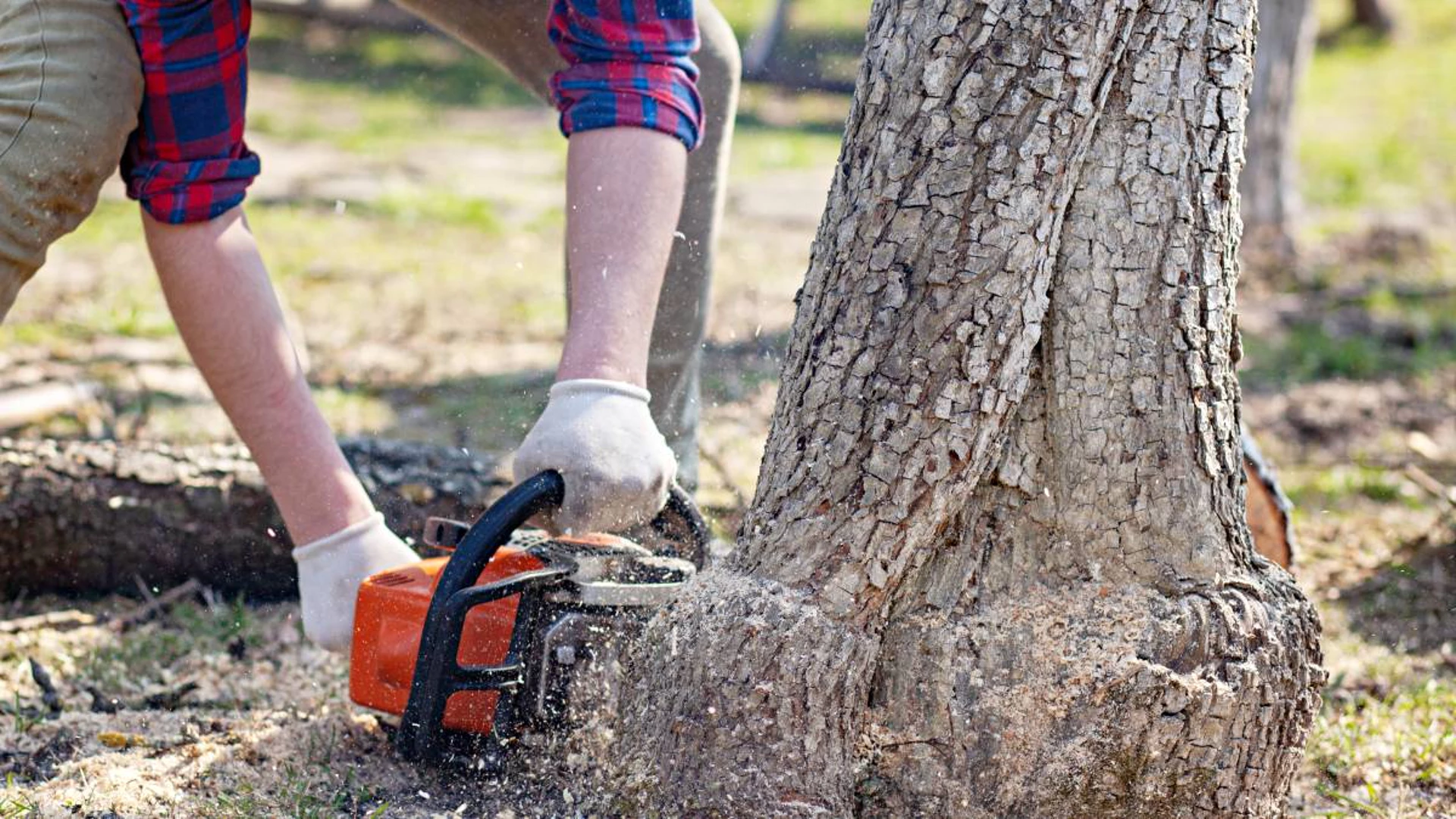
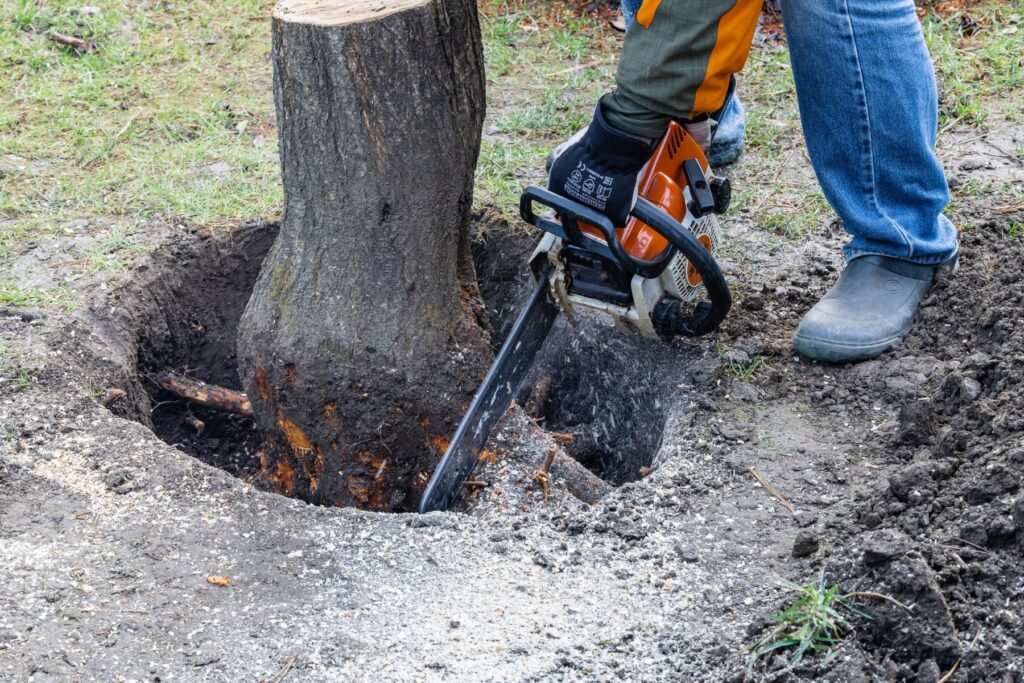
Chainsaws present equally serious DIY risks when used to cut stumps flush with the ground. The proximity to soil increases the likelihood of chain dulling, which causes the saw to bind and kick back violently toward the operator. Protective equipment like chainmail gloves and cut-resistant trousers becomes essential, yet many homeowners attempt the work in ordinary clothing.
Manual removal methods involving picks, mattocks, and pry bars create repetitive strain injuries and back problems. The force required to sever major roots often exceeds what untrained individuals can safely exert, leading to muscle tears and joint damage.
Property Damage and Underground Utilities
Buried infrastructure poses invisible threats during stump removal. Gas lines, water mains, electrical cables, and telecommunications fibres frequently run through residential properties at depths of 30-60 centimetres—exactly where stump roots extend.
Striking a gas line with grinding equipment can trigger explosions or toxic leaks requiring immediate evacuation. Severing electrical cables risks electrocution and neighbourhood power outages. Water main damage floods properties and incurs repair costs reaching thousands of pounds.
The “Call Before You Dig” services exist precisely because homeowners cannot reliably locate utilities themselves. Arborists coordinate with utility companies to mark lines before beginning work, a step DIY enthusiasts often skip.
Structural damage extends beyond utilities:
Foundation cracks: Aggressive root removal.
What Are the Common Safety Risks Associated with DIY Stump Removal?
DIY stump removal presents numerous stump removal injury risks that can result in serious harm or permanent disability. The equipment required for this task—from chainsaws to stump grinders—demands specialised training and protective gear that most homeowners lack.
Chainsaw-Related Injuries
Chainsaws rank among the most dangerous tools in stump removal work. Kickback incidents occur when the chain catches on wood and violently throws the saw back towards the operator, potentially causing severe lacerations to the face, neck, or torso. Inexperienced users often misjudge cutting angles, leading to:
Deep cuts requiring immediate medical attention
Severed tendons or nerves in hands and arms
Facial injuries from flying wood chips and debris
Hearing damage from prolonged exposure to high decibel levels
The Occupational Safety and Health Administration reports thousands of chainsaw injuries annually, with many occurring during stump removal attempts by untrained individuals.
Stump Grinder Hazards
Stump grinders pose unique dangers that extend beyond the operator. These machines feature rotating cutting wheels with carbide teeth spinning at high speeds, capable of launching projectiles at velocities exceeding 100 mph. Tool safety protocols require:
Full-face shields and impact-resistant eye protection
Steel-toed boots to protect against falling debris
Heavy-duty gloves rated for mechanical hazards
Ear protection to prevent noise-induced hearing loss
Contact with the grinding wheel can result in traumatic amputations or crushing injuries. The machine’s weight and power also create risks of the equipment tipping over on uneven terrain, potentially pinning or crushing the operator.
Underground Utility Strikes
Excavating around stumps without proper utility location services creates catastrophic property damage risks. Tree roots often intertwine with buried infrastructure, making strikes highly probable during aggressive removal attempts. Hitting underground utilities can cause:
Electrical cables: Electrocution, fires, or power outages affecting entire neighbourhoods
Gas lines: Explosions, toxic gas leaks, and mandatory evacuations
Water mains: Flooding, erosion, and expensive emergency repairs
How Do Professional Arborists Approach Stump Removal Differently?
Professional arborists begin with a comprehensive site assessment that examines the stump’s size, root system, proximity to structures, and potential underground hazards. This initial evaluation determines the safest removal method and identifies any complications before work begins, reducing the likelihood of costly mistakes or dangerous situations.
What Makes Certified Arborist Assessment Different?
Certified arborists possess specialised training in tree biology and structural analysis that DIY enthusiasts typically lack. They evaluate whether the stump shows signs of disease, decay, or pest infestation that could affect the removal process or spread to nearby vegetation. This expertise allows them to predict how root systems extend underground, which is critical when working near foundations, driveways, or utility lines.
The assessment phase includes:
Measuring stump diameter and estimating root spread
Testing soil composition and moisture levels
Identifying nearby trees that share root systems
Checking for signs of structural instability in surrounding areas
Documenting existing property features that require protection
Which Specialised Equipment Do Professionals Use?
Professional arborist methods rely on commercial-grade machinery designed specifically for safe stump removal. Unlike consumer-grade tools available for rent, professional equipment features enhanced safety mechanisms, greater power efficiency, and precision controls that minimise collateral damage.
Stump grinders used by professionals typically range from 25 to 100 horsepower, compared to 13-20 horsepower rental units. These industrial machines can grind stumps 12-18 inches below ground level in a fraction of the time, reducing exposure to hazardous conditions. The cutting teeth are professionally sharpened and replaced regularly, ensuring clean cuts that prevent dangerous kickback.
Hydraulic stump pullers provide an alternative method for stumps in sensitive locations. These devices apply controlled force to extract the entire root ball without vibration or grinding debris, making them ideal for areas near underground utilities or delicate landscaping.
Additional specialised equipment includes:
Ground-penetrating radar to locate buried cables and pipes
Protective barriers and safety zones to shield property
Industrial wood chippers for immediate debris processing
Soil amendment tools to restore ground stability post-removal
Can Some Stumps Be Saved Instead of Removed?
Not every stump needs to be completely removed—certified arborists can identify situations where keeping the stump offers better outcomes for your landscape. Professional evaluation determines whether a stump remains structurally sound, disease-free, and positioned in a way that doesn’t threaten property or safety.
When Do Arborists Recommend Stump Preservation Alternatives?
Arborists look at multiple factors before suggesting removal or preservation. A stump from a recently cut tree might still have a healthy root system that prevents soil erosion, especially on slopes or near water features. The type of tree is important—hardwood stumps from oak or maple trees decompose slowly and can serve functional purposes for years.
Viable preservation scenarios include:
Stumps located in natural woodland areas where decomposition supports ecosystem health
Structurally sound stumps that can be transformed into garden features or wildlife habitats
Root systems that stabilise soil in erosion-prone areas
Stumps from non-invasive species without disease or pest infestations
Arborists conduct thorough inspections for signs of rot, fungal growth, or insect activity. They examine the surrounding soil conditions and assess whether the stump’s root network provides valuable erosion control. If the tree was removed due to storm damage rather than disease, the remaining stump often stays healthy enough to preserve.
How Does Stump Preservation Support Biodiversity?
Leaving certain stumps alone creates small habitats that benefit local wildlife and soil organisms. Dead wood provides essential resources for numerous species that form the foundation of healthy ecosystems. Fungi colonise decaying stumps, breaking down lignin and cellulose while creating networks that support surrounding plant life.
The biodiversity benefits extend across multiple levels:
Invertebrate populations: Beetles, ants, and other insects use stumps for nesting and food sources
Fungal networks: Mycorrhizal fungi establish connections between the decaying stump and living plants
Bird and small mammal habitats: Cavities in older stumps provide shelter and foraging opportunities
Soil enrichment: Gradual decomposition releases nutrients back into the surrounding earth
Research shows that decomposing wood supports up to 40% of forest biodiversity.
What Local Regulations Should Be Considered Before Removing a Stump?
Local tree regulations, permits for stump removal, and protected vegetation laws vary significantly by region and can result in substantial fines if ignored. Many councils classify certain tree species as protected, require permits for stumps exceeding specific diameters, or designate entire areas as conservation zones where removal is restricted or prohibited.
Understanding Your Council’s Tree Preservation Orders
Tree Preservation Orders (TPOs) often extend to stumps, meaning you cannot remove them without written consent from your local planning authority. These orders protect trees that contribute to the landscape’s character or hold ecological significance. Stumps from trees previously covered by TPOs typically remain protected even after the tree has been felled, requiring formal application and approval before any removal work begins.
Heritage and Conservation Area Restrictions
Properties within conservation areas face additional scrutiny regarding stump removal. You must provide six weeks’ notice to your council before removing any stump, regardless of size or species. During this period, the council assesses whether the stump warrants protection and may impose conditions or refuse permission entirely. Heritage-listed properties often require even more stringent approvals through multiple governmental bodies.
Species-Specific Protection Laws
Certain native species receive statutory protection under environmental legislation, making their removal—including stumps—illegal without proper authorisation. Australian councils, for example, protect significant native trees through local environmental plans. Removing protected stumps without permits can result in prosecution, restoration orders, and fines reaching tens of thousands of pounds.
Underground Utility Considerations
Before any stump removal, you must contact utility companies to identify underground services. Regulations require property owners to verify the location of:
Gas lines and mains
Electrical cables and conduits
Water and sewerage pipes
Telecommunications infrastructure
Stormwater drainage systems
Damaging these utilities during unauthorised stump removal creates legal liability and potentially life-threatening situations.
How Arborists Navigate Permit Requirements
Certified arborists maintain current knowledge of local tree regulations and streamline the permit application process. They conduct preliminary assessments to determine whether your stump falls under protected categories, prepare necessary documentation including site plans and justification reports, and liaise directly with council officers to expedite approvals. Their professional credentials often carry.
Why Is Professional Stump Removal Ultimately Safer and More Effective?
Professional stump removal delivers superior long-term results compared to DIY attempts, primarily because certified arborists eliminate stumps completely whilst preventing future complications. The benefits of professional stump removal expert knowledge advantages extend far beyond the immediate task, protecting your property from hidden risks that amateur removal often overlooks.
Long-Term Outcomes: Professional vs DIY Approaches
DIY stump removal typically leaves portions of the root system intact, creating problems months or years later. Homeowners using rental grinders often achieve surface-level results, grinding only the visible stump whilst extensive root networks remain underground. These remnants continue decomposing, creating voids that cause soil subsidence and damage to nearby structures, driveways, or pathways.
Professional services address the entire stump system. Arborists assess root spread patterns before removal, ensuring complete extraction or grinding to depths that prevent structural issues. They understand species-specific root behaviour—oak stumps, for instance, require deeper grinding than birch due to their extensive lateral root systems.
The cost difference between repeated DIY attempts and a single professional service often favours the latter. Homeowners frequently rent equipment multiple times, purchase various chemicals, and still face incomplete removal. Professional arborists complete the job in one visit with industrial-grade equipment that grinds stumps 30-45 centimetres below ground level, compared to the 15-20 centimetres typical of rental machines.
Expert Prevention of Regrowth and Disease
Is It Safe to Attempt Stump Removal Yourself? (The Arborist’s Opinion) becomes particularly relevant when considering biological complications. Certain tree species—willow, poplar, and elm—exhibit aggressive regrowth from seemingly dead stumps. Without proper treatment, these stumps sprout multiple shoots within weeks, creating maintenance headaches and potentially spreading diseases to healthy nearby trees.
Arborists apply species-appropriate treatments during removal:
Herbicide application timing: Professionals know the precise growth stage when stumps absorb treatments most effectively
Targeted chemical selection: Different species require specific herbicides; arborists match treatments to tree biology
Application method expertise: Injection, painting, or spraying techniques vary based on stump
Conclusion
Is it safe to attempt stump removal yourself? The arborist’s opinion is clear: professional intervention offers the safest, most reliable path forward. DIY stump removal carries substantial risks that extend beyond immediate physical danger to include property damage, environmental consequences, and incomplete removal that creates ongoing problems.
Certified arborists bring specialised training, proper equipment, and comprehensive knowledge of tree biology, local regulations, and safety protocols. They assess each situation individually, considering factors that untrained homeowners might overlook—from underground utility lines to soil stability and disease prevention. This expertise translates directly into outcomes that protect both people and property whilst ensuring the job is completed thoroughly.
The cost savings of DIY stump removal rarely justify the potential expenses from injuries, equipment hire, property damage, or the need to eventually call professionals after an unsuccessful attempt. Professional services provide insurance coverage, proper disposal, and guaranteed results that DIY methods simply cannot match.
When facing a stump removal decision, contact a certified arborist for an assessment. These experts will evaluate whether removal is necessary, explain your options, handle permit requirements, and execute the work safely. Your property, health, and peace of mind deserve the protection that professional arborist services provide. The question isn’t whether you can remove a stump yourself—it’s whether the risks are worth taking when safer, more effective alternatives exist.
What Are Green Waste Removal Services and What Items Do They Typically Cover?
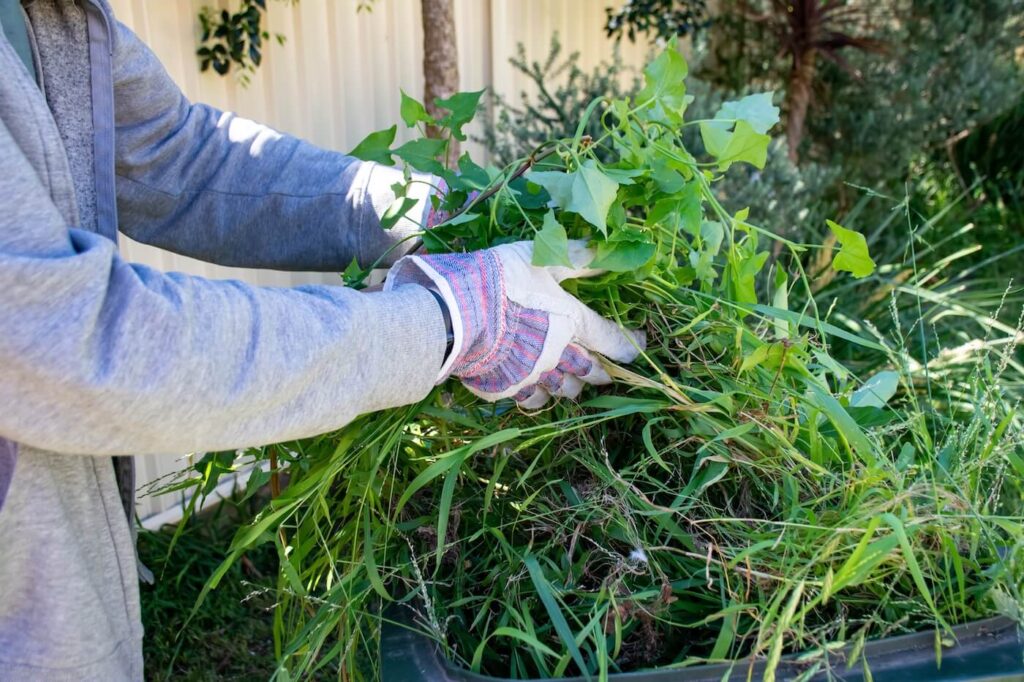
Green waste removal services collect and dispose of organic garden materials from residential and commercial properties. These specialised services transport garden debris to composting facilities or recycling centres, supporting sustainable waste management practices.
Standard items accepted by most green waste removal services include:
Branches and twigs – Small to medium-sized cuttings from pruning and trimming
Leaves and foliage – Fallen autumn leaves, hedge trimmings, and plant clippings
Grass clippings – Lawn mowing waste and turf remnants
Garden plants – Dead flowers, weeds, and spent vegetable plants
Small soil amounts – Minimal quantities mixed with root balls or garden debris
Most providers focus on these typical green waste items as their core service. The organic nature of this garden debris makes it ideal for composting and mulching programmes. Many homeowners assume these services only handle basic yard waste, yet numerous companies have expanded their offerings beyond traditional garden materials.
The scope of what qualifies as acceptable green waste varies between providers. Some operate strict guidelines limiting collections to pure organic matter, while others embrace a broader interpretation. Understanding these variations helps you maximise the value of green waste removal near me services whilst ensuring proper disposal of various materials from your property.
1. Can Bulky Green Waste and Soil Be Included in My Green Waste Collection?
Yes, many green waste removal services accept bulky green waste and limited amounts of soil in garden waste collections. Most providers handle larger branches up to 15-20cm in diameter and tree trimmings that exceed the size of typical garden prunings, though exact specifications vary by company.
Tree limbs from storm damage, substantial hedge reductions, and thick woody stems from mature shrubs typically qualify as acceptable bulky items. Services often request that you cut larger pieces to manageable lengths—usually between 1-2 metres—to facilitate easier handling and processing at composting facilities.
Soil acceptance policies differ significantly between providers:
Small amounts of soil clinging to plant roots or mixed with grass clippings are generally acceptable
Loose soil from potted plants or minor garden bed adjustments may be included in moderate quantities
Large volumes of excavated soil typically require separate disposal arrangements
Contaminated soil or earth mixed with construction debris is usually excluded
Some services specify a maximum soil-to-organic-waste ratio, often around 10-20% of the total load. This ensures the material remains suitable for commercial composting processes, where excessive soil can interfere with decomposition rates and final compost quality.
Professional green waste collectors may charge additional fees for particularly heavy loads containing significant soil content, as weight affects transport costs. Checking your local provider’s guidelines prevents unexpected charges and ensures your bulky green waste meets acceptance criteria.
2. Are Cardboard and Packaging Materials from Gardening Supplies Accepted in Green Waste Collections?
Yes, many green waste removal services accept cardboard and packaging materials directly linked to gardening purchases. When you buy compost, seeds, plant pots, or fertiliser, the boxes and paper packaging can often go straight into your green waste collection rather than general recycling bins.
Cardboard disposal through green waste services makes practical sense. The materials break down naturally during composting, adding carbon-rich “brown” matter that balances nitrogen-heavy grass clippings and food scraps. Most services welcome clean, uncoated cardboard boxes, paper bags from garden centres, and even egg cartons used for seed starting.
The key is ensuring the materials relate to garden activities. Cardboard plant trays, soil bag packaging, and boxes from outdoor furniture purchases typically qualify. Some providers ask you to remove plastic windows from seed packets or tear off sticky tape, but plain gardening packaging waste generally needs minimal preparation.
Recycling these materials through green waste services offers environmental advantages:
Reduces landfill contributions from bulky packaging
Creates nutrient-rich compost for local gardens and parks
Eliminates the need to separate garden-related cardboard into different waste streams
Supports circular economy principles by returning organic materials to soil
Check with your specific provider about size restrictions. Large cardboard boxes may need breaking down into smaller pieces, whilst some services request you remove any plastic coating or synthetic labels. Pizza boxes and food-contaminated cardboard usually belong in general waste, but clean cardboard from your latest garden centre haul fits perfectly within green waste parameters.
3. Do Green Waste Services Handle Compostable Food Scraps Alongside Garden Waste?
Yes, many green waste removal providers accept compostable food scraps when they offer organic waste composting services. These services recognise that kitchen waste shares the same decomposition properties as garden materials, making them ideal candidates for combined collection and processing.
The acceptance of food scraps varies by provider and location. Some services explicitly include kitchen waste in their standard green waste collection, while others require separate bins or specific arrangements. Providers who accept food waste typically process it alongside garden debris in commercial composting facilities, where controlled conditions ensure efficient breakdown of all organic materials.
What Types of Food Scraps Qualify?
Accepted items generally include:
Fruit and vegetable peelings
Coffee grounds and tea bags
Eggshells
Bread and grains
Plate scrapings (plant-based)
Most services exclude meat, dairy, and oily foods due to pest attraction and slower decomposition rates. These restrictions help maintain the quality of the finished compost and prevent odour issues during collection and processing.
Benefits of Combined Organic Waste Collection
Combining food scraps with garden waste reduces landfill contributions significantly. When organic materials decompose in landfills without oxygen, they produce methane—a greenhouse gas 25 times more potent than carbon dioxide. Organic waste composting through professional services diverts these materials to aerobic facilities where they transform into nutrient-rich soil amendments.
The convenience factor matters too. Households can dispose of garden clippings and kitchen scraps in one collection, streamlining waste management routines. This integrated approach encourages more residents to participate in composting programmes, even those without space for home compost bins.
Some providers supply specialised bins with ventilation and odour-control features specifically designed for food waste. These bins often come with compostable liners, making the collection process more hygienic and user-friendly for households managing both garden and kitchen organic waste.
4. Is There a Place for Biodegradable Gardening Materials in My Green Waste Collection?
Yes, many green waste removal services accept biodegradable materials used in gardening, though acceptance varies between providers. These eco-friendly products break down naturally, making them suitable for composting alongside traditional garden waste.
Biodegradable plant pots represent one of the most commonly accepted items in green waste collections. Made from materials like coconut coir, rice husks, or compressed peat, these pots decompose directly in soil or compost bins. When you’ve finished transplanting seedlings, you can toss these containers straight into your green waste bin rather than separating them as plastic waste.
Natural fibre mulch bags and sacks also qualify for biodegradable materials disposal through green waste services. Jute, hessian, and other plant-based fabrics used for packaging mulch, compost, or soil amendments can join your garden clippings. These materials add valuable carbon content to compost systems.
Bamboo plant stakes and supports break down over time and are typically welcomed in green waste collections. Unlike plastic or metal alternatives, bamboo stakes that have weathered or snapped can be disposed of with your branches and prunings.
Biodegradable seed trays and propagation materials made from wood pulp or similar organic compounds fit within most green waste parameters. Check whether your specific service accepts these items, as some providers prefer they be broken into smaller pieces first.
Paper-based weed control fabrics and biodegradable tree guards can often be included in your collection. These gardening products disposal options help reduce landfill waste whilst supporting sustainable gardening practices.
Contact your local green waste removal provider to confirm which specific biodegradable materials they accept, as capabilities differ based on their processing facilities and composting methods.
5. Can I Include Household Rubbish Related to Garden Upkeep in My Green Waste Collection?
Yes, many green waste removal services accept specific household rubbish directly connected to garden maintenance and seasonal clean-up waste. Items like old garden gloves, worn-out hessian sacks, natural fibre twine, and bamboo stakes often qualify when they’re part of your garden upkeep routine.
Acceptable household items typically include:
Broken terracotta pots and ceramic planters
Natural fibre doormats used in garden sheds
Worn cotton or hessian garden aprons
Wooden garden markers and plant labels
Paper seed packets and instruction cards
Natural bristle brushes used for garden cleaning
The key distinction lies in the material composition and direct garden connection. Items must be made from natural, biodegradable materials rather than synthetic alternatives. A cotton gardening glove qualifies for household rubbish disposal through green waste services, whilst rubber or plastic gloves require standard waste collection.
Seasonal clean-up waste presents additional opportunities. Spring and autumn garden clearances often generate items like old wicker baskets, wooden tool handles, and natural fabric plant covers. These materials decompose alongside organic garden waste when processed correctly.
Items requiring verification with your provider:
Wooden garden furniture showing rot or damage
Natural fibre outdoor cushion covers
Jute or sisal garden edging materials
Cork pot feet and plant saucers
Service providers establish clear guidelines about what constitutes garden-related household rubbish disposal. Some accept items only during scheduled seasonal collections, whilst others include them year-round. The material must break down naturally without contaminating the composting process. Painted or treated wood, for instance, typically requires separate disposal despite its garden origins.
6. Are Construction or Landscaping Debris Also Covered by Green Waste Removal Services?
Yes, many green waste removal services extend their coverage to include construction green waste and landscaping debris removal from renovation projects. These services recognise that garden transformations and property improvements generate organic waste that fits within their collection parameters.
Landscaping debris removal typically encompasses soil excavated during garden redesigns, turf removed when installing new features, and plant material cleared during property renovations. When you’re reshaping garden beds, installing retaining walls, or creating new pathways, the displaced earth and vegetation can often go straight into your green waste collection rather than requiring separate skip hire.
Some providers accept these specific construction-related items:
Excess topsoil and subsoil from landscaping projects
Sod and turf strips removed during garden renovations
Plant material cleared from building sites
Tree roots and stumps from land clearing (size restrictions apply)
Mulch and organic ground cover replaced during upgrades
The key distinction lies in the organic nature of the waste. Services handling construction green waste focus on natural materials rather than building rubble, concrete, or treated timber. A garden renovation that involves removing established hedges, clearing overgrown areas, or excavating planting zones generates substantial organic debris that qualifies for green waste collection.
Many companies offering these expanded services provide volume-based pricing, making it cost-effective for homeowners undertaking significant landscaping projects. This approach proves particularly valuable when you’re managing multiple waste streams during renovations, allowing you to separate organic matter from general construction waste efficiently. The 8 Unexpected Items Covered by Green Waste Removal Near Me Services often include these renovation byproducts, provided they meet the service’s specifications for organic content and contamination levels.
How Do Pricing and Service Features Support These Expanded Offerings in Green Waste Removal Services?
Fixed pricing green waste removal operates on transparent volume-based models that make budgeting straightforward. Most providers charge per cubic metre of waste collected, with rates typically ranging from £50 to £150 depending on your location and the specific materials involved. This predictable pricing structure allows you to calculate costs before booking, eliminating surprise fees.
Volume-based pricing accommodates the diverse range of items these services now accept. A single cubic metre might contain a mixture of tree branches, soil from landscaping work, biodegradable pots, and cardboard packaging from garden supplies. The all-inclusive nature of these quotes usually covers:
Collection and loading by trained staff
Transportation to appropriate disposal or recycling facilities
Tipping fees at waste management centres
Sorting of materials for composting or recycling
Same-day service options have become increasingly common among green waste removal providers. This rapid response capability proves particularly valuable during seasonal garden clearances or after storm damage when branches and debris accumulate quickly. Many companies offer booking slots within 2-4 hours of initial contact, provided you schedule during business hours.
The speed of service doesn’t compromise the range of accepted materials. Providers equipped for same-day collection maintain the same standards for accepting unexpected items like construction debris or compostable food waste. Some companies operate seven days a week, extending availability beyond traditional weekday schedules.
Flexible service tiers cater to different project scales. Smaller residential jobs might require only 1-2 cubic metres of capacity, whilst major landscaping renovations could need 5-10 cubic metres or multiple collections. Providers often offer discounts for larger volumes or regular scheduled pickups, making comprehensive waste management more economical for ongoing garden maintenance.
Is E-Waste or Hard Waste Collection Sometimes Included in Green Waste Removal Services?
Can my local council collect electronics and bulky items during green waste pickups?
Some local councils coordinate e-waste collection and hard waste removal alongside their regular green waste services, though these typically operate as separate scheduled events. Many municipalities organise quarterly or biannual clean-up days where residents can place electronics, furniture, and garden waste curbside for simultaneous collection.
What types of items qualify for combined collection events?
During these coordinated pickups, councils accept a broader range of materials:
Old televisions, computers, and small appliances
Broken garden furniture and outdoor equipment
Mattresses and household furniture
Metal items such as BBQ grills or garden tools
Green waste including branches, leaves, and plant material
The scheduling differs significantly from standard green waste services. Whilst garden waste might be collected fortnightly, e-waste collection events often require advance booking or occur on specific dates announced through council communications.
How do private green waste removal companies handle non-garden items?
Private operators occasionally offer bundled services that include both green waste and hard rubbish removal. These companies recognise that garden renovations often generate mixed waste streams—old pavers alongside plant material, or broken garden sheds mixed with tree trimmings.
Some providers charge separate rates for hard waste removal even when collected during the same visit. A typical arrangement might include standard green waste pricing plus an additional fee calculated by item count or weight for non-organic materials.
Are there restrictions on combining different waste types?
Most services require physical separation of waste categories. Green waste must be placed in designated bins or piles, whilst electronics and hard rubbish need separate placement. This separation ensures proper processing—organic material heads to composting facilities, metals to recycling centres, and electronics to specialised e-waste processors.
Contamination penalties apply when residents mix incompatible materials. Placing electronics inside green waste bins can result in collection refusal or additional sorting fees.
Conclusion
Sustainable garden waste management is about more than just getting rid of leaves and grass cuttings. The 8 Unexpected Items Covered by Green Waste Removal Near Me Services show how modern providers have adapted to meet wider environmental needs while also helping homeowners recycle.
Get in touch with your local green waste removal provider to find out what materials they accept. Many residents miss out on the chance to dispose of items responsibly simply because they don’t know about the expanded services available. Your provider can tell you if they accept:
Biodegradable gardening products and packaging
Compostable kitchen scraps along with garden waste
Small amounts of soil from landscaping projects
Cardboard from gardening supply deliveries
Larger tree trimmings and bulky organic materials
By making the most of these services, you can reduce landfill waste and support composting initiatives in your community. Find out if your local council has combined collection days for e-waste, hard waste, and green waste to make your disposal efforts more efficient.
When booking your next collection, ask for detailed information about pricing based on volume and whether same-day service is available. Knowing what types of waste are acceptable will help you plan your garden clean-ups better and contribute to environmental sustainability goals.
Make use of the comprehensive waste management solutions in your area—you might be surprised by how much more your green waste service can take.
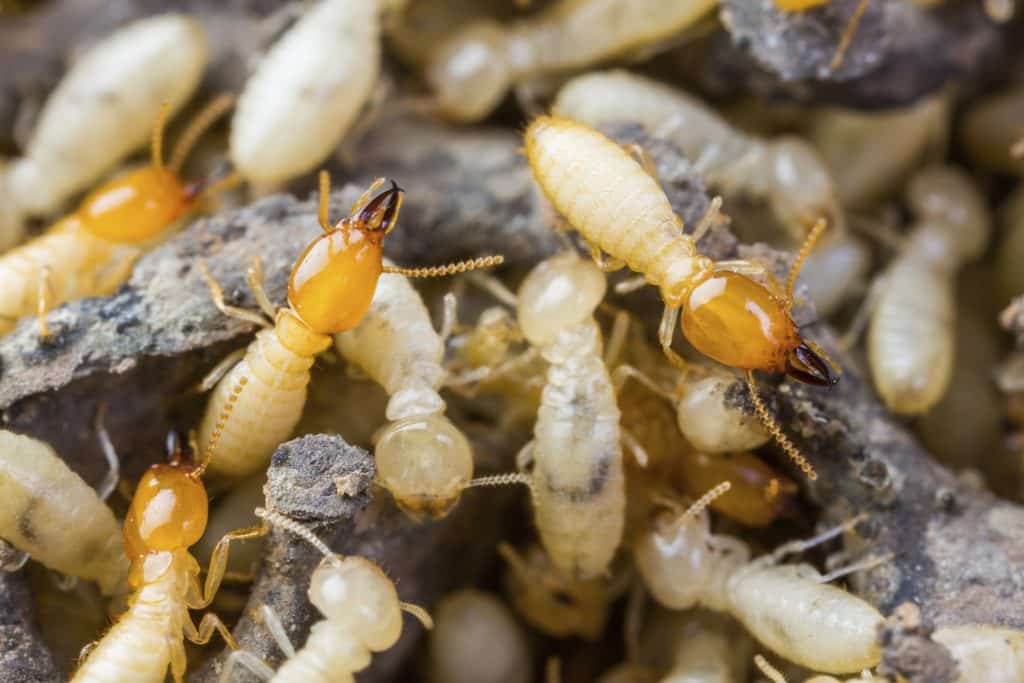
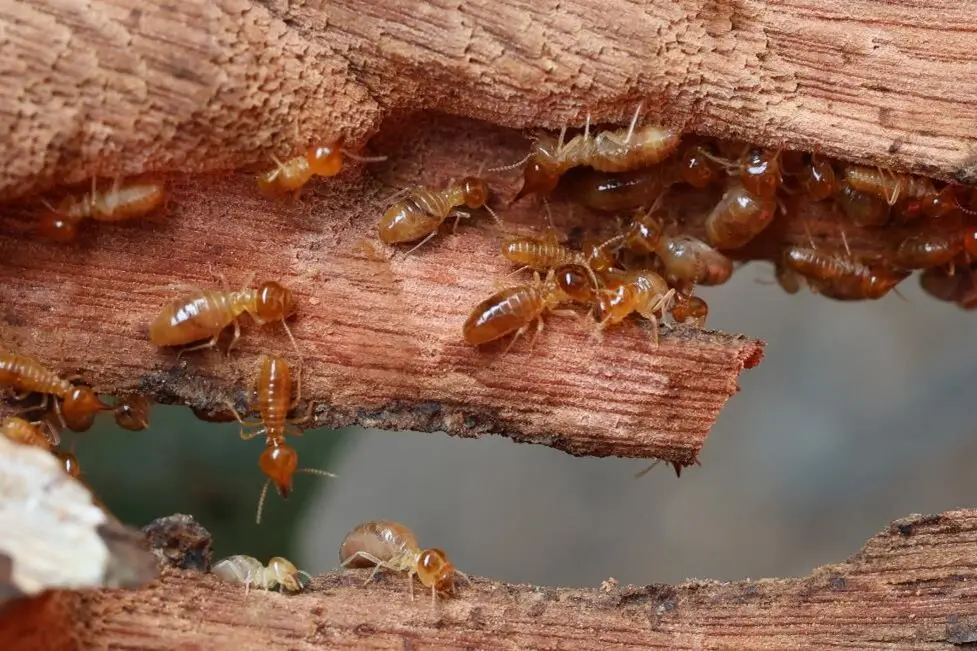
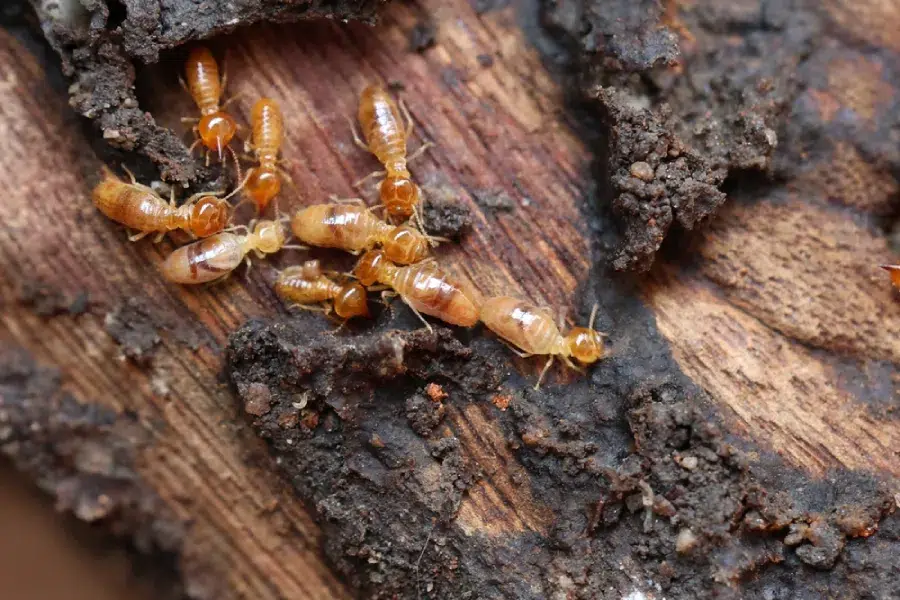
If you suspect that termites are actively infesting your home, it’s crucial to take immediate action. These pests can cause significant damage to wooden structures without any visible signs of their presence.
In Australia, the risk of experiencing a termite attack is high, with around 1 in 3 homes being affected at some point. What’s even more concerning is that these infestations can lead to more destruction than natural disasters like storms, fires, and floods combined. Unfortunately, most insurance policies do not cover termite damage, leaving homeowners responsible for the costs if they don’t act promptly. For effective protection, professional pest control termite treatment is essential.
As a homeowner dealing with an active termite infestation, you have several treatment options available. These include chemical barriers, baiting systems, and physical preventive measures. Each method targets specific aspects of the infestation and colony behavior. By understanding these various termitetreatment options, you can make informed decisions about how to best protect your property.
The key to effective pest control for homeowners is taking quick action. By intervening early on, you can prevent colonies from causing further damage and avoid expensive repairs down the line. It’s important to have a professional assessment done to determine which combination of treatments will work best for your particular situation.
What Are the Risks of Active Termite Activity for Homeowners?
Active termite infestations pose severe termite damage risks that threaten both the structural integrity and financial value of residential properties. These silent destroyers consume timber from the inside out, leaving walls, floors, and support beams hollow while maintaining an intact exterior surface that masks the devastation beneath.
The scale of the threat becomes clear through Australian statistics: approximately 1 in 3 homes will experience termite attacks during their lifetime. This widespread vulnerability makes termites more destructive than storms, fires, and floods combined when measured by total property damage costs.
The structural damage extends beyond visible timber elements. Termites infiltrate:
Load-bearing wall studs and ceiling joists
Wooden floor frames and subflooring
Door frames, window sills, and architraves
Roof trusses and eave structures
Even paper-based materials like drywall backing
Untreated infestations create cascading financial consequences. The property value impact manifests through mandatory disclosure requirements during sales, with many potential buyers withdrawing offers upon discovering termite history. Real estate transactions become complicated as lenders may refuse mortgages on properties with active or recent termite activity until comprehensive treatment and repairs are completed.
Insurance policies typically exclude termite damage from coverage, classifying it as preventable maintenance rather than an insurable event. Homeowners bear the full financial burden of repairs, which can reach tens of thousands of dollars depending on infestation severity and structural compromise.
How Can Homeowners Detect Active Termite Infestations Early?
Scheduling professional inspections at least once a year is the most reliable way to catch termite problems before they cause extensive damage. Licensed pest control technicians have specialized knowledge to spot subtle signs that untrained eyes usually miss. They examine vulnerable areas where termites commonly enter.
Homeowners can also look out for several visual warning signs between professional visits:
Mud tubes running along foundation walls or wooden beams
Hollow-sounding timber when tapped
Discarded wings near windowsills or door frames
Bubbling or peeling paint that looks like water damage
Small pinholes in drywall or plasterboard
Frass (termite droppings) appearing as fine sawdust piles
Thermal imaging technology, which has changed the game when it comes to detecting termites, is one of the advanced tools used by professionals. This non-invasive tool identifies moisture patterns and heat signatures associated with active colonies without causing any damage. Infrared cameras are used to detect the metabolic heat generated by large termite populations, allowing us to pinpoint exactly where the infestation is located. More about this innovative approach can be found in this comprehensive guide on thermal imaging for home inspections.
Acoustic sensors are another useful tool that work alongside visual and thermal inspections. These sensors can pick up the sounds of termites chewing through timber. By using these advanced termite detection methods, pest control professionals can create accurate maps of colony activity, determine how severe the infestation is, and decide on the best treatment approaches before any structural damage occurs.
What Chemical Treatment Options Are Available to Combat Termites?
Chemical termiticides create protective zones around properties by forming barriers that kill termites on contact or through ingestion. These treatments remain the most widely used Pest Control Termite Treatment Options for Homeowners Facing Active Activity, offering fast-acting results when colonies threaten structural integrity.
1. Foundation Treatment
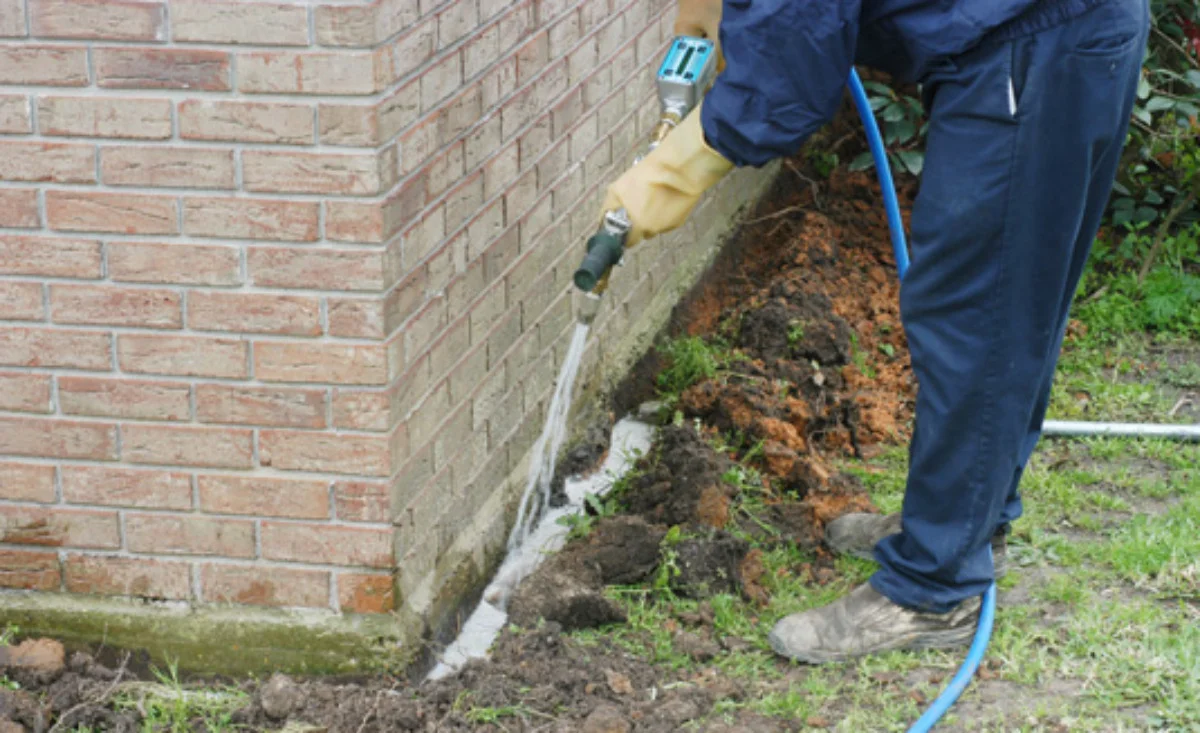
Foundation treatment involves applying liquid termiticides to the soil surrounding a home’s perimeter, creating a continuous chemical barrier that prevents termites from entering. Pest control professionals inject these solutions into the ground at regular intervals, ensuring complete coverage around concrete slabs, footings, and penetration points where pipes and cables enter the building.
2. Wood Treatment
Wood treatment targets infested timber directly, with technicians drilling into affected areas to inject termiticides deep into galleries where termites feed. This method delivers immediate elimination of active colonies within treated structures, stopping damage progression within days.
The benefits include rapid colony knockdown and long-lasting protection lasting 5-8 years when applied correctly. Chemical barriers work particularly well against Australia’s most destructive species, including Coptotermes acinaciformis.
Limitations exist with chemical termiticides requiring professional application to ensure AS3660.2 compliance and proper dosage. Treated zones can be disrupted by landscaping, renovations, or soil movement, creating gaps that termites exploit. Some homeowners prefer alternatives due to concerns about chemical exposure near living spaces, though modern formulations significantly reduce environmental impact compared to older products.
How Do Baiting Systems Work as a Termite Control Method?
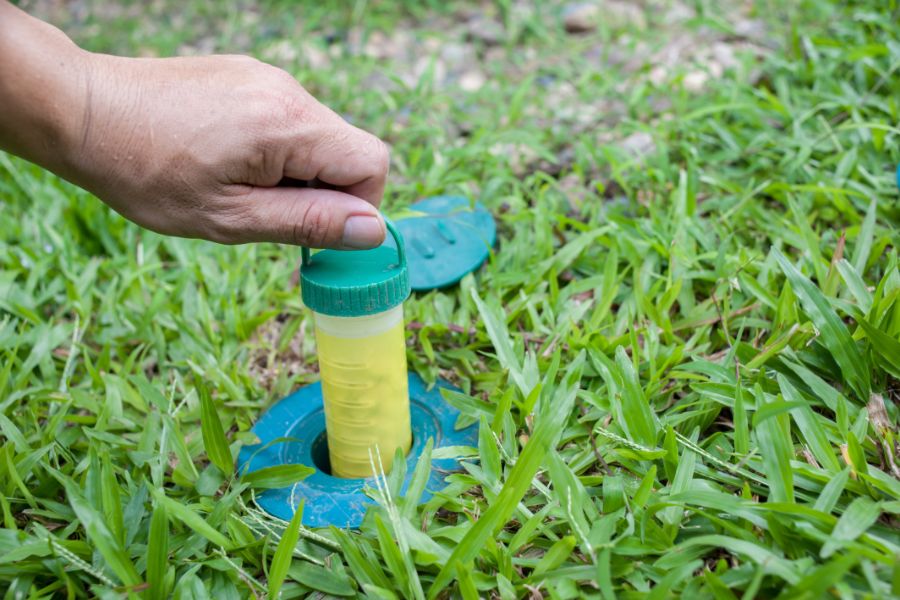
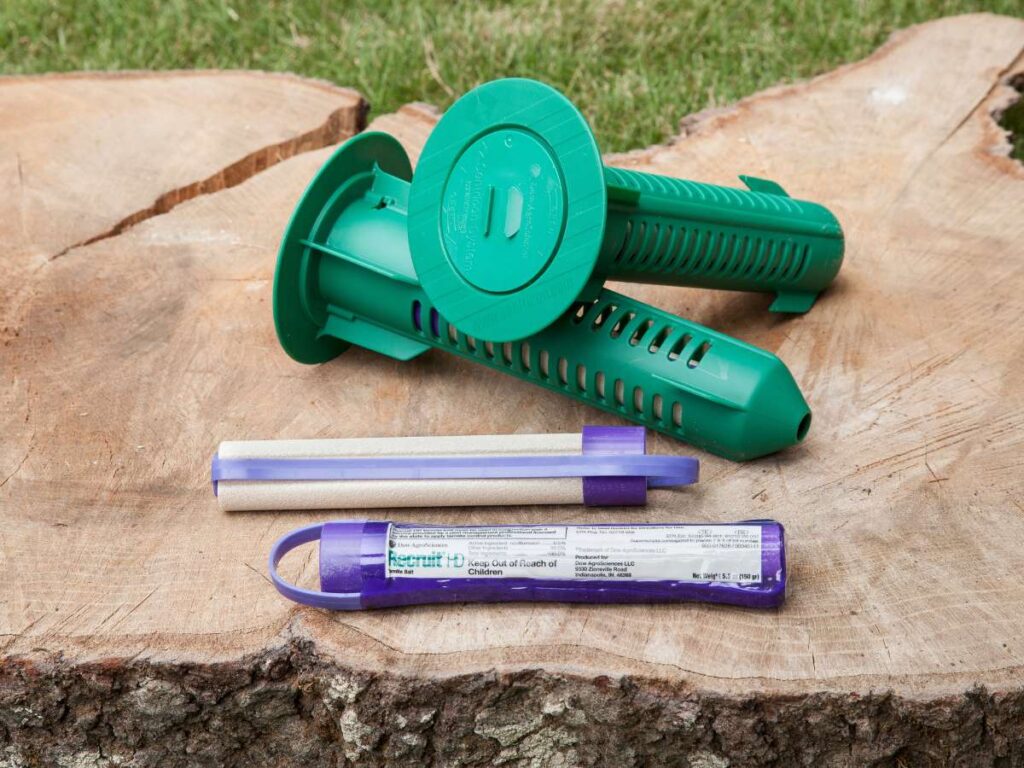
Termite baiting systems establish monitoring stations around a property’s perimeter that attract foraging termites to cellulose-based food sources laced with slow-acting toxins. Pest control professionals install these stations at strategic intervals, typically every 3-4 meters, where termites are likely to encounter them during their search for timber.
The process begins when worker termites discover the bait and carry it back to their nest, sharing it with colony members through feeding behaviors. This creates a cascading effect throughout the termite population, including the queen and reproductive members essential for colony elimination. The gradual nature of this method—often taking 8-12 weeks—ensures termites don’t detect the threat and abandon the bait stations.
Eco-friendly termite control through baiting systems offers distinct advantages over traditional chemical barriers:
Targeted application: Only affects termites that consume the bait, minimizing environmental contamination
Reduced chemical volume: Uses significantly less toxic material compared to soil treatments
Safe for pets and children: Enclosed stations prevent accidental exposure to household members
Monitoring capability: Regular station checks provide ongoing intelligence about termite activity patterns
The baiting approach proves particularly effective when combined with professional inspections, as technicians can adjust station placement based on termite movement patterns and environmental conditions specific to your property’s risk profile.
What Role Do Physical Barriers Play in Termite Prevention?
Physical termite barriers create a permanent defensive line between soil-dwelling termites and your home’s timber structures. These barriers work by forcing termites into visible locations where they can be detected during inspections, rather than allowing concealed entry through cracks in concrete slabs or foundations.
Types of Physical Barriers
Two main types protect homes:
Stainless steel mesh barriers – Fine-gauge mesh installed beneath and around building perimeters during construction, with holes too small for termites to penetrate
Graded stone barriers – Layers of specially sized crushed rock particles that termites cannot tunnel through or move aside
Importance of Physical Barriers in Termite Prevention
The prevention of subterranean termites heavily relies on these systems, especially in high-risk regions. Greater Sydney and Brisbane experience particularly aggressive termite species like Coptotermes acinaciformis, which build massive underground colonies and travel through soil to reach food sources. The warm, humid climate in these areas creates ideal conditions for year-round termite activity. In such scenarios, implementing effective physical barriers becomes crucial.
Effectiveness of Physical Barriers
The most effective building construction protection occurs when barriers are installed during the initial construction phase, integrated directly into the foundation design. While retrofitting existing homes remains possible through perimeter excavation, this process costs more and requires careful installation around existing structures. However, it’s important to note that physical barriers last decades without degradation, unlike chemical treatments which require reapplication every 5-8 years. For more insights into the longevity and effectiveness of these barriers, refer to this comprehensive study on the subject.
In conclusion, understanding the role and types of physical barriers can significantly enhance your strategy for termite prevention. By creating an impenetrable barrier between your home and potential termite threats, you can safeguard your property effectively. You may visit https://jandjacres.net/pest-and-termite-control-solutions-designed-for-sydneys-climate/ to learn about pest and termite control solutions designed for sydney’s climate
When Should Homeowners Consider Emergency Termite Treatments?
Homeowners should consider emergency termite treatments when they find active colonies causing visible damage or when termites swarm inside their property. Signs of an urgent need for pest control action include live termites coming out of walls, mud tubes being built, or timber that sounds hollow.
Infestation Containment
The process of containing the infestation begins within 24-48 hours of discovery. Pest control professionals use direct chemical treatments on active termite galleries, creating immediate kill zones that stop further spread. Technicians find entry points and seal them while treating all accessible timber in the affected areas. This quick response limits the colony’s ability to move deeper into the structure.
The steps involved in infestation containment are:
Immediate inspection of all accessible areas to determine the extent of the infestation
Application of fast-acting termiticides to active termite workings
Installation of monitoring stations around the property perimeter
Documentation of affected areas for insurance and repair planning
Structural Damage Assessment
After the initial treatment, a licensed building inspector will assess any damage caused by termites within one week. They will evaluate compromised timber, load-bearing elements, and hidden cavities using moisture meters and probing tools. This assessment will help determine whether repairs require simple timber replacement or extensive structural reinforcement.
Repair Planning
Repair planning will be coordinated with pest control schedules to ensure that all termite activity has been eliminated before contractors begin restoration work. Homeowners will receive detailed reports outlining the severity of the damage, estimated repair costs, and timelines for making the property safe and livable again.
Are There Eco-Friendly Termite Treatment Alternatives Available?
Eco-friendly pest control methods now deliver powerful termite protection without compromising environmental health. Modern sustainable termite treatments target colonies effectively while minimizing chemical exposure to soil, waterways, and surrounding ecosystems.
Baiting Systems
Baiting systems represent one of the most environmentally conscious approaches available. These stations use minimal amounts of active ingredients that termites carry back to their colonies, eliminating entire populations with significantly less chemical usage than traditional barrier treatments. The targeted nature means non-target organisms remain largely unaffected.
Heat Treatment
Heat treatment offers a completely chemical-free alternative for localized infestations. Pest control professionals use specialized equipment to raise temperatures in affected areas to levels lethal for termites (typically 50-60°C), destroying colonies without introducing any substances into the environment.
Botanical-Based Termiticides
Botanical-based termiticides derived from natural sources like orange oil (d-limonene) and neem oil provide another green option. These plant-extracted compounds break down more rapidly in the environment compared to synthetic chemicals while still delivering effective termite control.
Physical Barriers
Physical barriers made from stainless steel mesh or graded stone particles create long-lasting protection without any chemical application. These mechanical solutions prevent termite entry through purely physical means, making them ideal for homeowners prioritizing chemical-free approaches.
Many accredited pest control services now integrate these sustainable methods into comprehensive management plans, balancing environmental responsibility with proven termite elimination results.
How Do Integrated Termite Management Plans Benefit Homeowners?
Integrated termite management delivers superior protection by combining multiple treatment methods rather than relying on a single approach. These tailored pest control strategies address the specific conditions of each property, considering factors like infestation severity, building construction, and regional termite species prevalence.
A comprehensive plan typically layers several defenses:
Chemical barriers around the foundation provide immediate protection against new termite entry
Baiting systems target existing colonies and prevent future establishment
Regular inspections monitor treatment effectiveness and detect any new activity
The customization proves particularly valuable in high-risk regions like Greater Sydney and Brisbane, where aggressive species such as Coptotermes acinaciformis require more intensive management. Properties in these areas benefit from year-round monitoring combined with preventative treatments adjusted for seasonal activity patterns.
This multi-layered approach reduces the likelihood of treatment failure. If termites bypass one defense mechanism, additional barriers remain in place to intercept them. The strategy also allows pest control professionals to adjust treatments based on ongoing monitoring results, ensuring resources target areas of highest risk.
Homeowners gain long-term cost savings through prevention rather than reactive treatments. Catching infestations early through scheduled inspections costs significantly less than repairing extensive structural damage from undetected colonies.
In addition to these ongoing management strategies, it’s also crucial to consider termite prevention approaches for new construction which can significantly reduce the risk of future infestations. Implementing pre-construction subterranean termite control measures can further enhance the effectiveness of an integrated termite management plan, providing homeowners with an additional layer of security against these destructive pests.
Why Is It Important to Use Accredited Pest Control Services?
Accredited pest control services guarantee treatments meet Australian Standard AS3660.2, which sets strict protocols for termite management effectiveness and safety. This compliance ensures technicians use approved methods, proper chemical application rates, and follow safety procedures that protect both occupants and the environment during treatment.
Non-accredited operators may cut corners with substandard products or improper application techniques that fail to eliminate colonies completely. AS3660.2 compliance requires:
Documented treatment records showing chemical types, concentrations, and application areas
Licensed technicians trained in current termite biology and control methods
Quality assurance processes including follow-up inspections to verify treatment success
Appropriate safety measures for chemical handling and disposal
Certified professionals also provide access to timber damage insurance on qualifying treatment plans. This coverage protects homeowners from repair costs if termites return within the warranty period, offering financial security that DIY treatments cannot match.
When evaluating pest control termite treatment options for homeowners facing active activity, accreditation serves as verification of expertise. Qualified services understand regional termite species behavior, particularly aggressive varieties like Coptotermes acinaciformis, and adjust treatment strategies accordingly. They also maintain current knowledge of emerging treatment technologies and product innovations that improve control outcomes.
Choosing accredited providers means receiving comprehensive documentation essential for property sales, insurance claims, and warranty activation should future termite issues arise.
What Should Buyers Know About Pre-Purchase Termite Inspections?
A pre-purchase termite inspection protects buyers from inheriting expensive structural problems that sellers may not disclose. Professional inspectors examine the property for active colonies, past damage, and conditions that attract termites before the sale finalizes.
Hidden termite problems prevention starts with understanding what inspectors evaluate during these assessments:
Active termite presence in walls, subfloors, roof spaces, and around foundations
Previous termite damage to structural timber that may compromise building integrity
Moisture issues from leaking pipes, poor drainage, or inadequate ventilation that create ideal termite habitats
Conducive conditions such as timber-to-ground contact, stored wood near buildings, or dense garden mulch against walls
Buyers who skip this inspection risk discovering infestations after settlement, facing repair bills ranging from thousands to tens of thousands of dollars. Properties with concealed termite damage often require extensive timber replacement, foundation repairs, and ongoing treatment plans.
The inspection report provides negotiating power—buyers can request repairs, price reductions, or mandatory treatments as sale conditions. Some properties with severe infestations may not qualify for standard home loans until termite issues are resolved.
Professional inspectors use thermal imaging cameras and moisture meters to detect activity behind walls and under floors where visual checks cannot reach. This technology reveals termite movement patterns and moisture accumulation that signals potential colonies nearby.
Conclusion
If you notice active termites in your home, it’s important to act quickly and strategically to protect your home’s structure and value. There are various pest control options available for homeowners dealing with active termite activity, including chemical barriers, baiting systems, physical defenses, and emergency interventions. Each of these methods has a specific role in providing comprehensive protection against termites.
Instead of relying on a single solution, it’s more effective to combine multiple approaches. Regular professional inspections are crucial for effective termite management as they can identify hidden colonies before they cause significant damage. These scheduled assessments, along with tailored treatment methods that consider your property’s risk factors and local termite species, create a strong long-term defense against termites.
Homeowners in high-risk areas like Greater Sydney and Brisbane can benefit the most from integrated management plans that adapt to seasonal changes and environmental conditions. By engaging accredited pest control services, you can ensure that treatments meet industry standards while also potentially qualifying for timber damage insurance coverage.
To protect your home from termites, it’s essential to stay committed to inspection schedules, preventive measures, and prompt action when you detect any activity. This proactive approach will help safeguard your property investment and give you peace of mind.
Why Sydney’s Climate is Perfect for Pests and Termites
Sydney’s humid subtropical climate creates a year-round breeding ground for pests and termites. The combination of warm temperatures, moisture, and mild seasonal variations provides optimal survival conditions for numerous pest species.
Factors Contributing to Pest Infestation in Sydney
Several interconnected environmental factors contribute to the thriving population of Pest and Termite Control in Sydney:
Warm summers: Temperatures regularly exceeding 26°C accelerate pest reproduction cycles.
Mild winters: Rarely dropping below 8°C, mild winters prevent seasonal die-offs that occur in colder climates.
Irregular rainfall patterns: These create moisture pockets in walls, foundations, and soil.
Periodic heatwaves: During heatwaves, pests seek refuge indoors where they can find water and cooler shelter.
Coastal temperature moderation: This helps maintain consistent humidity levels throughout the year.
Common Pests Found in Sydney
The above-mentioned factors create a suitable environment for various pests to thrive in Sydney:
Ants: They establish massive colonies in gardens and find their way into homes through tiny cracks.
Cockroaches: These insects multiply rapidly in kitchens and bathrooms where warmth and moisture are present.
Spiders: Including the dangerous funnel-web and redback species, spiders flourish in the city’s gardens and storage areas.
Rodents: Seeking shelter during extreme temperatures, rodents make their homes in roof cavities and wall voids.
How Sydney’s Climate Affects Termite Activity
The climate’s persistent humidity also leads to increased termite activity in Sydney. Subterranean termites rely on moisture for survival, and the average humidity levels of 60-70% in Sydney provide ideal conditions for their colonies to expand. Dampwood termites target timber that has been damaged by moisture, while drywood species attack sound wood in well-ventilated areas.
The Impact of Humidity on Termite Behavior
There is a direct link between humidity levels and termite behavior:
Moisture in the soil allows termites to build mud tubes that connect their underground colonies to timber food sources.
Condensation inside wall cavities creates hidden areas with moisture where termites can feed undetected for long periods.
Issues such as leaking pipes, poor drainage systems, and inadequate ventilation worsen the problem by keeping moisture levels high.
How Geography Plays a Role
Sydney’s geography further amplifies the effects of its climate on pests and termites:
Properties situated near waterways experience higher exposure to humidity.
Homes with established gardens provide termites with cellulose-rich mulch and decaying wood as food sources.
The city’s sandstone foundations retain moisture, creating pathways for termite infiltration into buildings.
Common Pests Found in Sydney Homes and Businesses
Sydney properties are home to various pest species that have adapted to the city’s humid subtropical conditions. Here are some of the most common pests that Sydney residents and business owners encounter:
1. Ants
Two types of ants that frequently invade homes in Sydney are black house ants and Argentine ants. These ants are attracted to food sources and moisture within houses, making kitchens and bathrooms prime targets. They establish large colonies consisting of thousands of individuals, which makes it difficult to completely eliminate them without professional help.
2. Cockroaches
Cockroaches are another major pest problem in Sydney. Homeowners often struggle with these insects throughout the year. German cockroaches prefer warm, humid indoor spaces such as kitchens and bathrooms, while American and Australian cockroaches typically live outdoors but can move inside when necessary. These pests reproduce quickly, with a single female German cockroach capable of producing up to 400 offspring during her lifetime.
3. Spiders
Sydney is also home to various spider species, some of which can be dangerous and require immediate attention. Funnel-web spiders, particularly the Sydney funnel-web, pose serious health risks due to their venomous bites. Redback spiders commonly build nests in sheltered outdoor areas like garden sheds, letterboxes, and underneath outdoor furniture. Both spider species thrive in Sydney’s climate and need specialized removal methods.
4. Rodents
Infestations involving rats and mice can cause significant damage to properties as these rodents gnaw on electrical wiring, insulation, and structural materials. It’s important to address rodent problems promptly to prevent further destruction.
5. Bed Bugs
Bed bugs have made a comeback in Sydney homes, hotels, and accommodation facilities. These pests feed on human blood during the night and leave itchy welts behind as evidence of their bites.
6. Wasps and Bees
Wasps and bees often build nests in roof cavities, wall voids, or garden areas. Their presence can pose stinging hazards to residents if the nests are disturbed.
7. Flies
Flies can be a nuisance in both residential and commercial settings. They have the ability to transfer pathogens from waste materials onto food surfaces, potentially leading to contamination.
Commercial Pest Challenges
Certain industries face intensified pest challenges where maintaining hygiene standards and ensuring customer safety is critical.
Hospitality venues such as restaurants, cafes, and hotels must consistently uphold pest-free environments since even a single sighting can harm reputations or result in health department violations.
Healthcare facilities need strict pest control protocols in place to protect vulnerable patients from disease transmission.
Health Risks Associated with Pests
The risks posed by pests extend beyond property damage or discomfort caused by their presence.
Cockroaches carry bacteria responsible for salmonella food poisoning; additionally their droppings/shed skin may trigger asthma attacks/allergic reactions.
Rodent droppings contaminate surfaces used for food preparation/storage leading spread diseases including leptospirosis.
Flies transferring pathogens from waste onto food items could potentially cause illnesses when consumed by unsuspecting individuals.
How Are Pest Inspections Conducted to Suit Sydney’s Environment?
Pest inspections professionals in Sydney conduct thorough assessments that take into account the city’s humid subtropical conditions. They focus on areas prone to moisture where termites and other pests usually establish colonies. These inspections involve examining subfloors, roof voids, wall cavities, and outdoor timber structures where Sydney’s humidity levels create ideal breeding grounds.
Using Technology for Detection
Licensed technicians use thermal imaging pest control cameras to identify temperature differences behind walls and beneath floors that indicate termite activity. These infrared devices can detect the heat emitted by active termite colonies without the need for invasive drilling or causing any structural damage. This technology is especially useful in older homes in Sydney with weatherboard construction and properties located near bushland where termite pressure remains constant. You may visit https://jandjacres.net/pest-control-termite-treatment-options-for-homeowners-facing-active-activity/ to learn about pest control termite treatment options for homeowners facing active activity
Moisture meters are used alongside thermal imaging to measure humidity levels in timber and building materials. The irregular rainfall patterns in Sydney create areas of dampness that attract subterranean termites, and these devices help pinpoint the exact locations where moisture accumulation occurs. Technicians then map these readings to identify vulnerable areas that require immediate attention or preventative treatment.
Expanding Detection Methods
Termite detection tools go beyond visual assessments and include acoustic sensors that can pick up the sounds of termites chewing through timber. In multi-story buildings and heritage properties in Sydney, these listening devices are able to detect infestations in hard-to-reach spaces where traditional inspection methods may not be effective.
Adapting Inspection Schedules
Regular inspection schedules are adjusted based on Sydney’s seasonal pest patterns, with increased frequency during the warmer months when termite activity is at its highest. Properties located near water sources, bushland, or with a previous history of termite issues receive quarterly assessments, while standard residential properties benefit from annual professional inspections.
Preventing Costly Repairs
Early detection through systematic inspections helps prevent minor pest problems from turning into expensive structural repairs. In Sydney’s warm climate, a single termite colony can consume several kilograms of timber each week, making it crucial to identify them in a timely manner for the protection of properties. Digital documentation during inspections creates baseline records that track changes over time and inform targeted treatment strategies.
What Treatment Methods Are Effective Against Pests in Sydney’s Climate?
Pest treatment Sydney providers use specific methods that target the unique behaviors and weaknesses of local pest species. The humid subtropical conditions require treatments that stay effective despite moisture, temperature changes, and the constant activity of many pests throughout the year.
Termite Colony Eradication
Termite treatment methods focus on completely eliminating the colony instead of just controlling the surface level. Baiting systems attract termites to eat treated materials, which workers then bring back to the colony, spreading the treatment throughout the entire population. Chemical barrier treatments create protective zones around structures, stopping termites from getting into buildings. Dusting techniques apply fine particles directly into termite galleries, ensuring the substance spreads through physical contact as termites move through their tunnels.
Low-Toxicity Solutions for Safe Environments
Modern pest and termite control solutions designed for Sydney’s climate prioritize safety without compromising effectiveness. Licensed technicians use low-toxicity products that pose minimal risk to pets and children while remaining potent against target pests. These formulations break down more quickly in the environment compared to traditional chemicals, reducing long-term exposure risks. Strategic application methods ensure products reach pest hiding areas while limiting contact with living spaces.
Eco-Friendly Approaches to Pest Management
Eco-friendly pest control goes beyond choosing environmentally friendly chemicals. It also involves making changes to the environment. Non-toxic fogging is used to address mould problems that attract moisture-loving pests like silverfish and cockroaches. Sub-floor ventilation systems are implemented to lower humidity levels beneath homes, creating unfriendly conditions for termites and other pests that thrive in damp environments. These systems improve air circulation, preventing moisture buildup that supports pest populations. Furthermore, adopting environmentally-friendly pest control methods can contribute significantly towards sustainable living.
Species-Specific Treatment Strategies
Different pest species need customized approaches based on their biology and behavior. German cockroaches respond well to gel baiting in kitchen areas, while Australian cockroaches require perimeter treatments around outdoor entry points. Funnel-web spider treatments focus on applying solutions at ground level around gardens and foundations, whereas redback spider control targets sheltered areas such as sheds and outdoor furniture.
How Do Pest Control Providers Balance Effectiveness with Environmental Responsibility?
Eco-friendly pest control Sydney providers prioritize environmental stewardship without compromising treatment efficacy. These companies implement targeted strategies that eliminate pest populations while protecting local ecosystems, native wildlife, and the health of Sydney residents.
Sustainable Pest Management
Sustainable pest management begins with chemical selection. Licensed technicians choose products with minimal environmental persistence, opting for formulations that break down rapidly in Sydney’s climate. These treatments target specific pest species rather than broad-spectrum chemicals that harm beneficial insects like native bees and pollinators. Application methods focus on precision placement in pest harborage areas, reducing the volume of chemicals introduced into the environment.
Modern Monitoring Technologies
Modern monitoring technologies represent a significant advancement in green pest control practices:
Digital rodent monitoring systems track pest activity through sensors and alerts rather than toxic baits
Thermal imaging equipment identifies pest colonies without invasive chemical testing
Moisture detection tools prevent termite infestations by addressing environmental conditions instead of relying solely on chemical barriers
Preventative Approaches
Sub-floor ventilation installations exemplify the preventative approach central to environmental responsibility. By improving airflow beneath homes, these systems naturally discourage pest establishment by eliminating the damp conditions that attract termites, cockroaches, and mould growth. This mechanical solution reduces ongoing chemical dependency.
Integrated Pest Management (IPM) protocols guide service delivery across Sydney. This methodology emphasizes:
Physical exclusion techniques like sealing entry points
Habitat modification to remove food and water sources
Biological controls that leverage natural pest predators
Chemical treatments as a last resort with minimal application
Certification Programs
Certification programs ensure pest control professionals maintain current knowledge of environmentally responsible practices. Regular training covers emerging green technologies, updated safety protocols, and alternative treatment methods that align with Sydney’s environmental protection standards. This commitment to education translates directly into service quality for residential and commercial clients seeking sustainable solutions.
What Are the Differences Between Residential and Commercial Pest Control Solutions in Sydney?
Residential Pest Control Solutions
Residential pest control Sydney services focus on protecting homes from common invaders through customized treatment plans. These plans typically address black house ants, Argentine ants, German and Australian cockroaches, funnel-web spiders, redback spiders, rats, mice, bed bugs, and wasps. Homeowners receive flexible scheduling options with quarterly or bi-annual maintenance visits to ensure continuous protection against seasonal pest fluctuations.
Treatment Approaches
Treatment approaches for residential properties prioritize family safety, utilizing low-toxicity products that pose minimal risk to children and pets. Technicians conduct thorough interior and exterior inspections, treating entry points, wall cavities, roof voids, and garden areas where pests commonly nest. Many providers offer warranty periods and emergency call-out services for unexpected infestations between scheduled visits.
Commercial Pest Control Solutions
Commercial pest services Sydney require specialized strategies that account for industry regulations and operational requirements. Different sectors face unique challenges:
Hospitality venues: need discreet treatments during off-peak hours to avoid disrupting guests
Healthcare facilities: demand strict adherence to infection control protocols and documentation
Retail spaces: require rapid response to protect inventory and maintain customer confidence
Educational institutions: need child-safe applications with detailed safety data sheets
Warehousing operations: benefit from integrated pest management systems monitoring large-scale storage areas
Businesses must maintain compliance with food safety standards, workplace health regulations, and industry-specific certifications. Pest control providers deliver comprehensive documentation including treatment records, product safety information, and inspection reports for audit purposes.
The frequency of commercial services often exceeds residential schedules, with monthly or fortnightly visits standard for high-risk environments like restaurants and food processing facilities. Technicians arrive in unmarked vehicles and wear plain clothing to maintain business discretion. Digital monitoring systems track pest activity in real-time, allowing immediate intervention before minor issues escalate into regulatory violations or reputation damage.
Why Is Ongoing Monitoring Essential for Long-Term Pest Prevention in Sydney?
Continuous monitoring detects new infestations before they become serious problems. Sydney’s humid subtropical climate means pests remain active year-round, requiring vigilant surveillance rather than one-time treatments. Modern pest monitoring Sydney systems use digital sensors and thermal imaging to identify pest activity in real-time, allowing technicians to respond immediately when termites or other pests attempt to re-establish colonies.
What makes continuous monitoring more effective than periodic treatments?
Traditional pest control relied on scheduled visits at fixed intervals, potentially missing critical infestation windows. Advanced monitoring technologies now provide:
24/7 surveillance through non-toxic digital sensors that alert providers to pest movement
Early detection capabilities that catch termite activity before structural damage occurs
Data-driven insights showing pest behavior patterns specific to your property
How do regular post-treatment inspections protect your investment?
Termite prevention strategies require consistent follow-up to ensure barrier systems remain intact. Licensed technicians conduct thorough inspections every 3-6 months, checking moisture levels, structural vulnerabilities, and treatment zone integrity. These visits identify environmental changes—like new water leaks or vegetation growth—that could attract pests.
What role does proactive surveillance play in maintaining pest-free spaces?
Pest and Termite Control Solutions Designed for Sydney’s Climate recognize that prevention costs significantly less than remediation. Ongoing monitoring programs track seasonal pest patterns, adjusting protection strategies as Sydney’s weather fluctuates between dry summers and wet winters. Properties with active monitoring systems experience 70% fewer re-infestations compared to those relying solely on reactive treatments.
Digital rodent monitoring systems exemplify this approach, providing continuous data without harmful chemicals. These systems integrate with comprehensive pest management plans, creating multiple defense layers that adapt to Sydney’s unique environmental challenges. Regular surveillance transforms pest control from reactive emergency response into predictable, manageable property maintenance.
Tree stumps left behind after tree removal can be more than an eyesore\emdash they pose safety risks, attract pests, and interfere with landscaping or construction projects. For homeowners and businesses searching for stump grinding Sydney or tree stump removal near me, hiring professional stump grinding services is the most efficient solution. This guide covers everything from stump removal cost to the benefits of professional tree and stump removal, ensuring you make informed decisions for your property.
Why Tree Stump Grinding is Important
Tree stump removal is crucial for maintaining a safe and visually appealing property. Unremoved stumps can:
Cause tripping hazards for children, pets, and visitors
Attract pests like termites or ants
Promote regrowth of unwanted tree shoots
Hinder landscaping or building projects Professional stump grinding services use advanced tree stump grinders to remove stumps safely and efficiently. Searching stump removal near me ensures you find local experts who deliver reliable results.
What Professional Stump Grinding Involves\par
Tree stump grinding is a process where a specialized tree stump grinder is used to grind the stump down below ground level. This method is fast, eco-friendly, and produces mulch that can be used in gardens. Benefits of professional stump grinding include:
Rapid removal of large stumps
Prevention of pest infestations and disease spread
Minimal damage to surrounding landscaping
Reusable mulch production Whether you are looking for stump grinding Sydney or sydney stump grinding, professional services ensure consistent and high-quality results.
Types of Stump Removal Services
Professional companies offer various stump removal methods based on your property\rquote s needs: 1. Stump Grinding The most common and efficient method. It works well for both residential and commercial properties. 2. Chemical Stump Removal Chemicals are applied to accelerate decomposition. This method is slower but can be suitable for small or isolated stumps. 3. Manual Stump Removal Physically digging out the stump. This method is labor-intensive and only recommended for smaller stumps. For homeowners searching tree stump removal near me, professional stump grinding services are often the most practical solution.
Tree and Root Removal: Why It’rquote’s Essential
Removing just the visible stump may not be enough. Tree root removal is necessary to prevent:
Regrowth of stumps and shoots
Damage to property foundations, plumbing, and driveways
Obstacles for future landscaping or construction Professional tree and stump removal services use specialized equipment to remove roots safely and efficiently, ensuring your property remains hazard-free.
Understanding Stump Grinding Costs
Knowing the stump grinding cost helps homeowners budget effectively. Costs depend on:
Stump size and diameter
Number of stumps
Accessibility and location of stumps
Complexity and density of tree roots
Type of service (grinding alone or full tree and stump removal) On average, tree stump removal cost in Sydney ranges from $150 to $500 per stump. Larger or more complicated stumps may cost more. Professional stump grinding services provide accurate quotes and ensure no hidden fees.
Finding Reliable Stump Grinding Services Near Me
To find trusted stump grinding near me or stump removal Sydney services:
Check company experience and local reputation
Ensure availability of modern tree stump grinders
Confirm clear pricing for stump grinding cost and stump removal cost
Verify insurance and safety certifications Professional stump grinding service providers deliver fast, safe, and efficient stump removal.
DIY Stump Removal vs Professional Services
DIY stump removal might seem cost-effective, but it comes with challenges:
Chemical treatments can take weeks or months
Manual digging is labor-intensive and time-consuming
Risk of injury or property damage is high Professional tree stump grinding ensures safe, fast, and complete removal, making it a better long-term solution for homeowners.
Tips for Preparing Your Property for Stump Grinding Services
Homeowners can prepare their property to ensure efficient stump grinding service:
Clear debris and obstacles around the stump
Mark underground utilities to avoid accidents
Decide whether to retain mulch for garden use
Ensure sufficient space for machinery These steps streamline tree stump removals, reduce costs, and ensure safety during the grinding process.
Benefits of Professional Stump Grinding Services
Hiring professional stump grinding services offers multiple advantages:
Quick removal of large or stubborn stumps
Reduced risk of pest infestations and tree diseases
Production of mulch for landscaping
Minimization of physical labor for property owners
Compliance with safety standards and regulations Whether you need tree grinding, tree stump grinding, or sydney stump grinding, professionals provide effective, reliable, and long-lasting results.
Conclusion
Professional tree stump grinding services in Sydney provide safe, efficient, and eco-friendly solutions for homeowners and businesses. From stump removal Sydney to complete tree and stump removal, expert services ensure your property is hazard-free, visually appealing, and ready for landscaping or construction. Investing in professional stump grinding Sydney services guarantees fast, reliable results and peace of mind.
What is stump grinding?
Stump grinding uses a tree stump grinder to grind stumps and roots below ground, preventing regrowth, pests, and hazards.
How much does stump grinding cost in Sydney?
The stump grinding cost ranges from $150 to $500 per stump, depending on size, location, and root complexity.
Can DIY stump removal be effective?
DIY methods work for small stumps, but professional stump grinding services are faster, safer, and more reliable.
Do professional services remove tree roots?
Yes, professional tree and stump removal includes tree root removal to prevent future issues.
How do I find reliable stump grinding services near me?
Search stump grinding near me or tree stump removal near me, check reviews, and ensure the company has proper equipment and certifications.
Introduction – Why Tree Removal Is a Serious Matter in Sydney
Whether you’re preparing to sell a house or managing investment property in Sydney, landscaping decisions matter. Trees can add beauty and shade—but they’re also subject to regulations, safety concerns, and maintenance costs.
Deciding on tree removal in Sydney is not simply a cosmetic choice. It requires understanding Sydney council tree rules, upfront expense, and potential impact on property value. This guide walks property owners and managers through exactly what to consider when tree removal becomes part of your real estate strategy.
Why People Remove Trees in Sydney
Removing a tree isn’t just about aesthetics—it often comes down to practical and safety reasons that affect property value.
Damaged or Storm-Affected Trees
Strong storms can weaken or split a tree. A property with a damaged tree risks liability, insurance issues, and a reduced sale price.
⚠️ Safety Hazards
Overhanging branches over homes, patios, or walkways can scare buyers. Roots that lift footpaths or invade foundations can turn buyers off too.
🏗️ Development or Renovation Plans
A tree might be in the way of a proposed extension, granny flat, pool, or landscape redesign. Removing it early can prevent delays in your sale timeline.
A sick tree (root rot, termite damage, fungal infection) is a red flag for potential buyers and inspection reports.
🌿 Poor Placement or Overcrowding
Too many trees, trees blocking light, or species that drop debris can make a property feel cramped or unkempt.
When you remove the right tree—or thin canopy via tree lopping Sydney—you often boost curb appeal and perceived usable space.
Do You Need Council Approval?
Yes, in many cases. Sydney councils enforce Tree Preservation Orders (TPOs) to protect mature, native, or otherwise significant trees—even on private property.
Common rules across LGAs:
Height over ~5m requires permission
Trunk over ~300mm at 1 m above ground
Native and heritage-listed trees are protected
Bushfire zones or conservation areas carry extra rules
LGA examples:
City of Sydney Council: Strict controls on large or native trees
Inner West Council: Most mid-sized trees need permits unless the species is exempt
Northern Beaches Council: Offers a 3m exemption for trees near dwellings, but most removals still require consent
Without approval, you risk fines that range from hundreds to well over $1 million. When real estate transactions are involved, unauthorized removal can also stall or fall through.
Costs of Tree Removal in Sydney
Understanding what tree removal costs helps you budget and assess value uplift.
For property sellers or managers, removing a problematic tree isn’t just a cost—it’s an investment in improved saleability and compliance.
Risks of DIY Tree Removal
Trying to DIY a tree removal might seem budget-friendly, but especially around real estate, it can backfire.
Safety concerns
Chainsaws, climbing, and unpredictable branches pose serious injury risks—regardless of your experience level.
Legal implications
Unlicensed removal of protected or regulated trees can result in fines—and complicate your sale, inspection, or due diligence.
Property damage
A misjudged cut may collapse limbs on your roof, fence, or even a neighbour’s property. You may be liable if damage occurs.
Insurance pitfalls
Most home insurance policies don’t cover incidents arising from unqualified DIY removal. Professionals carry public liability and workers’ comp to protect all parties.
Given the legal and market implications, DIY removal isn’t worth the gamble in a real estate context.
How to Choose a Reliable Tree Removal Service in Sydney
Selecting a trustworthy contractor ensures safety, compliance, and enhanced property value.
If you’re managing a property sale or investment, ask about tree lopping Sydney, safe staging for sale photos, and services suited to preparing the property for buyers.
What to Expect on the Day of Removal
Knowing the process helps manage expectations and avoid hidden delays.
Typical removal steps:
Pre‑removal site inspection and risk assessment
Safety setup: zone tape, roof protection, hoarding
Branch‑by‑branch canopy removal
Trunk sectioning and lowering
Stump grinding (if requested)
Clean‑up: mulching, hauling, site clearance
Timeline estimates:
Small tree removal: ~1–2 hours
Medium trees: 3–5 hours
Large or tricky jobs: half day to full day
Make sure vehicles are clear, neighbours are informed, and pets are secure. This ensures smooth access and minimal disruption to your real estate process.
Eco‑Friendly Disposal and What Happens to the Removed Tree
Smart removal services see removed timber as a resource—not waste.
Sustainable disposal methods:
Mulching branches into garden compost or export mulch
Recycling trunk timber for firewood, garden beds, or artisan wood
Stump grinding to promote replanting or landscaping
Green waste recycling, not landfill dumping
Some services even offer free mulch or wood chips to clients—adding extra appeal and sustainability credentials to your property.
Tips Before You Cut – Real Estate Checklist for Sydney Property Owners
A strategic approach prevents overspending and complications in your property process.
✅ Step 1: Assess whether removal or pruning is needed—consult an arborist ✅ Step 2: Photograph the tree and note its condition and risks ✅ Step 3: Check your local council’s TPO rules ✅ Step 4: Obtain 2–3 quotes that include permits, clean‑up, and disposal ✅ Step 5: Ensure the contractor has insurance and licensing ✅ Step 6: Explore bundled services—like tree removal plus stump grinding or lopping ✅ Step 7: Ask about mulch or firewood usage—a possible added benefit ✅ Step 8: Communicate with neighbours, clear access paths, secure pets ✅ Step 9: Schedule removal well before listing or photo shoots
A well‑managed tree removal shows restoration, safety, and space—attributes that appeal strongly to buyers.
Final Thoughts
Removing or pruning a tree is about more than vegetation—it’s a strategic step in preparing your Sydney property for sale or management. When done correctly, tree removal in Sydney can boost appeal, eliminate hazards, and increase perceived usable space.
Just remember: the cheapest option isn’t always the smartest. Prioritize licensed arborists, compliance with Sydney council tree rules, and eco-conscious disposal. That approach protects your liability, property, and potential value.
Need Help Preparing Your Property?
Thinking about improving your curb appeal, dealing with a risky tree, or complying with council rules before listing? Speak to a licensed arborist or trusted tree removal service in Sydney today.
Living in Sydney means sharing our urban spaces with unwanted guests – rodents. These persistent pests have adapted remarkably well to our city environment, making rodent control a critical aspect of maintaining a safe and healthy home.
Sydney’s diverse neighbourhoods, from bustling inner-city terraces to leafy suburban homes, face ongoing challenges with mice and rats. These clever creatures seek shelter, food, and nesting sites within our properties, creating significant concerns for homeowners and residents.
The impact of rodent infestations extends beyond mere nuisance:
Property Damage: Rats and mice can chew through walls, electrical wiring, and valuable possessions
Health Risks: These pests carry various diseases transmissible to humans and pets
Food Contamination: Rodents contaminate food supplies with droppings and urine
Mental Stress: The presence of rodents can cause anxiety and discomfort for residents
Effective rodent control in Sydney homes requires understanding these destructive pests and implementing proper prevention strategies. Whether you’re dealing with common house mice or larger rat species, protecting your home from these unwanted visitors is essential for maintaining a safe, healthy living environment.
Understanding Rodent Infestations in Sydney
Sydney homes face challenges with three primary rodent species:
Professional rodent control Sydney bring scientific expertise and advanced methodologies to tackle rodent infestations effectively. These specialists employ comprehensive strategies backed by years of research and field experience.
1. Black Rats (Rattus rattus)
These agile climbers prefer roof spaces and upper levels of buildings. They’re identified by their:
Dark grey to black fur
Body length of 16-20cm
Long, thin tails
Excellent climbing abilities
2. Brown Rats (Rattus norvegicus)
Commonly found at ground level, these rodents are:
Larger and stockier than black rats
Brown-grey in colour
Strong burrowers
Often seen near water sources
3. House Mice (Mus musculus)
The smallest but most numerous rodent pest in Sydney, characterised by:
Small size (7-10cm body length)
Light brown to grey colouring
Round ears
Pointed snouts
Key Signs of Rodent Activity
Visual Indicators:
Dark, pellet-shaped droppings (3-12mm long)
Greasy rub marks along walls and floorboards
Gnaw marks on wood, plastic, and cables
Burrow entrances near foundations
Shredded paper or fabric nests
Auditory Signs:
Scratching in walls or ceiling
Squeaking sounds at night
Scurrying noises between walls
These signs often appear before residents spot actual rodents, as these creatures are primarily nocturnal and shy away from human contact.
Rodents in Sydney homes pose significant health risks through various disease transmission methods. These unwanted guests can spread serious illnesses through:
Direct contact with rodent droppings, urine, or saliva
Breathing in contaminated dust
Bites or scratches
Contact with contaminated food or water
Common Rodent-Borne Diseases in Sydney:
Salmonellosis – A bacterial infection causing severe gastroenteritis, spread through contaminated food and water
Leptospirosis – A dangerous bacterial disease transmitted through contact with infected rodent urine
Rat-bite Fever – Caused by bacteria in rat saliva, leading to fever, muscle pain, and joint inflammation
E. coli Infections – Bacterial infections causing severe digestive issues
Hantavirus – A rare but serious respiratory disease spread through airborne particles of rodent droppings
Wear protective gear when cleaning rodent-contaminated areas
Use disinfectants specifically designed for rodent clean-up
Keep pets away from areas with rodent activity
Store food in sealed containers
Clean and disinfect kitchen surfaces regularly
Structural and Property Damage Caused by Rodents
Rodents can cause significant damage to properties in Sydney due to their constant chewing behaviour. These destructive pests have exceptionally strong teeth that grow continuously, forcing them to gnaw on various materials to keep their teeth filed down.
Common Property Damage:
Wooden structures, such as door frames, skirting boards, and roof beams
Plastic pipes and PVC materials
Metal fixtures and thin aluminium sheeting
Wall and ceiling insulation
Electrical wiring and cables
The most concerning damage occurs when rats and mice target electrical systems. Exposed wiring poses serious fire risks, with statistics indicating that rodents are responsible for up to 25% of unexplained house fires in urban areas.
Rodents also compromise the integrity of buildings by:
Creating entry holes in walls and foundations
Tunnelling under concrete slabs
Destroying stored items in attics and garages
Damaging air conditioning ducts
In addition to structural damage, these pests contaminate stored food and surfaces with their droppings and urine. A single rat can produce up to 40 droppings per night, while mice can contaminate 10 times more food than they consume. Their presence in pantries and kitchen areas leads to significant food waste and the need for thorough cleaning.
The cost of repairs resulting from rodent damage in homes across Sydney can vary from hundreds to thousands of dollars, depending on how severe the destruction is and where it occurred.
Early Detection and Prevention Strategies
Catching rodent activity early is crucial for effective control in Sydney homes. A proactive approach helps prevent small issues from escalating into full-blown infestations.
Key Signs to Watch For:
Fresh droppings in cupboards or along walls
Unusual pet behaviour – barking or scratching at walls
Unexplained scratching sounds, particularly at night
Gnaw marks on food packaging
Musky odours in enclosed spaces
Essential Prevention Measures:
Seal Entry PointsCheck external walls for gaps larger than 6mm
Install metal strips under doors
Seal pipe and cable entry points with appropriate materials
Repair damaged roof tiles and vents
Property MaintenanceKeep grass short and gardens tidy
Remove fallen fruit and nuts
Store firewood at least 20cm off the ground
Trim tree branches away from rooflines
Waste ManagementUse bins with secure, heavy-duty lids
Clean bins regularly
Remove pet food bowls at night
Store dry goods in sealed containers
Regular property inspections help identify potential rodent entry points before they become problematic. Focus on areas where utilities enter buildings and check for new gaps or holes quarterly. A well-maintained property significantly reduces the risk of rodent infestations in Sydney homes. To find more about infestations click here.
Professional Rodent Control Services in Sydney
Advanced Treatment Methods Used by Professionals
1. Strategic Trapping Systems
Multi-catch tunnel traps for high-traffic areas
Break-back traps with enhanced sensitivity
Live capture devices for targeted removal
Electronic monitoring systems for real-time tracking
2. Secure Baiting Solutions
Tamper-resistant bait stations designed for maximum safety
Child-proof locking mechanisms
Weather-resistant materials for outdoor placement
Strategic positioning based on rodent behaviour patterns
3. Exclusion Techniques
Professional-grade sealants for gaps and cracks
Copper mesh installations in wall cavities
Specialised door sweeps and weather stripping
Reinforced vent covers and chimney caps
Licensed pest controllers conduct thorough property assessments to identify rodent entry points and movement patterns. This intelligence-led approach enables targeted treatment strategies that maximise effectiveness while minimising risks to inhabitants.
Professional services utilise commercial-grade products unavailable to the general public. These treatments include:
Fast-acting rodenticides with tracking capabilities
Extended-life baiting systems
Professional-strength repellents
Specialised monitoring equipment
The systematic approach includes regular service visits to:
Assess bait consumption
Replace degraded materials
Monitor population changes
Adjust treatment strategies
Sydney’s professional pest controllers maintain strict adherence to Australian safety standards and environmental regulations. Their methods protect both property occupants and local ecosystems while delivering lasting results against rodent infestations.
Humane and Eco-Friendly Approaches
Modern pest control embraces environmentally responsible methods that protect both wildlife and your family. Our humane capture techniques ensure the safe relocation of protected species like possums, adhering to NSW wildlife regulations and maintaining local ecosystem balance.
Child and Pet-Safe Solutions:
Natural deterrent systems using ultrasonic devices
Plant-based repellents and essential oil treatments
Non-toxic barrier methods
Catch-and-release traps for ethical removal
Smart Technology Integration:
Digital SMART monitoring systems track rodent activity 24/7
Real-time alerts for early detection
Reduced reliance on chemical treatments
Data-driven approach for targeted interventions
These eco-conscious methods deliver effective results while minimising environmental impact. Our digital monitoring technology provides continuous surveillance, identifying patterns in rodent behaviour and allowing for precise, chemical-free control measures. This approach maintains the delicate balance between pest management and environmental stewardship, ensuring your home stays protected responsibly.
Specialized Rodent Control for Commercial Properties
Commercial properties face distinct rodent control challenges that require targeted solutions. Food-handling businesses, warehouses, and retail spaces need comprehensive pest management strategies that align with strict health and safety regulations.
Key Commercial Challenges:
Large-scale storage areas providing multiple hiding spots
Complex building structures with numerous entry points
Professional pest control services implement specialised baiting programs using tamper-proof bait stations designed specifically for commercial use. These industrial-grade stations are strategically placed in identified rodent hotspots while remaining hidden from public view.
Health Compliance Requirements:
Regular documentation of pest control measures
Detailed inspection reports for health authority audits
Safe chemical handling certificates
Proper disposal protocols for contaminated materials
A structured monitoring schedule ensures consistent pest management:
Weekly inspections of high-risk areas
Prompt removal of rodent carcasses
Regular replenishment of bait stations
Adjustment of control methods based on activity patterns
Professional pest controllers maintain detailed records of all treatments and monitoring activities, helping businesses demonstrate their commitment to health and safety standards while protecting their reputation and operations.
Long-Term Benefits of Professional Rodent Control
Professional rodent control offers long-lasting benefits that go beyond just getting rid of pests. A comprehensive treatment plan creates a protective barrier around your property, keeping your health and belongings safe.
Health Protection
Significant decrease in the risk of disease transmission
Removal of allergens caused by rodent droppings and dander
Safeguarding stored food from contamination
Property Value Preservation
Prevention of damage to the structure
Safeguarding electrical wiring and systems
Maintaining insulation and building materials
Lowering the risk of fire hazards caused by chewed wires
Business Benefits
Ensuring compliance with health codes
Protecting the reputation of the business
Reducing the risk of expensive regulatory violations
Boosting customer confidence
While DIY solutions may provide temporary relief, professional treatments address the underlying causes of infestations. Expert technicians use strategic, multi-layered methods to create long-lasting barriers against rodents.
The psychological benefits are significant – property owners experience less stress and anxiety once professional rodent control measures are implemented. Regular monitoring and maintenance programs ensure ongoing protection, allowing you to focus on your daily activities without constantly worrying about rodent problems.
Professional pest control services provide documented results through detailed inspection reports and treatment records. This documentation is valuable for property management, insurance purposes, and regulatory compliance.
Conclusion
Protecting your Sydney home from rodent infestations requires swift action and professional expertise. Early intervention prevents the escalation of health risks and property damage, saving you time, money, and stress in the long run.
Customised treatment plans for your specific situation
Safe, eco-friendly solutions for families with children and pets
Same-day service availability across Sydney suburbs
Comprehensive follow-up inspections
Competitive pricing without compromising quality
Don’t let rodents compromise your home’s safety and comfort. Our experienced team at Andy’s Pest Control stands ready to help you create a rodent-free environment with lasting protection.
Ready to tackle your rodent concerns? Contact us today for a detailed inspection and personalised treatment plan. We’re here to keep your Sydney property safe and rodent-free.
In addition to our rodent control services, we also provide expert termite pest control in Sydney, ensuring comprehensive protection for your home against these destructive pests.
Sydney homeowners face a persistent challenge that threatens their properties – termite infestations. These silent destroyers cause an estimated $1.5 billion in property damage across Australia each year, with Sydney’s climate creating ideal conditions for termite activity.
The impact of termites on Sydney properties can be devastating:
Structural damage to wooden components
Compromised building integrity
Significant reduction in property value
Costly repairs and renovations
A single termite colony can contain millions of insects, capable of consuming up to 15kg of wood per year. In Sydney’s residential areas, homes without proper termite protection become prime targets for these destructive pests.
Effective termite treatment stands as the cornerstone of protecting your valuable investment. Professional termite management solutions offer:
Early detection of termite activity
Targeted treatment strategies
Long-term protection measures
Prevention of future infestations
The cost of implementing robust termite protection is minimal compared to the potential expense of repairing termite damage. By taking proactive steps to safeguard your property, you maintain its structural integrity and preserve its market value.
Your home represents one of your most significant investments – protecting it from termite damage should be a top priority for every Sydney homeowner.
Understanding the Threat of Termites
Sydney’s warm climate and abundance of wooden structures create ideal conditions for termite infestations. These silent destroyers cause an estimated $1.5 billion in property damage across Australia each year, with Sydney homes particularly vulnerable to attack.
Professional pest and termite treatment Sydney control services bring essential expertise and advanced tools to protect Sydney homes from termite invasions. Licensed technicians possess in-depth knowledge of local termite species and their behaviour patterns, enabling them to create tailored treatment strategies for each property.
Critical Risks to Sydney Properties:
Structural compromise of load-bearing elements
Weakening of wooden frames and support beams
Damage to wooden flooring and skirting boards
Destruction of furniture and wooden fixtures
Decreased property value
A single termite colony can contain millions of insects, consuming up to 15kg of wood per year. Their presence often goes undetected until significant damage has occurred, as they feed from the inside out, leaving the surface seemingly intact.
Insurance Gap Alert
Most home insurance policies in Sydney explicitly exclude termite damage from their coverage. This leaves homeowners fully responsible for:
Repair costs
Structural restoration
Replacement of damaged materials
Treatment expenses
Prevention measures
The average cost of termite damage repair in Sydney ranges from $5,000 to $30,000, with severe cases exceeding $100,000. Professional pest control services become essential for both detection and treatment, as DIY methods rarely address the root of the infestation.
Regular termite inspections by qualified professionals can identify early signs of activity, preventing extensive damage and protecting your investment. These inspections should occur at least annually, with increased frequency in high-risk areas.
Professional termite inspections are the foundation of effective termite management. Licensed pest control specialists use advanced detection tools, including thermal imaging cameras and moisture metres, to identify termite activity before significant damage occurs.
Key signs of termite infestation include:
Mud tubes along walls or foundations
Hollow-sounding timber when tapped
Crumbling or damaged wood
Tight-fitting doors and windows
Bubbling or peeling paint
Clicking sounds in walls
Discarded wings near entry points
Frass (termite droppings) resembling sawdust
A thorough inspection by qualified professionals typically covers:
Structural timber elements
Roof void and subfloor areas
External perimeter of the building
Garden areas within 50 metres
Trees and stumps near the property
These inspections should occur at least annually, with increased frequency in high-risk areas or properties with previous termite activity. Professional pest controllers can spot subtle signs that might go unnoticed by untrained eyes, such as changes in wood density or unusual moisture patterns. Learn more about frequency at https://www.k-state.edu/parasitology/biology198/answers1.html
Early detection through regular inspections can mean the difference between a minor treatment and extensive structural repairs. Properties with dense vegetation, poor drainage, or previous termite history require particular attention and may benefit from more frequent professional assessments.
Chemical Soil Treatments and Physical Barriers
Professional termite control often combines chemical treatments and physical barriers to create a comprehensive defence system for your home. These methods work together to establish multiple layers of protection against subterranean termites.
Chemical Soil Treatments
Termiticides create a protective zone around your property
Termidor’s active ingredient, Fipronil, disrupts termite nervous systems
Biflex features Bifenthrin, offering up to 8 years of residual protection
Applied through trenching or drilling methods around house perimeters
Graded stone layers prevent termites from building mud tubes
Specially designed plastic sheets create impenetrable barriers
Physical barriers remain effective throughout building lifetime
The installation of these protective measures requires careful planning and precise application. Chemical soil treatments need strategic placement around foundation walls, pipes, and other potential entry points. Physical barriers demand proper integration during construction phases or renovation works.
Professional pest control services in Sydney use Australian Pesticides and Veterinary Medicines Authority (APVMA) approved products. These treatments create long-lasting protection while maintaining safety standards for residents and pets.
For existing homes, retrofitting options include:
Partial trenching around accessible areas
Targeted drilling through concrete slabs
Installation of retrofit physical barriers in wall cavities
Combined systems using both chemical and physical protection
Using Bait Stations and Direct Wood Treatments
Bait stations are a strategic method of controlling termites by taking advantage of their natural feeding behaviour. These stations contain materials made from cellulose, which are mixed with slow-acting insecticides, and are placed strategically around the edges of a property.
How Bait Stations Work
The effectiveness of bait stations comes from their delayed action mechanism:
Worker termites find and eat the bait
They share the treated material with other members of the colony
The slow-acting toxins spread throughout the colony
The colony collapses within 3-6 months
Direct Wood Treatments
Protective treatments for wooden surfaces provide an extra layer of defence against drywood termites. These treatments include:
Borate-based solutions that penetrate deep into timber
Surface sprays containing targeted insecticides
Protective sealants that prevent termite entry
The combination of bait stations and direct wood treatments creates a two-pronged defence system. Bait stations target the source of the colony while wood treatments protect specific vulnerable areas.
Requirements for Bait Stations
For bait stations to be most effective, they need:
Regular monitoring every 4-8 weeks
Prompt replacement of consumed bait
Strategic placement near active termite leads
Professional installation and maintenance
Reapplication Schedule for Wood Treatments
Wood treatments need to be reapplied every 2-5 years, depending on exposure levels and timber type. These treatments have proven particularly effective in protecting structural timber, decking, and wooden furniture from termite attacks. Click here to find more about exposure.
Managing Moisture and Practising Preventive Maintenance
Termites thrive in moist environments, making proper moisture management essential for effective termite prevention. A well-maintained drainage system directs water away from your home’s foundation, reducing the likelihood of termite infestations.
Key Moisture Management Strategies:
Install gutters and downspouts to channel rainwater away from your house
Grade the soil around your foundation to prevent water pooling
Fix leaking taps, pipes, and air conditioning units promptly
Address roof leaks and damaged tiles immediately
Maintain proper ventilation in crawl spaces and subfloor areas
Essential Preventive Maintenance Tips:
Keep wood materials, including mulch and firewood, at least 45cm away from your home’s foundation
Trim trees and shrubs near your house to reduce moisture retention
Remove dead tree stumps and roots from your property
Install adequate ventilation in bathrooms and laundry areas
Check and clean your gutters regularly to prevent water overflow
Creating a dry environment around your home significantly reduces its appeal to termites. Regular inspection of potential moisture sources helps identify and address issues before they attract these destructive pests. Proper drainage systems, combined with consistent maintenance practices, form a crucial line of defence against termite infestations.
A systematic approach to moisture control and preventive maintenance helps safeguard your Sydney property from termite-related damage. These practical measures complement professional termite treatments and create an inhospitable environment for these persistent pests.
The Role of Professional Termite Control Services in Sydney
These specialists offer:
Comprehensive property assessments using thermal imaging and moisture detection technology
Custom treatment plans based on property layout and infestation severity
Safe chemical applications with industry-approved termiticides
Regular monitoring to track treatment effectiveness
Detailed documentation for property records and warranty purposes
Professional services also provide access to restricted-use pesticides and advanced treatment methods unavailable to the general public. Their systematic approach includes:
Initial site inspection and risk assessment
Implementation of targeted treatment solutions
Installation of monitoring systems
Scheduled follow-up inspections
A professional termite management programme ensures continuous protection through proven methods and expert application, safeguarding Sydney homes from these destructive pests.
Proactive Termite Management Tips for Homeowners
A strategic approach to termite management combines vigilance with practical actions. Here’s what you can do to protect your home:
1. Monthly Property Walks
Check for mud tubes along foundations
Look for damaged or hollow-sounding timber
Inspect dark, damp areas around the house
2. Moisture Control
Fix leaking taps and pipes immediately
Clear gutters and downpipes regularly
Maintain proper drainage away from foundations
3. Garden Maintenance
Keep mulch at least 15cm away from house walls
Remove dead trees and stumps promptly
Trim branches touching your house
4. Building Maintenance
Seal cracks in foundation walls
Replace rotting wood promptly
Ensure adequate subfloor ventilation
Regular inspections by qualified professionals should complement these home maintenance practices. Professional termite inspections, conducted at least annually, provide thorough assessments using specialised equipment to detect hidden termite activity. This combination of DIY vigilance and professional oversight creates a robust defence against termite invasions.
Conclusion
Your home is your most valuable investment, and it needs strong protection against various threats like termites and rodents. A proactive termite management strategy acts as a shield for your home, keeping its structure safe and market value intact for years. Likewise, effective rodent control is crucial to protect your property from these unwanted pests.
Andy’s Pest Control has decades of experience in both termite treatment and rodent control, serving homeowners in Sydney. Our comprehensive solutions combine advanced technology with proven methods to provide long-lasting protection for your property. We understand that every home has its own challenges, which is why we develop customised treatment plans tailored to your specific needs.
Don’t wait for termites or rodents to damage your home’s foundation. Act now with a thorough inspection and targeted treatment plan. Rely on professional expertise to protect your property investment and ensure your peace of mind.
Want to protect your home from termites or rodents? Get in touch with Andy’s Pest Control for a detailed inspection and effective treatment solutions designed specifically for your property.