Garden Mulch and Wood Chips: Types, Benefits and Sourcing in Sydney

Garden Mulch and Wood Chips: Types, Benefits and Sourcing in Sydney
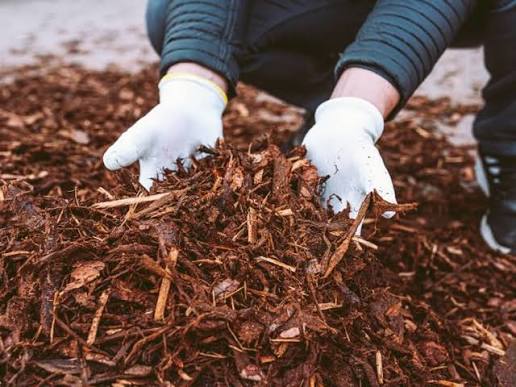
Mulch is the highest-return, lowest-effort intervention available to a Sydney garden. It cuts irrigation demand sharply, moderates soil temperature through both heatwaves and cold snaps, suppresses most weeds, feeds soil biology as it breaks down, and prevents the surface crusting that makes clay soils shed water rather than absorb it. It is also frequently free, because tree work produces it as a by-product. The catch is that mulch is applied badly more often than it is applied well.

This guide covers the mulch types available here, where to source them, realistic pricing, correct application depth, and the mistakes that turn a benefit into a problem.

What mulch does

A 75 millimetre layer of coarse organic mulch can substantially reduce evaporative loss from the soil surface, which in a Sydney summer is the difference between watering twice a week and watering fortnightly. It insulates the root zone, keeps soil temperature within the range fine roots can function in, blocks the light most weed seeds need to germinate, cushions rainfall impact so soil structure survives, and slowly releases organic matter and nutrients as it decomposes. Applied research on soil moisture, urban heat and plant performance in Australian conditions comes from institutions including the Hawkesbury Institute for the Environment and the University of Melbourne.
Garden Mulch and Wood Chips: Types, Benefits and Sourcing in Sydney

The types worth knowing

Arborist wood chip

Fresh chip from tree work: a mix of wood, bark and leaf. Coarse, structurally varied, breaks down into genuinely good soil, and usually the cheapest or free option. Ideal under trees and shrubs and on paths. Best aged a few weeks before going near sensitive plants.

Bark mulch

Shredded or nuggeted bark. Longer lasting, tidier appearance, better for visible front-garden beds. Costs more and contributes less nutrition than mixed chip.

Composted mulch

Aged and screened material that has passed through a heat process. More expensive, immediately plant-safe, higher nutrient value, and the right choice for vegetable and annual beds.

Native and leaf mulch

Chipped Australian species, often with high leaf content. Suits native gardens, breaks down into a low-phosphorus product that suits Australian flora. Species guidance is published by the Australian National Botanic Gardens.

Inorganic mulches

Gravel, scoria and pebble. Permanent, no nutrient contribution, and they store and radiate heat. Useful for drainage and design reasons, poor for soil biology.

Chip versus processed mulch

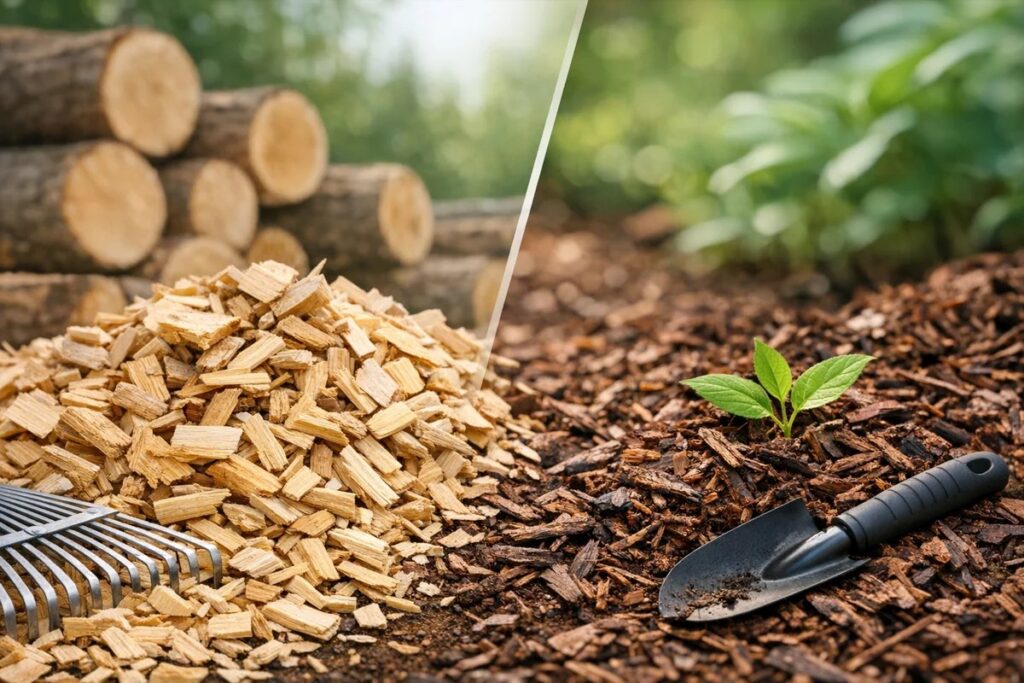
Raw chip is cheap, coarse and variable, decomposes faster and drives short-term nitrogen demand at the soil surface as microbes work on the wood. Processed mulch is screened for consistency, aged so it is immediately safe around plantings, and lasts longer. Choose raw chip for trees, shrubs, paths and slopes; choose composted product where you are planting seedlings or growing food. Avoid dyed mulches unless appearance genuinely outranks soil outcome.

Sourcing in Sydney

Tree services are the primary source and will frequently drop a truckload free rather than pay to tip it. The trade-offs are that you take what species arrive, you take the whole load, and you spread it yourself. Landscape suppliers sell consistent graded product in bulk or bags with delivery. Many councils process green waste and offer mulch to residents free or at low cost, sometimes at scheduled giveaway events; check your own council, for example City of Sydney, Inner West or Northern Beaches. Lawful handling and reuse of recovered organics in New South Wales is governed by the NSW Environment Protection Authority.

Pricing

Arborist chip is typically free to $80 per cubic metre delivered. Bulk wood chip mulch runs about $45 to $90 per cubic metre, quality composted mulch $70 to $140, and premium bark or decorative products $120 to $200 or more. Bagged mulch is $6 to $16 per bag and only economical for very small areas. Delivery adds $60 to $200 depending on distance and load size. Buying in bulk is dramatically cheaper per unit area, so estimate properly: area in square metres multiplied by depth in metres gives cubic metres required.
Garden Mulch and Wood Chips: Types, Benefits and Sourcing in Sydney

Applying it correctly

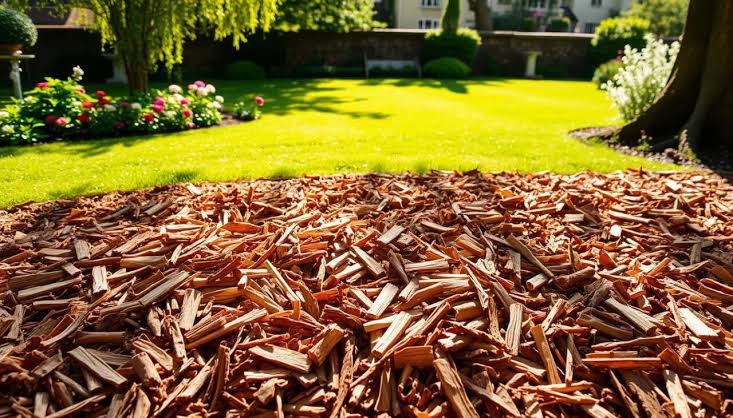
Weed thoroughly first, since mulch suppresses germination but will not kill established perennial weeds. Water the soil before mulching, not after. Apply 50 to 75 millimetres for fine mulches and 75 to 100 millimetres for coarse chip. Deeper is not better: beyond about 100 millimetres water struggles to reach the soil and roots migrate up into the mulch layer where they dry out. Keep mulch clear of trunks and stems by 100 to 150 millimetres, exposing the root flare. Extend coverage out toward the drip line, which is where the feeder roots actually are. Top up annually rather than laying a full new layer over the old.

The common mistakes

Volcano mulching against a trunk, which holds moisture against bark and invites collar rot and borers. Fine mulch laid too thick, which mats and becomes hydrophobic so rain runs off. Using raw chip around seedlings and vegetables without allowing for nitrogen draw-down. Bringing in unidentified material carrying weed seed or pathogens; NSW DPI publishes guidance on weed and biosecurity risk in organic material. And treating mulch as a substitute for watering in the first season after planting, which it is not.

Why it is the sustainable choice

Mulching closes a loop that would otherwise be a cost at both ends: organic material diverted from landfill, where it would generate methane, becomes a product that reduces potable water use and chemical inputs in your garden. Programs and policy on organics recovery are published by NSW Environment and the Department of Climate Change, Energy, the Environment and Water. A truckload of chip from the arborist who just worked your street is about as short as a supply chain gets.
The Ultimate Guide to Stump Removal Services in Sydney: Expert Insights

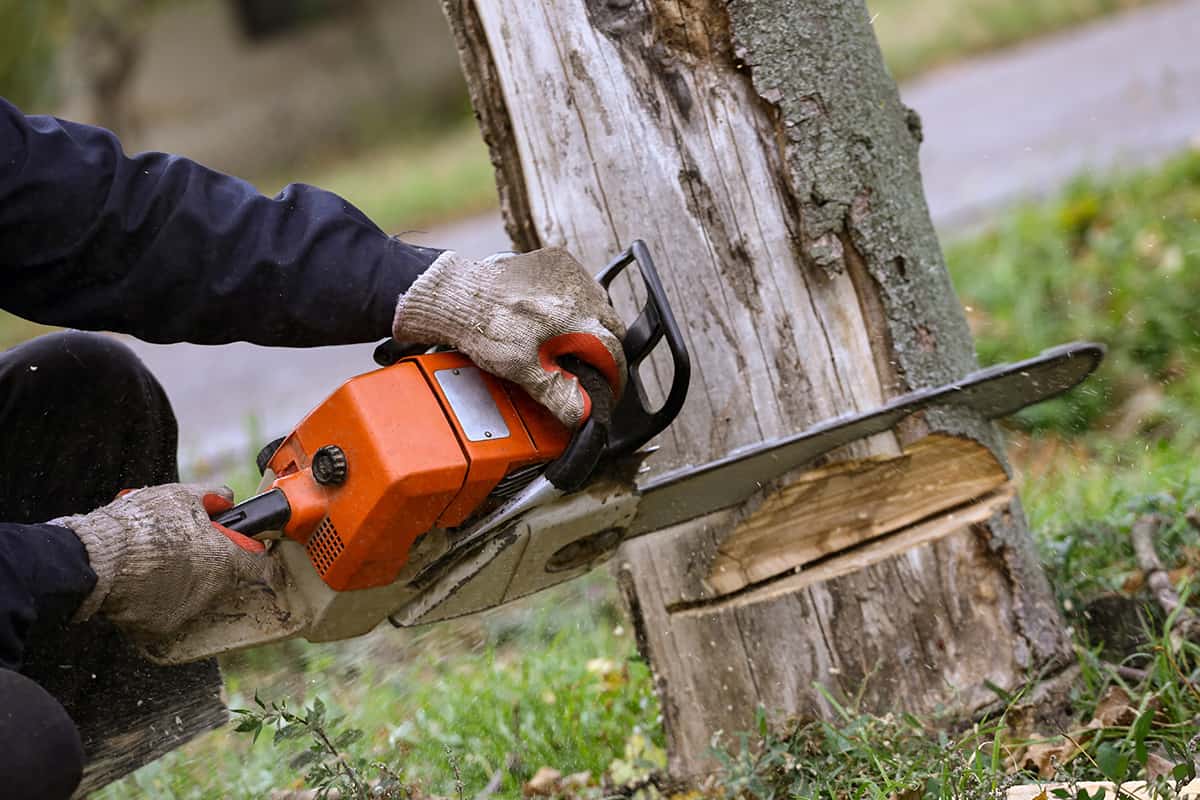
stump grinding

Stump removal is an essential aspect of maintaining a beautiful and functional landscape. Whether you’re dealing with an old, stubborn stump or preparing a site for new planting, efficient stump removal can significantly enhance the aesthetics and usability of your property. In this ultimate guide, we will explore everything you need to know about stump removal services in Sydney, from the benefits of professional services to tips for choosing the right provider.

What is Stump Removal?

Stump removal Sydney involves the process of eliminating the remaining part of a tree trunk after a tree has been cut down. Unlike stump grinding, which only reduces the stump to mulch, complete stump removal aims to remove the stump and its root system entirely. This process ensures that no part of the tree remains, preventing regrowth and allowing you to use the space for other purposes. To understand how professionals safely carry out this process and the equipment involved, Click here.

Why Choose Professional Stump Removal Services?

While DIY methods for stump removal are available, professional services offer several advantages:

1. Expertise and Experience
Professional stump removal services have the expertise to handle various types of stumps, including those that are large or deeply rooted. Their experience ensures that the job is done efficiently and safely, minimizing the risk of damage to your property.

2. Specialized Equipment
Professionals use specialized equipment designed for effective stump removal. This equipment can tackle stumps that are difficult to remove with standard tools, making the process quicker and more efficient.

3. Safety Considerations
Removing a stump involves several risks, including potential injury and property damage. Professionals follow strict safety protocols to ensure that the removal process is conducted safely, protecting both your property and their team.

4. Time Efficiency
Stump removal can be a time-consuming task, especially if you lack the right tools and techniques. Professionals can complete the job much faster, allowing you to move on to other landscaping projects without delay.

5. Clean-Up Services
Many professional stump removal services include clean-up as part of their offering. This means that once the stump is removed, they will also handle the disposal of the stump and any debris, leaving your property neat and tidy.

The Stump Removal Process: What to Expect

Understanding the stump removal process can help you better prepare for the service. Here’s a step-by-step overview:

1. Assessment and Quotation
The first step involves assessing the stump and the surrounding area. The professional will evaluate the size of the stump, the depth of the roots, and any potential obstacles. Based on this assessment, they will provide a detailed quotation.

2. Stump Removal Preparation
Before the removal begins, the area around the stump will be cleared of any obstacles. This preparation ensures that the removal process proceeds smoothly and safely.

3. Stump Removal Execution
Using specialized equipment, the professional will begin the stump removal process. This often involves digging around the stump to expose the roots and then using powerful machinery to extract the stump from the ground.

4. Root System Extraction
In addition to removing the stump, the root system will be extracted to prevent regrowth. This step is crucial for ensuring that no parts of the tree remain.

5. Clean-Up and Disposal
After the stump and roots are removed, the area will be cleaned up. The professional will handle the disposal of the stump and any debris, leaving your property ready for its next use.

Choosing the Right Stump Removal Service in Sydney

Selecting the right stump removal service can make a significant difference in the outcome of your project. Here are some factors to consider:

1. Reputation and Reviews
Look for a stump removal service with a solid reputation and positive reviews. Checking online reviews and asking for recommendations can help you find a reliable provider.

2. Experience and Expertise
Choose a service with experience in handling stump removal. An experienced provider will be better equipped to deal with various challenges and ensure a successful removal.

3. Equipment and Techniques
Ensure that the service uses modern, specialized equipment and up-to-date techniques. This will ensure that the stump removal is efficient and effective.

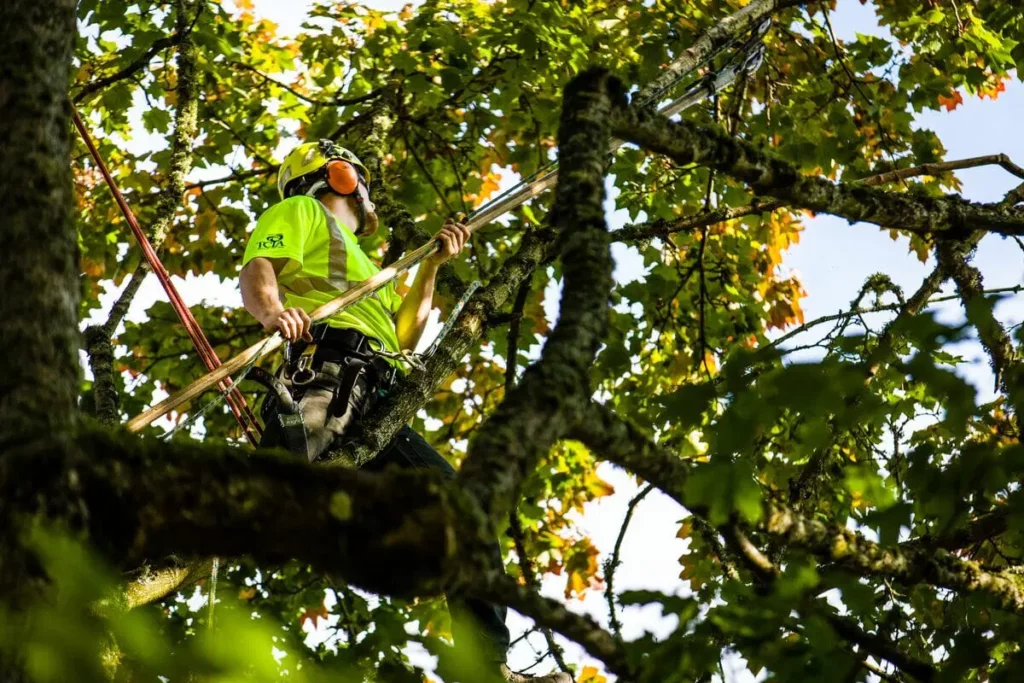
tree removal

4. Pricing and Quotations
Obtain detailed quotations from multiple providers to compare prices. Be cautious of very low prices, as they may indicate subpar service or hidden costs.

5. Insurance and Licensing
Verify that the service is properly insured and licensed. This protects you from potential liabilities and ensures that the provider meets industry standards.

Benefits of Stump Removal for Your Property

Removing stumps offers several benefits, including:

1. Enhanced Aesthetics
Stumps can be unsightly and detract from the overall appearance of your landscape. Removing them improves the visual appeal of your property.

2. Increased Usable Space
Stumps can take up valuable space that could be used for other purposes. Removing them allows you to utilize the area for new planting, lawn expansion, or other landscaping features.

3. Reduced Hazard Risk
Stumps can pose tripping hazards, especially in areas with heavy foot traffic. Removing them eliminates this risk, making your property safer for family and visitors.

4. Prevention of Pests and Diseases
Decaying stumps can attract pests and diseases that may spread to other parts of your garden. Removing the stump helps prevent these issues and maintains a healthy landscape.

5. Improved Lawn Maintenance
Mowing and maintaining your lawn can be challenging with stumps present. Removing them simplifies lawn care and enhances the overall health of your grass.

Common Stump Removal Mistakes to Avoid

To ensure a successful stump removal, avoid these common mistakes:

1. Neglecting Safety Precautions
Always prioritize safety by following recommended practices and using appropriate protective gear. This is especially important when handling heavy machinery.

2. Ignoring Local Regulations
Check with your local council regarding any regulations or permits required for stump removal. Ignoring these requirements can lead to fines or delays.

3. Skipping Professional Help
While DIY methods are available, they may not be suitable for all situations. Professional services offer expertise and equipment that can handle more complex stump removal tasks effectively.

tree removal

4. Underestimating Costs
Be sure to obtain a detailed quotation and understand all potential costs before proceeding. This helps prevent unexpected expenses and ensures that the service fits within your budget.

5. Failing to Prepare the Area
Proper preparation of the area around the stump is crucial for a smooth removal process. Ensure that the space is clear of obstacles and accessible to the removal team.

Conclusion

Stump removal is a vital service for maintaining a functional and aesthetically pleasing landscape. By choosing a professional stump removal service in Sydney, you can benefit from expertise, efficiency, and safety. Whether you’re dealing with an old stump or preparing for new landscaping projects, understanding the stump removal process and selecting the right service provider will ensure a successful outcome.

Related: Tree Pruning Service: Essential Tips for Homeowners.