
Professional Tree Pruning in Sydney: The Science Behind a Healthier Tree
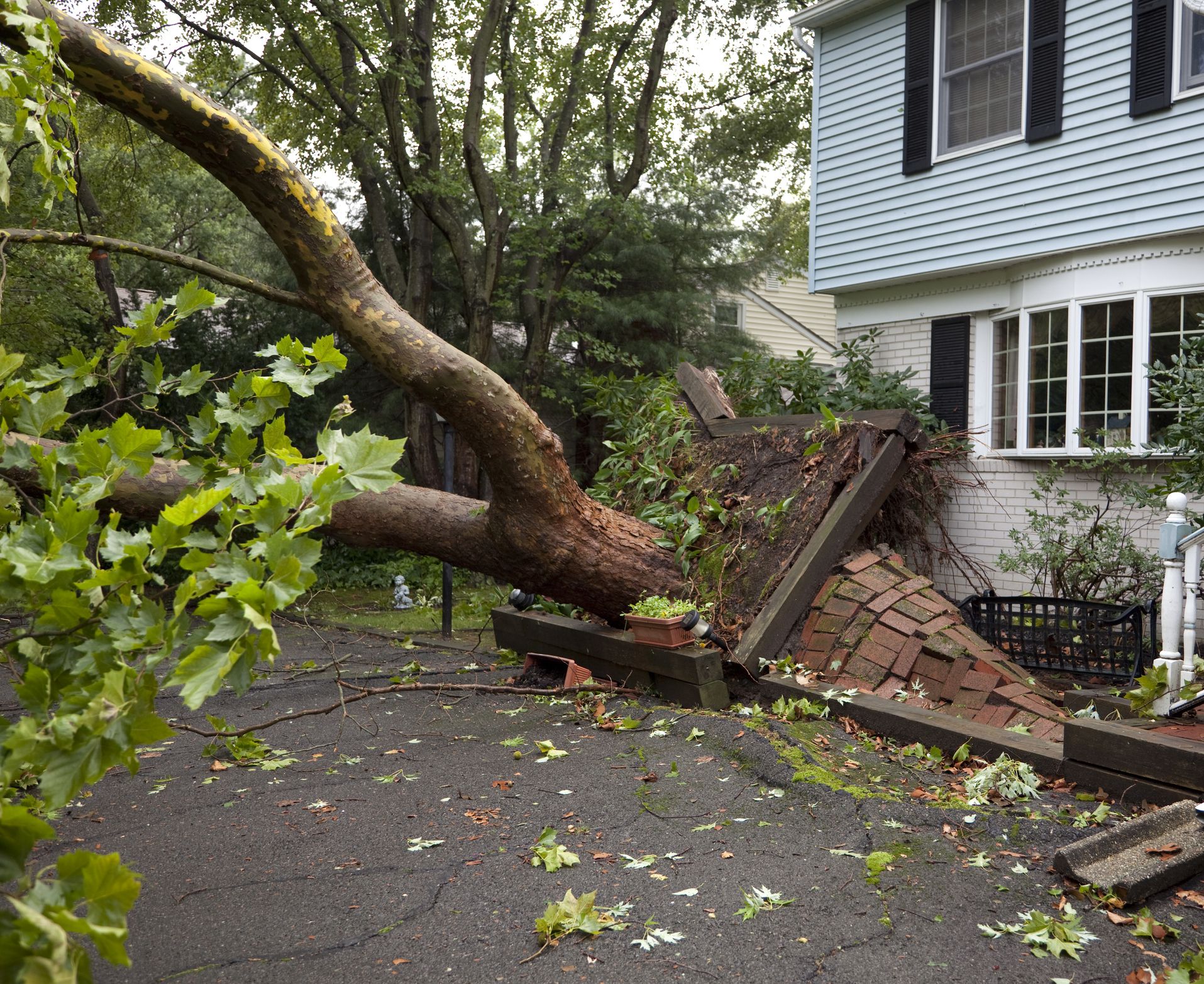
Pruning is the only garden task where the consequences of getting it wrong arrive years later and cannot be undone. Trees do not heal wounds the way animals do. They isolate them, walling off damaged tissue behind chemical and physical barriers while continuing to grow around the injury. Every cut is permanent, and where you place it determines whether the tree seals over cleanly or carries a column of decay for the rest of its life. That single piece of biology explains almost everything a good arborist does differently.
This guide covers how trees respond to cutting, where cuts belong, the standard that governs the work in Australia, timing by species group, costs in Sydney, and the mistakes that do lasting damage.
Compartmentalisation: what actually happens after a cut
When a branch is removed, the tree pruning responds by forming boundary layers that chemically and physically isolate the wound from healthy wood, then grows woundwood inward from the edges to close the surface. The process works well when the wound is small and located where the tree has pre-existing defences. It works poorly when the wound is large, when it sits in the middle of a branch with no natural boundary, or when the protective zone at the base of the branch has been cut away. The decay that follows a bad cut is not the cut healing badly; it is the tree failing to seal at all.
The branch collar, and why it is non-negotiable
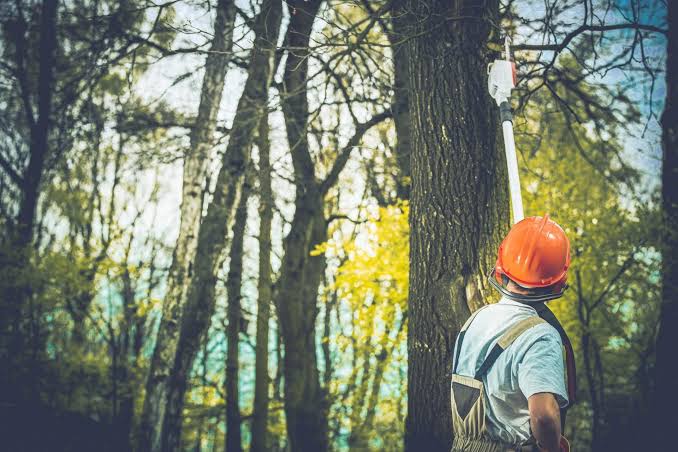
At the junction of branch and trunk sits the branch collar, a zone of overlapping tissue containing the tree’s strongest chemical defences. A correct removal cut sits just outside that collar, angled so the collar remains intact. Two failures dominate amateur work. A flush cut removes the collar along with the branch, destroying the defence zone and opening a path straight into the trunk. A stub cut leaves too much branch, and since the retained wood has no living tissue to close it, the stub dies back and decay travels inward. Large limbs also need the three-cut method: an undercut, a relief cut, then the final cut at the collar, so bark does not tear down the trunk under the branch’s own weight.
Pruning objectives
Health pruning removes dead, diseased and damaged material and improves air movement through a congested crown. Structural pruning establishes a dominant leader and well-spaced scaffold branches, and eliminates included bark unions before they become failure points. Size and clearance pruning reduces height, spread or overhang using reduction cuts to suitable laterals. Safety pruning removes hanging limbs, over-extended branches and material near electrical assets. Formative pruning on young trees delivers by far the greatest return, because a structural fault corrected with secateurs at year three would need a rigged removal at year thirty.
AS 4373 and the Australian framework
Australian Standard AS 4373, Pruning of amenity trees, defines the recognised pruning types, specifies cut placement, and limits how much live crown may be removed in one operation. Sydney councils reference it directly in tree management controls and permit conditions, and the City of Sydney’s guidance for residents and arborists is explicit that poor tree work causes irreversible damage in minutes. Qualifications sit under the Australian Qualifications Framework, with Level 3 for practical work and Level 5 for assessment and reporting, delivered in this state largely through TAFE NSW.
Consent is usually required
Pruning a protected tree beyond a defined threshold generally needs the same council approval as removal. The state framework is SEPP (Biodiversity and Conservation) 2021, applied through each council’s development control plan, with applications lodged via the NSW Planning Portal. The City of Sydney process shows what to expect: a fee, an assessment period, and a published exemption list. Where the tree is a neighbour’s, the Trees (Disputes Between Neighbours) Act 2006 applies and disputes go to NCAT.
Timing
Deciduous exotics are best pruned in late winter dormancy, when structure is visible and wound closure follows quickly with spring growth. Spring-flowering ornamentals go immediately after flowering to protect next season’s buds. Eucalypts and most natives suit late winter to early spring, avoiding peak summer stress. Conifers tolerate late winter or early summer and should never be cut back into old wood, where they will not regenerate. Palms need dead fronds removed only. Genuine hazards are removed whenever found, regardless of season.
The mistakes that matter
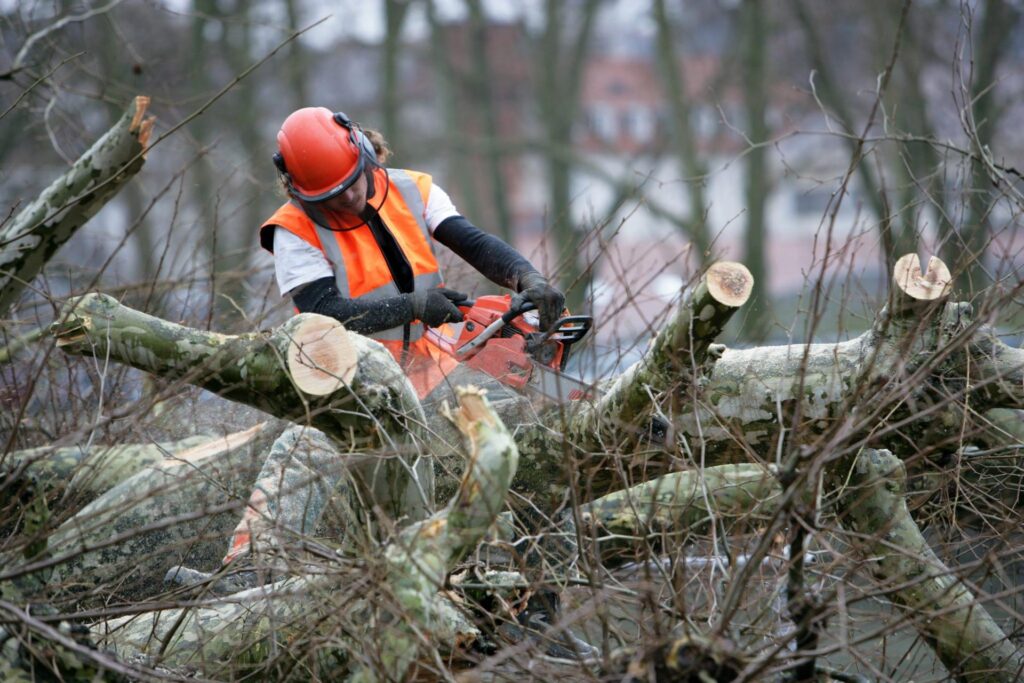
Topping and lopping, which trade a temporary size reduction for weak epicormic regrowth and large decay entry points. Flush cuts and stubs. Removing more than about a quarter of live crown in one operation, which starves the tree of photosynthetic capacity. Lion-tailing, stripping interior foliage and leaving weight at the branch ends, which dramatically increases failure risk. Cutting with blunt or dirty tools, which tears tissue and moves pathogens between trees. And applying wound paint or sealant, which traps moisture and impedes the tree’s own defences.
Costs in Sydney
Small trees typically run $300 to $700, medium $700 to $1,500, and large specimens requiring climbing or an elevated work platform $1,500 to $3,500, with more for crane access, traffic control or heritage-listed trees requiring supervision. Access and height drive the price far more than the volume of material removed. Confirm debris removal, site protection and permit handling are inside the quote.
Aftercare
Do not seal the cuts. Water deeply during the first growing season after significant work, especially through a dry Sydney summer. Do not fertilise heavily straight after pruning; a stressed tree does not need forced growth. Mulch out to the drip line, keeping material clear of the trunk. Watch for excessive epicormic shooting, which signals the tree was cut too hard. Then plan the next visit on a cycle rather than waiting for a problem. Retained canopy has measurable value, from the urban cooling effect documented by the Hawkesbury Institute for the Environment to the greening targets set out by the NSW Department of Planning, Housing and Infrastructure. Pruning well is how you keep it.