Why Pest Control Termite Methods Fail (and How to Get It Right)

Why Pest Control Termite Methods Fail (and How to Get It Right)

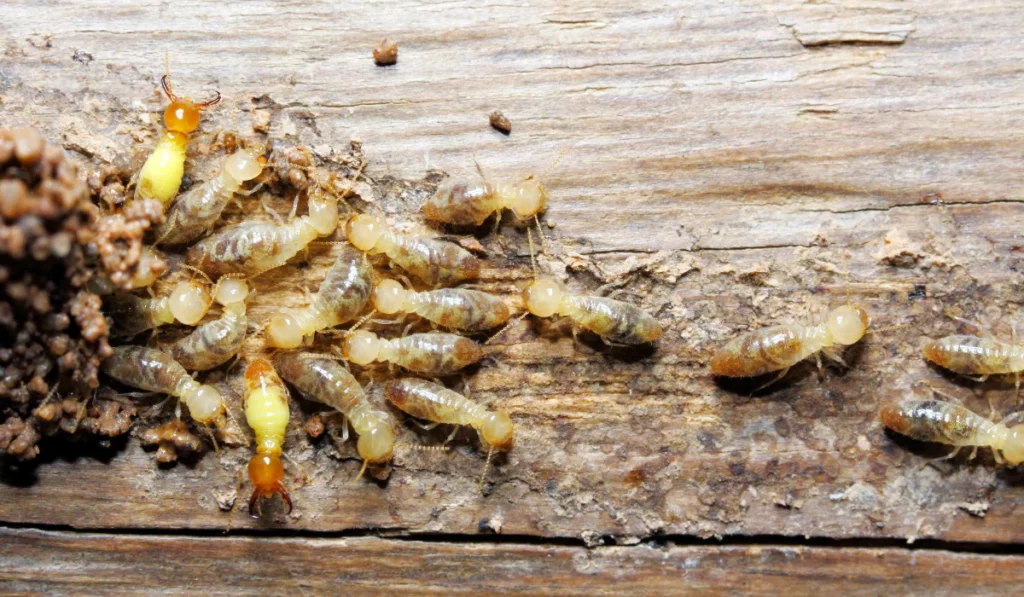
Termites are among the most destructive pests, causing significant damage to homes and structures. Despite the availability of various pest control methods, many attempts to eradicate these pests fail. Understanding why these methods often miss the mark can help homeowners and pest control professionals implement more effective strategies. This article delves into the reasons behind the failure of termite control methods and offers insights on how to achieve better results.

Common Reasons for Termite Control Failures

Inadequate Inspection

One of the primary reasons termite pest control sydney fail is inadequate inspection. Many pest control companies rush through the inspection process, failing to identify all potential entry points or signs of infestation. Termites can hide in hard-to-reach areas, such as behind walls or under floors, making it essential to conduct a thorough examination.

Moreover, homeowners often overlook signs of termite activity, such as mud tubes or damaged wood. A comprehensive inspection should include checking the foundation, crawl spaces, and any wooden structures in close proximity to the property. Without a detailed assessment, treatments may be applied ineffectively, allowing termites to persist unnoticed. It is also worth noting that seasonal changes can affect termite behaviour; for instance, during warmer months, termite activity may increase, making it vital to schedule inspections at strategic times throughout the year to catch any potential infestations early.

Improper Treatment Application

Even when inspections are thorough, the application of treatments can be flawed. Many pest control methods rely on chemical barriers or baits, but improper application can render these solutions ineffective. For instance, if a chemical barrier is not applied at the correct depth or concentration, it may fail to repel or eliminate termites.

Additionally, using the wrong type of treatment for the specific species of termite can lead to inadequate results. Different species may react differently to various chemicals, and understanding these nuances is crucial for effective pest control. Furthermore, the timing of treatment application plays a significant role; applying treatments during peak activity periods can enhance their effectiveness. Pest control professionals should be well-versed in the life cycles of different termite species to ensure that treatments are deployed at the most opportune moments for maximum impact.

Why Pest Control Termite Methods Fail (and How to Get It Right)

Failure to Address Underlying Conditions

Termites are often attracted to specific environmental conditions, such as moisture and wood-to-soil contact. If these underlying conditions are not addressed, any treatment applied may only provide temporary relief. For example, if a property has leaky pipes or poor drainage, termites will continue to thrive despite pest control efforts.

Homeowners must take proactive steps to eliminate conducive conditions by repairing leaks, improving ventilation, and ensuring proper drainage around the foundation. This holistic approach is essential for long-term termite prevention and control. Additionally, landscaping choices can influence termite attraction; for instance, storing firewood or mulch too close to the home can create a bridge for termites to access the structure. By maintaining a clear zone around the property and using termite-resistant materials in construction and landscaping, homeowners can significantly reduce the likelihood of infestations and create a less hospitable environment for these pests. Read more about termite resistant materials at https://emedia.rmit.edu.au/dlsweb/Toolbox/buildright/content/bcgbc4010a/09_footing_systems/09_termites/page_002.htm#:~:text=Termite%20resistant%20materials%20include%3A,masonry

Understanding Termite Behaviour

Species-Specific Characteristics

Different species of termites exhibit varying behaviours and nesting habits. For instance, subterranean termites build extensive underground colonies, while drywood termites infest the wood directly. A one-size-fits-all approach to pest control is unlikely to succeed when dealing with such diverse behaviours.

Understanding the specific species involved in an infestation is critical for selecting the appropriate treatment method. For example, while baiting systems may be effective for subterranean termites, they may not work for drywood termites, which require different strategies for elimination.

Colony Structure and Size

The size and structure of a termite colony can also impact the effectiveness of control methods. A mature colony can contain thousands of individuals, and if only a small portion of the colony is targeted, the remaining termites can quickly repopulate the area. This is particularly true for baiting systems, which may take time to eliminate the entire colony.

To combat this, pest control professionals must employ strategies that target the entire colony, such as liquid treatments that create a barrier or bait systems that are monitored and replenished as needed. Understanding colony dynamics is essential for developing a successful pest control plan.

Choosing the Right Pest Control Method

Integrated Pest Management (IPM)

Integrated Pest Management (IPM) is a holistic approach that combines multiple strategies for effective pest control. This method focuses on understanding the pest’s life cycle, behaviour, and environmental conditions to develop a comprehensive management plan. IPM includes monitoring, prevention, and treatment, ensuring a well-rounded approach to termite control.

By implementing IPM, homeowners can reduce reliance on chemical treatments, thereby minimising potential risks to health and the environment. This method also emphasises ongoing monitoring and adjustments to the control plan, ensuring that any new infestations are promptly addressed. Click here to learn more about IPM and how it works.

Professional Expertise

While DIY methods may seem appealing, professional pest control services often provide the most effective solutions. Pest control experts have access to advanced tools, techniques, and knowledge that can significantly enhance the chances of successful termite elimination. They can also identify potential issues that homeowners may overlook.

When selecting a pest control company, it is essential to choose one with a proven track record in termite management. Look for certifications, customer reviews, and a commitment to ongoing training in the latest pest control methods. This ensures that the treatment plan is based on the most current and effective practices.

Regular Monitoring and Maintenance

Once a termite treatment has been applied, regular monitoring and maintenance are crucial to ensure long-term success. Termites can return if conditions become favourable, so periodic inspections and preventative measures should be part of any pest control strategy.

Homeowners should consider scheduling annual inspections and implementing preventative treatments, especially in areas prone to termite activity. This proactive approach can save significant costs in potential damages and provide peace of mind.

Innovative Solutions in Termite Control
Why Pest Control Termite Methods Fail (and How to Get It Right)

Advanced Baiting Systems

Recent advancements in baiting systems have improved their effectiveness in termite control. Modern bait systems are designed to attract termites more efficiently and deliver slow-acting insecticides that allow for colony-wide elimination. These systems can be strategically placed around the property to intercept foraging termites before they reach the structure.

Additionally, some bait systems now incorporate monitoring technology, allowing homeowners and pest control professionals to track termite activity and adjust treatment plans accordingly. This innovation enhances the overall effectiveness of termite management strategies.

Natural and Eco-Friendly Treatments

As awareness of environmental issues grows, many homeowners are seeking eco-friendly alternatives for pest control. Natural treatments, such as nematodes or diatomaceous earth, can be effective in managing termite populations without the use of harsh chemicals. These methods are often safer for both humans and pets and can be integrated into an IPM approach.

While natural treatments may not always provide immediate results, they can be part of a long-term strategy for managing termite populations sustainably. Homeowners should consult with pest control professionals to explore the best eco-friendly options for their specific situation.

Conclusion

Understanding why pest control methods for termites often fail is the first step towards developing a more effective strategy. By addressing issues such as inadequate inspection, improper treatment application, and failure to eliminate conducive conditions, homeowners can significantly improve their chances of success.

Implementing an Integrated Pest Management approach, leveraging professional expertise, and considering innovative solutions can lead to more effective termite control. Regular monitoring and maintenance are essential to ensure that any treatment remains effective in the long term.

In the battle against termites, knowledge, preparation, and the right strategies can make all the difference. By taking a proactive and informed approach, homeowners can protect their properties from the devastating effects of termite infestations.

Related : Termite Control Sydney: Proven Techniques for Long-Lasting Results
Stump Grinding Near Me: Convenient and Reliable Services

Stump Grinding Near Me

When you have a tree removed from your property, you may not realise that the work isn’t complete until the stump is also addressed. Stump grinding services are essential for a tidy, safe, and aesthetically pleasing landscape. If you’re searching for “stump grinding near me,” you’re on the right path to restoring your garden to its full glory. This article will explore the importance of stump grinding, the processes involved, the benefits of hiring professionals, and how to find the best services available.

Understanding the need for stump grinding

Tree felling can leave behind a significant remnant—the stump. It’s not just an unsightly feature in your garden; it can also pose various challenges. Understanding these challenges is the first step in realising the value of stump grinding and removal.

The aftermath of tree felling

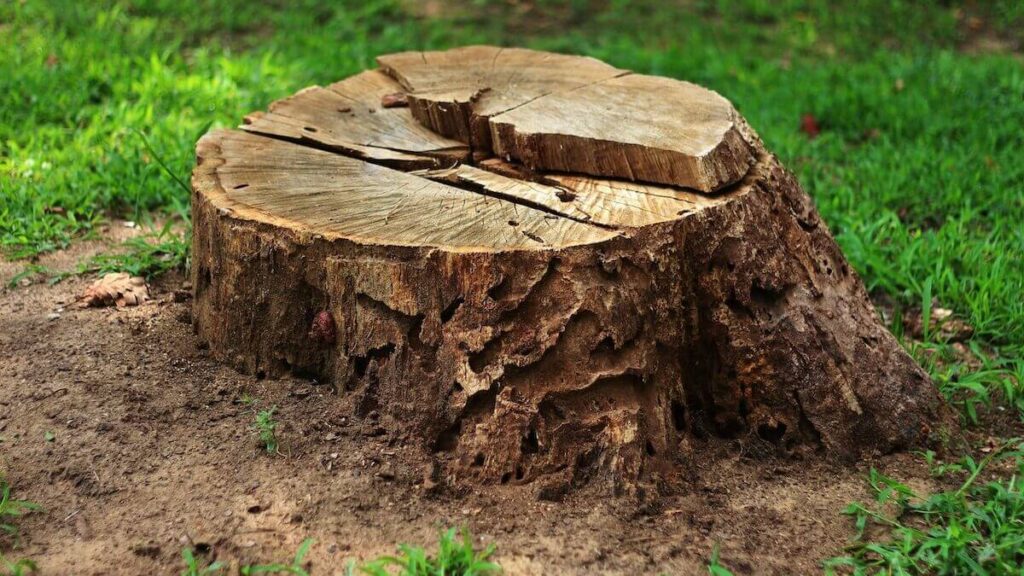
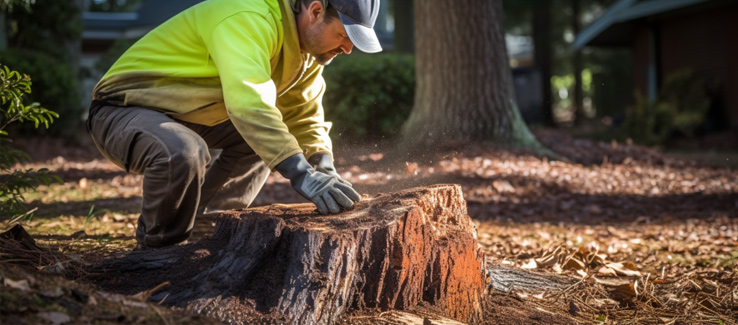
After a tree has been removed, the stump can become a nuisance. It not only detracts from the overall appearance of your garden but can also be a tripping hazard for family members, guests, and pets. Additionally, if left unattended, a tree stump can start to decay, attracting pests and diseases that might spread to healthy plants.

How stump grinding contributes to landscape aesthetics

Removing the stump enhances the visual appeal of your garden. A flat, smooth landscape allows for easier mowing and gardening activities, promoting a well-maintained look. Furthermore, with the stump gone, you have the opportunity to replant, landscape, or even create new features such as flower beds or seating areas.

The process of stump grinding

Stump grinding is a specialised process that involves the removal of the stump below ground level to prevent regrowth. Understanding how this is done helps you appreciate why hiring a professional is important.

Equipment used in stump grinding

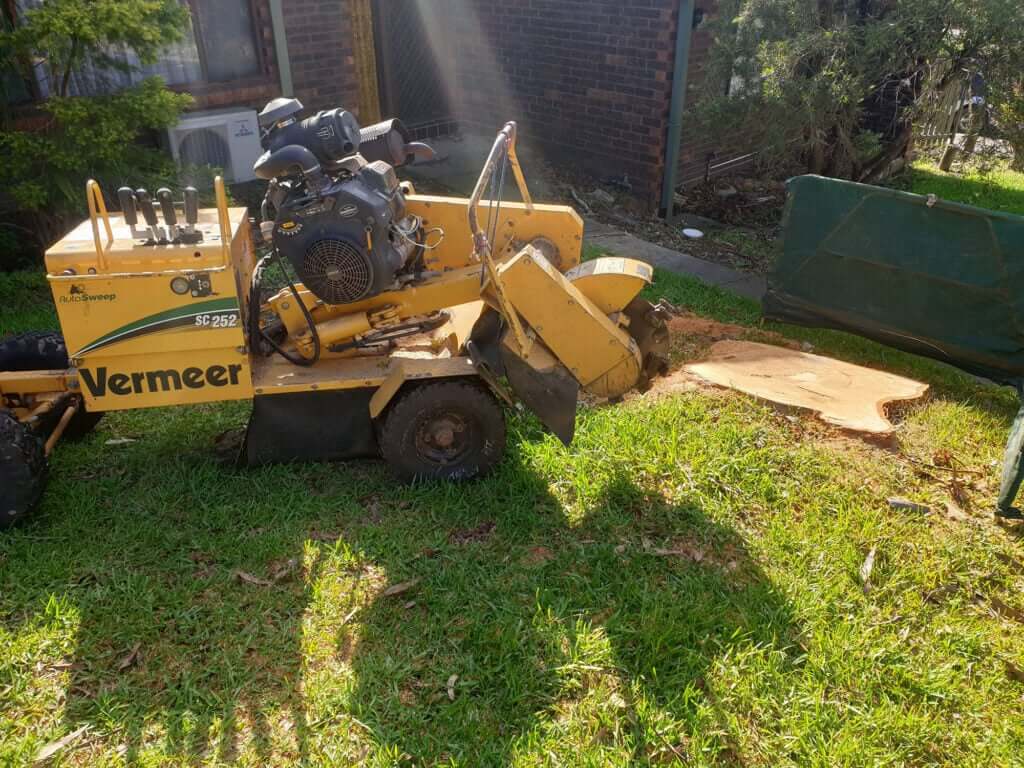
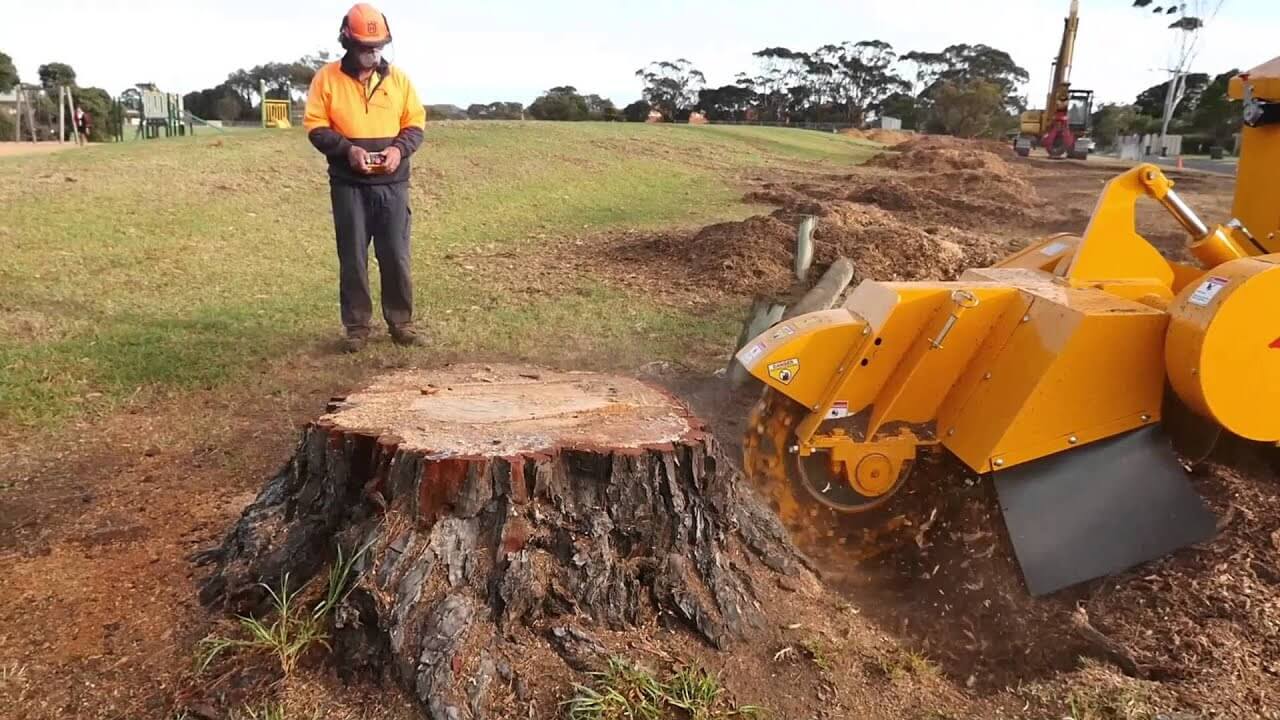
Professionals use a variety of equipment to ensure the stump grinding process is carried out efficiently and safely. The primary tool is a stump grinder, a heavy machine equipped with a rotating blade that grinds the stump into small wood chips.

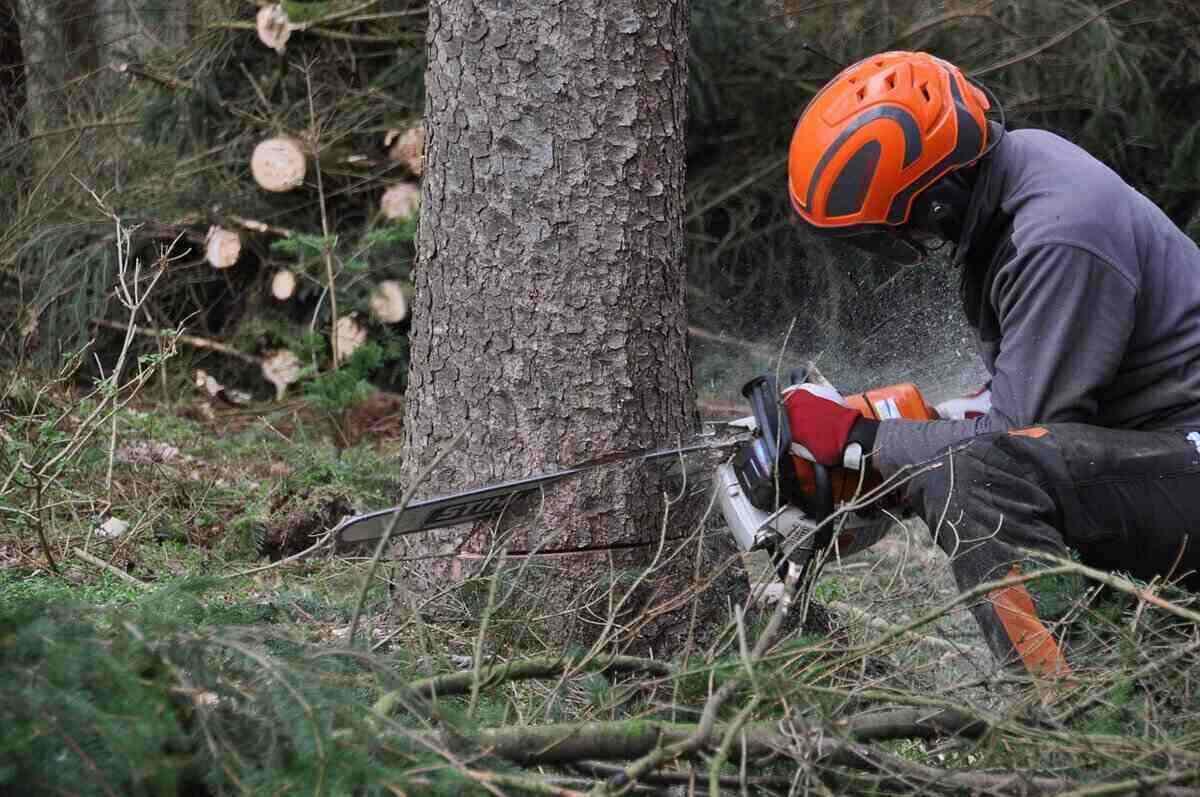
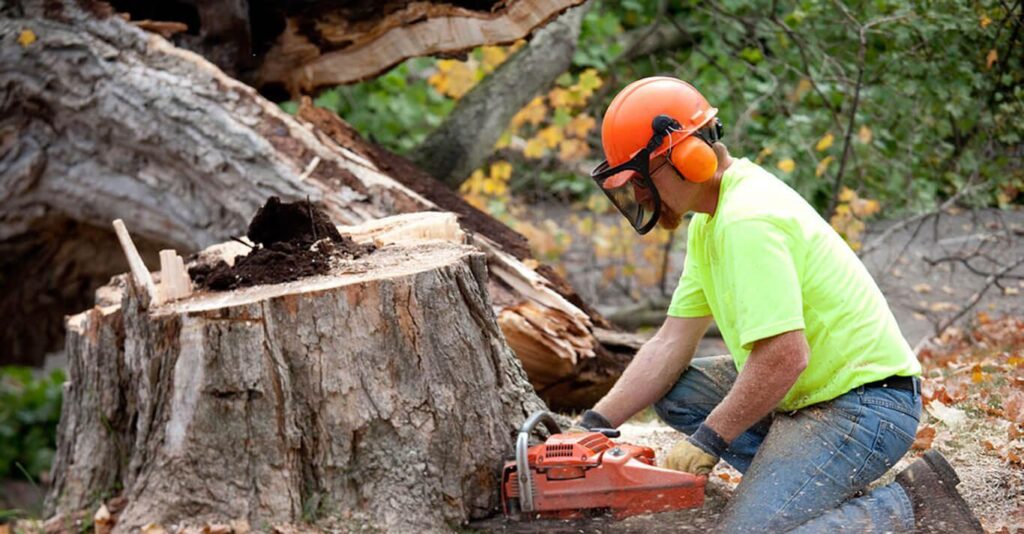
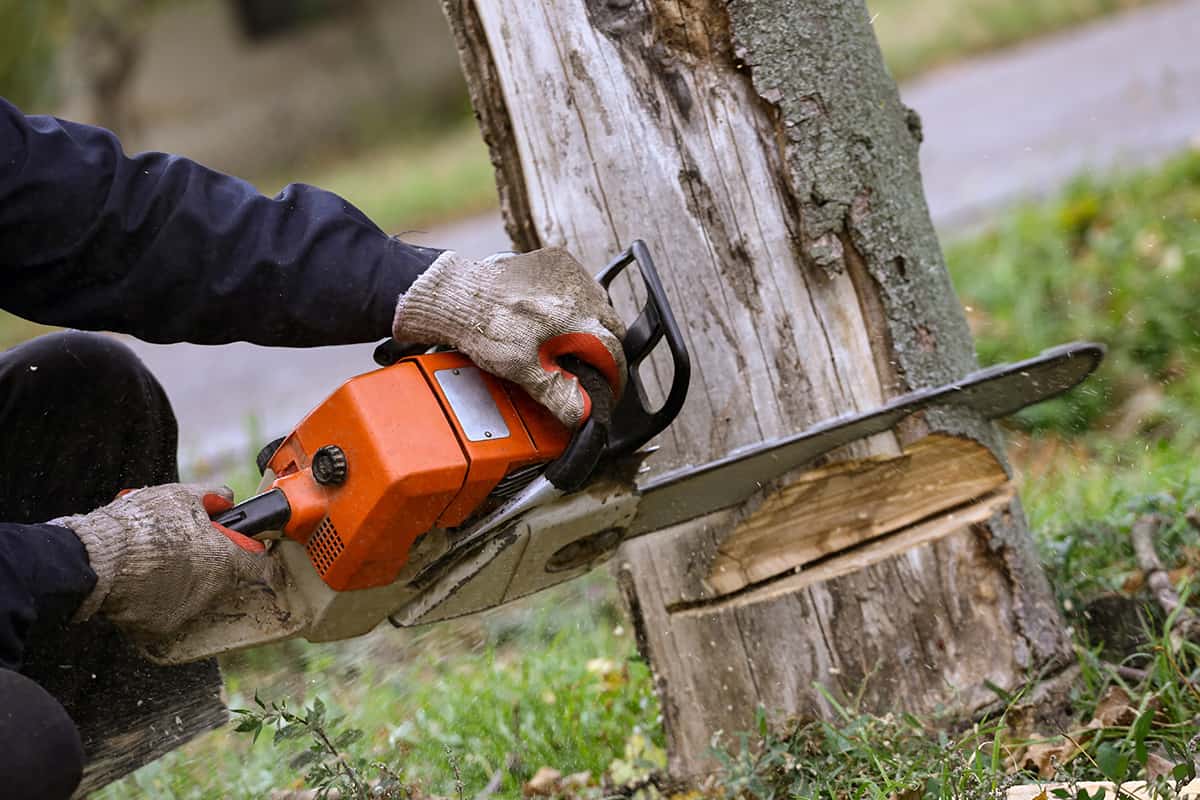
Additional equipment may include a chainsaw for cutting the stump down to a manageable height, safety gear such as goggles and helmets, and wood chippers for dealing with leftover debris. Using the right equipment is crucial for getting the job done properly and minimising any potential hazards.

The step-by-step procedure

The step-by-step procedure typically begins with the assessment of the site. The professional team will survey the area around the stump to identify any underground utilities or structures that need to be avoided. Next, they will cut the stump down to a few inches above ground level, followed by positioning the stump grinder over the stump.

Once the grinding begins, the operator will slowly feed the stump into the machine, turning the stump into mulch. After grinding, the operator will clear away the wood chips and can offer to fill the remaining hole, often with soil or additional mulch, to prevent any trip hazards and improve the area’s appearance.

Stump Grinding Near Me

Benefits of professional stump grinding services

Engaging professionals for stump grinding has several significant advantages. From efficiency to safety, the benefits are clear for anyone considering taking on the task themselves.

Efficiency and time-saving

One of the primary benefits of hiring professionals is the efficiency they bring to the task. Stump grinding can be time-consuming and labour-intensive, especially if you’re inexperienced. Professionals are equipped with the right tools and expertise to complete the job in a fraction of the time it would take an amateur.

Moreover, they can tackle large or multiple stumps quickly and efficiently, which means you can enjoy your revitalised garden much sooner than if you did it yourself.

Safety considerations

Stump grinding is not without its risks. The machinery involved can be dangerous if not handled correctly. Hiring professionals ensures that all safety protocols are followed, from the gear they wear to their knowledge of potential hazards in your garden. This reduces the risk of accidents and ensures everyone remains safe during the process.

How to choose a reliable stump grinding service

With many companies offering stump grinding services, knowing how to choose a reliable one can seem daunting. However, understanding what to look out for can make the process easier.

Stump Grinding Near Me

Factors to consider when hiring

When selecting a stump grinding service, consider their experience and qualifications. Look for companies with a proven track record and positive reviews from past clients. Additionally, ensure they have the proper insurance, which protects you from liability in case of any accidents during the job.

It’s also wise to inquire about their methods and equipment. Reliable companies will explain their procedures and why they use certain equipment, giving you peace of mind that your garden is in good hands.

Questions to ask potential service providers

Before making a final decision, ask potential service providers a few key questions. Inquire about their experience with stump grinding specifically, as well as their availability and estimated completion times. It’s crucial to understand the costs involved and whether they provide written estimates and contracts.

Finally, ensure they offer follow-up services, like cleaning up debris or filling in the hole left after grinding, as this can significantly affect the overall results.

The cost of stump grinding services

The cost of stump grinding can vary considerably based on several factors. Understanding these can help you budget more effectively and avoid any surprises.

Factors affecting the cost

Several factors influence the price of stump grinding services, including the size and number of stumps being removed, accessibility of the site, and the complexity of the job. For instance, larger stumps or those located in tight spaces require more time and effort, leading to higher costs.

Understanding the pricing structure

Typically, stump grinding services may charge either a flat rate per stump or an hourly rate depending on the job’s nature. It’s important to discuss pricing during your initial consultations and request a detailed breakdown of expected costs. This transparency will help you understand what you’re paying for and why.

In conclusion, stump grinding is a crucial step in maintaining the beauty and safety of your property after tree removal. By understanding the importance of this service, the necessary processes involved, and how to choose the right professionals, you can confidently restore your landscape to its former glory.

You may also like – How to Choose the Best Online Flower Delivery in Sydney

From Stumps to Clear Ground: Effective Stump Removal Solutions in Sydney

stump grinding

Introduction

Dealing with tree stumps can be a challenging task for any property owner. Whether left from a recently removed tree or an old stump that’s been lingering for years, these unsightly remnants can become a significant nuisance. In Sydney, where tree maintenance is crucial for both aesthetics and safety, effective stump removal is essential. This guide will explore the best solutions for stump removal in Sydney, including the advantages of professional services and practical tips for a successful removal.

Why Stump Removal is Important

Stumps left behind after tree removal can cause various problems:

  • Aesthetic Issues: Stumps can mar the appearance of your landscape, making your yard look unfinished and unkempt.
  • Safety Hazards: They can be tripping hazards, especially in areas with high foot traffic.
  • Pest Infestation: Decaying stumps can attract pests such as termites, ants, and beetles.
  • Regrowth: Some stumps may sprout new shoots, which can be troublesome if not addressed.

Choosing the Right Stump Removal Method

Several methods are available for removing stumps, each with its benefits and considerations. Understanding these options can help you choose the most effective approach for your needs.

1. Stump Grinding

Stump grinding is one of the most popular methods for removing stumps. This technique involves using a specialized machine to grind the stump into small wood chips. The benefits of stump grinding include:

  • Efficiency: Stump grinding can quickly reduce a stump to mulch, making it a time-efficient option.
  • Minimal Impact: This method is less invasive than complete removal, causing less disruption to your surrounding landscape.
  • Complete Removal: The grinding process ensures that the stump is eliminated down to below ground level.

Professional Services: For the best results, consider hiring professionals who have the right equipment and expertise. In Sydney, companies such as Trees Down Under are recognised for providing professional tree removal and stump grinding services, ensuring comprehensive care for your property, including areas like the Blue Mountains.

2. Manual Removal

Manual removal involves digging out the stump using tools such as shovels, pickaxes, and a chainsaw. This method is labor-intensive and requires:

  • Physical Effort: Removing a stump manually can be physically demanding, especially for large stumps.
  • Time Consumption: This method can be time-consuming, particularly if the stump has a deep root system.
  • Equipment: You will need the right tools to handle the job effectively.

Manual removal can be effective for small to medium-sized stumps but may not be practical for larger ones.

tree removal

3. Chemical Removal

Chemical removal involves using chemicals to speed up the decomposition of the stump. This method requires:

  • Application of Chemicals: Chemicals are applied to the stump, which breaks it down over time.
  • Patience: The process can take several months to complete, depending on the size of the stump and environmental conditions.
  • Safety Considerations: Care must be taken to handle and apply chemicals safely to avoid harm to surrounding plants and wildlife.

Chemical removal is a less labor-intensive method but requires patience and proper handling of chemicals.

4. Burning

Burning is another option for stump removal, though it is less commonly used due to safety and environmental concerns. This method involves:

  • Controlled Burning: Burning the stump to reduce it to ash. This method can be effective but requires careful management to prevent wildfires.
  • Permits: You may need a permit to burn stumps, depending on local regulations.
  • Cleanup: Post-burning, there may be residual ash and debris that needs to be cleaned up.

Burning should be approached with caution and only used in appropriate conditions.

DIY Stump Removal Tips

If you choose to handle stump removal yourself, here are some tips to ensure success:

  • Assess the Stump: Determine the size and condition of the stump before deciding on a method.
  • Gather Tools: Make sure you have the necessary tools and equipment for your chosen method.
  • Safety First: Always prioritize safety by wearing protective gear and following best practices.
  • Seek Advice: If unsure about the best method, seek advice from professionals or consult online resources.
stump removal

Benefits of Professional Stump Removal Services

While DIY methods can be effective, hiring professionals offers several advantages:

  • Expertise: Professionals have the experience and knowledge to handle various stump sizes and types.
  • Equipment: They use specialized equipment that can efficiently and safely remove stumps.
  • Time Savings: Professional services can complete the job more quickly, allowing you to focus on other tasks.
  • Comprehensive Care: Professionals can also assess and address any related issues, such as pest infestations or tree health.

Conclusion

Effective stump removal is essential for maintaining the beauty and safety of your landscape. Whether you choose to handle the task yourself or hire professionals, understanding your options and the benefits of each method will help you make an informed decision. For comprehensive tree care solutions, including stump removal, consider seeking services that also address related needs, such as tree removal Blue Mountains.

Related: Top Tree Pruning Services for a Healthy Landscape.

The Ultimate Guide to Stump Removal Services in Sydney: Expert Insights

stump grinding

Stump removal is an essential aspect of maintaining a beautiful and functional landscape. Whether you’re dealing with an old, stubborn stump or preparing a site for new planting, efficient stump removal can significantly enhance the aesthetics and usability of your property. In this ultimate guide, we will explore everything you need to know about stump removal services in Sydney, from the benefits of professional services to tips for choosing the right provider.

What is Stump Removal?

Stump removal Sydney involves the process of eliminating the remaining part of a tree trunk after a tree has been cut down. Unlike stump grinding, which only reduces the stump to mulch, complete stump removal aims to remove the stump and its root system entirely. This process ensures that no part of the tree remains, preventing regrowth and allowing you to use the space for other purposes. To understand how professionals safely carry out this process and the equipment involved, Click here.

Why Choose Professional Stump Removal Services?

While DIY methods for stump removal are available, professional services offer several advantages:

1. Expertise and Experience
Professional stump removal services have the expertise to handle various types of stumps, including those that are large or deeply rooted. Their experience ensures that the job is done efficiently and safely, minimizing the risk of damage to your property.

2. Specialized Equipment
Professionals use specialized equipment designed for effective stump removal. This equipment can tackle stumps that are difficult to remove with standard tools, making the process quicker and more efficient.

3. Safety Considerations
Removing a stump involves several risks, including potential injury and property damage. Professionals follow strict safety protocols to ensure that the removal process is conducted safely, protecting both your property and their team.

4. Time Efficiency
Stump removal can be a time-consuming task, especially if you lack the right tools and techniques. Professionals can complete the job much faster, allowing you to move on to other landscaping projects without delay.

5. Clean-Up Services
Many professional stump removal services include clean-up as part of their offering. This means that once the stump is removed, they will also handle the disposal of the stump and any debris, leaving your property neat and tidy.

The Stump Removal Process: What to Expect

Understanding the stump removal process can help you better prepare for the service. Here’s a step-by-step overview:

1. Assessment and Quotation
The first step involves assessing the stump and the surrounding area. The professional will evaluate the size of the stump, the depth of the roots, and any potential obstacles. Based on this assessment, they will provide a detailed quotation.

2. Stump Removal Preparation
Before the removal begins, the area around the stump will be cleared of any obstacles. This preparation ensures that the removal process proceeds smoothly and safely.

3. Stump Removal Execution
Using specialized equipment, the professional will begin the stump removal process. This often involves digging around the stump to expose the roots and then using powerful machinery to extract the stump from the ground.

4. Root System Extraction
In addition to removing the stump, the root system will be extracted to prevent regrowth. This step is crucial for ensuring that no parts of the tree remain.

5. Clean-Up and Disposal
After the stump and roots are removed, the area will be cleaned up. The professional will handle the disposal of the stump and any debris, leaving your property ready for its next use.

Choosing the Right Stump Removal Service in Sydney

Selecting the right stump removal service can make a significant difference in the outcome of your project. Here are some factors to consider:

1. Reputation and Reviews
Look for a stump removal service with a solid reputation and positive reviews. Checking online reviews and asking for recommendations can help you find a reliable provider.

2. Experience and Expertise
Choose a service with experience in handling stump removal. An experienced provider will be better equipped to deal with various challenges and ensure a successful removal.

3. Equipment and Techniques
Ensure that the service uses modern, specialized equipment and up-to-date techniques. This will ensure that the stump removal is efficient and effective.

tree removal

4. Pricing and Quotations
Obtain detailed quotations from multiple providers to compare prices. Be cautious of very low prices, as they may indicate subpar service or hidden costs.

5. Insurance and Licensing
Verify that the service is properly insured and licensed. This protects you from potential liabilities and ensures that the provider meets industry standards.

Benefits of Stump Removal for Your Property

Removing stumps offers several benefits, including:

1. Enhanced Aesthetics
Stumps can be unsightly and detract from the overall appearance of your landscape. Removing them improves the visual appeal of your property.

2. Increased Usable Space
Stumps can take up valuable space that could be used for other purposes. Removing them allows you to utilize the area for new planting, lawn expansion, or other landscaping features.

3. Reduced Hazard Risk
Stumps can pose tripping hazards, especially in areas with heavy foot traffic. Removing them eliminates this risk, making your property safer for family and visitors.

4. Prevention of Pests and Diseases
Decaying stumps can attract pests and diseases that may spread to other parts of your garden. Removing the stump helps prevent these issues and maintains a healthy landscape.

5. Improved Lawn Maintenance
Mowing and maintaining your lawn can be challenging with stumps present. Removing them simplifies lawn care and enhances the overall health of your grass.

Common Stump Removal Mistakes to Avoid

To ensure a successful stump removal, avoid these common mistakes:

1. Neglecting Safety Precautions
Always prioritize safety by following recommended practices and using appropriate protective gear. This is especially important when handling heavy machinery.

2. Ignoring Local Regulations
Check with your local council regarding any regulations or permits required for stump removal. Ignoring these requirements can lead to fines or delays.

3. Skipping Professional Help
While DIY methods are available, they may not be suitable for all situations. Professional services offer expertise and equipment that can handle more complex stump removal tasks effectively.

tree removal

4. Underestimating Costs
Be sure to obtain a detailed quotation and understand all potential costs before proceeding. This helps prevent unexpected expenses and ensures that the service fits within your budget.

5. Failing to Prepare the Area
Proper preparation of the area around the stump is crucial for a smooth removal process. Ensure that the space is clear of obstacles and accessible to the removal team.

Conclusion

Stump removal is a vital service for maintaining a functional and aesthetically pleasing landscape. By choosing a professional stump removal service in Sydney, you can benefit from expertise, efficiency, and safety. Whether you’re dealing with an old stump or preparing for new landscaping projects, understanding the stump removal process and selecting the right service provider will ensure a successful outcome.

Related: Tree Pruning Service: Essential Tips for Homeowners.