Essential Tree Removal Blue Mountains Services for Rural Homes
tree removel

The Blue Mountains, with its stunning landscapes and rich biodiversity, is a cherished area for many rural homeowners. However, maintaining the beauty and safety of these properties often requires professional tree removal services. Trees can pose various challenges, from obstructing views to threatening structures. This article explores essential tree removal services available in the Blue Mountains, ensuring homeowners can make informed decisions about managing their trees.

Understanding the Importance of Tree Removal

Tree removal is not merely about cutting down trees; it encompasses a range of services that contribute to the overall health and safety of a property. In rural areas, where trees are often abundant, understanding when and why to remove a tree is crucial. Trees can be a beautiful addition to any landscape, providing shade, beauty, and habitat for wildlife. However, when they become a liability, the decision to remove them must be taken seriously, considering both the immediate and long-term implications for the environment and property. In Sydney, companies such as Trees Down Under are recognised for delivering professional tree removal services that help manage these risks responsibly.

Safety Concerns

One of the primary reasons for tree removal Blue Mountains is safety. Trees that are dead, dying, or structurally unsound can pose significant risks. High winds or storms can lead to falling branches or even entire trees crashing onto homes, vehicles, or power lines. Regular assessments by professionals can identify potential hazards before they escalate into dangerous situations. Moreover, the roots of unstable trees can compromise the integrity of nearby structures, leading to costly repairs. Therefore, proactive tree management is essential to safeguard both life and property.
Health of Surrounding Trees

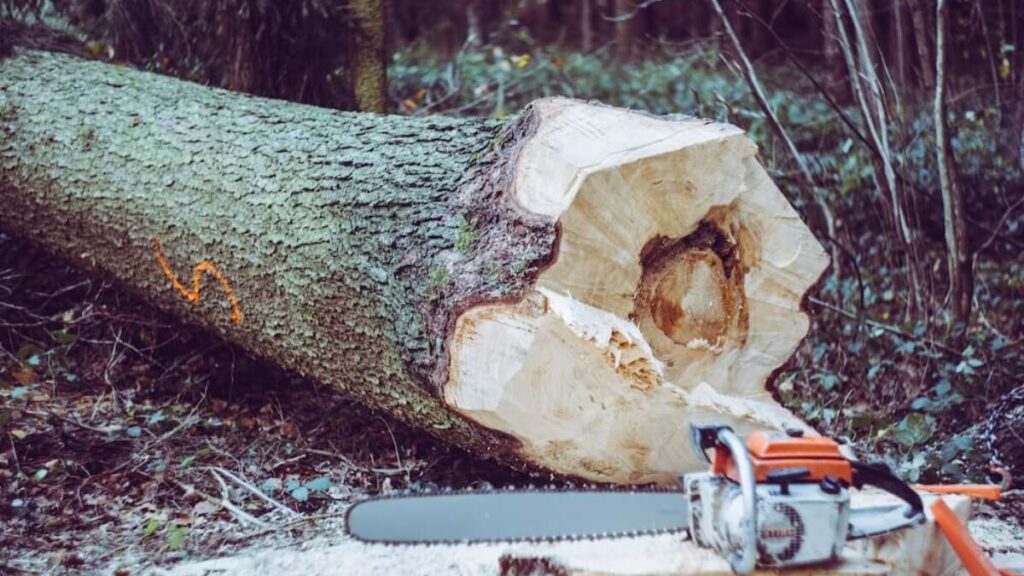
Removing a tree can also benefit the health of surrounding trees. Overcrowding can lead to competition for nutrients, water, and sunlight, which may hinder the growth of healthier trees. By selectively removing certain trees, homeowners can promote a healthier ecosystem, allowing the remaining trees to thrive. This practice not only enhances the vitality of the landscape but can also attract a diverse array of wildlife, as a balanced environment fosters various species. Furthermore, the removal of invasive tree species can create space for native flora, which is better adapted to local conditions and more beneficial to the ecosystem as a whole.

Additionally, tree removal can play a pivotal role in landscape design and aesthetics. Homeowners often seek to create a harmonious balance between their living spaces and the natural environment. By strategically removing trees that obstruct views or sunlight, one can enhance the overall beauty of the property while improving the functionality of outdoor spaces. This thoughtful approach to landscaping can increase property value and create a more inviting atmosphere for family and guests alike, making it an essential consideration for any property owner.

Types of Tree Removal Services

In the Blue Mountains, various tree removal services cater to the unique needs of rural homes. Understanding these services can help homeowners choose the right option for their situation.

Complete Tree Removal

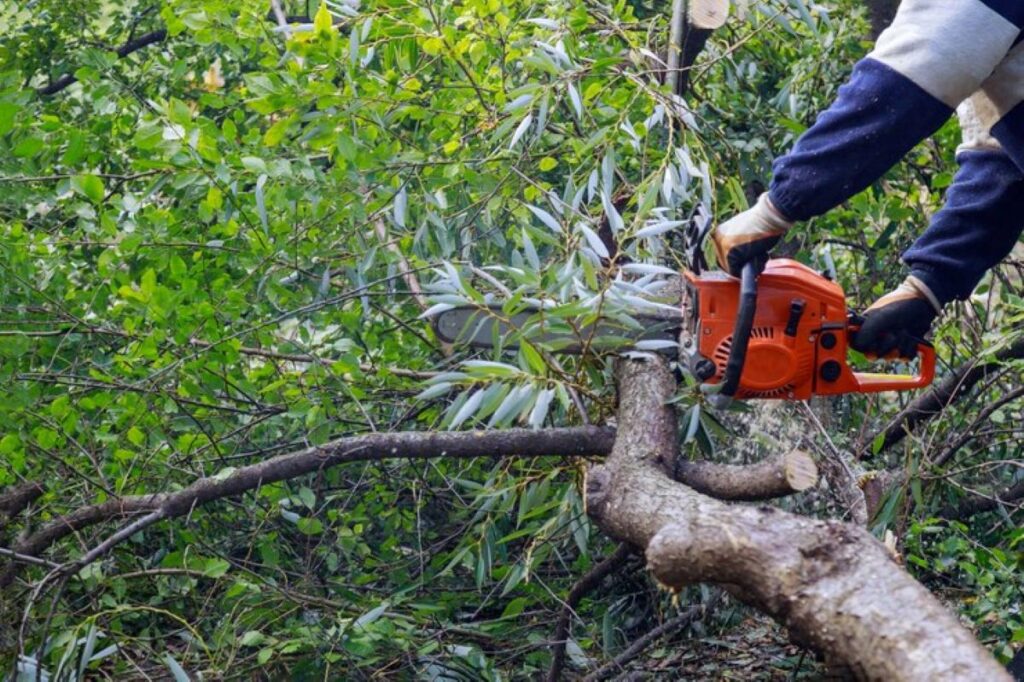
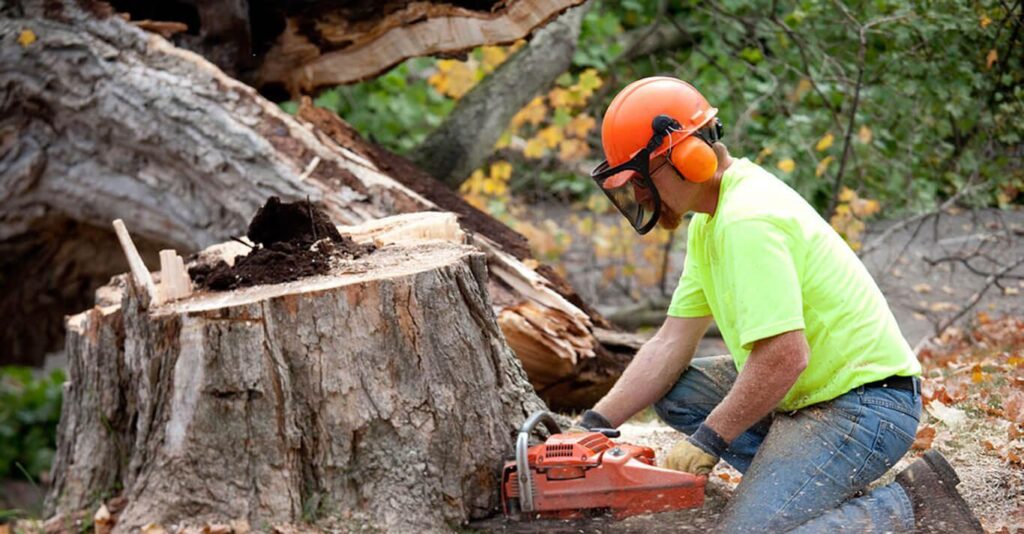
Complete tree removal involves the entire extraction of a tree, including its stump. This service is essential when a tree poses a significant risk or is no longer viable. Professionals use specialised equipment to ensure the tree is removed safely and efficiently, minimising damage to the surrounding area.

Stump Grinding

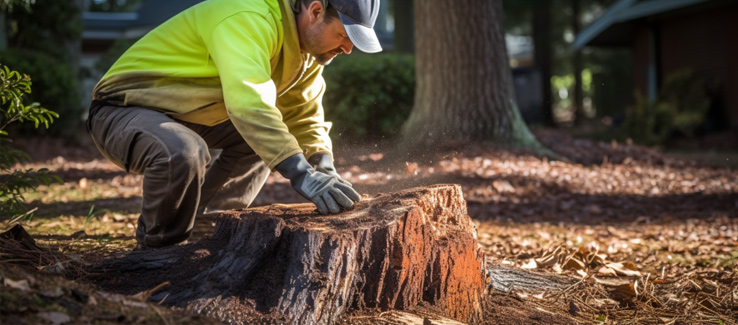
After a tree has been removed, the stump often remains, which can be an eyesore and a tripping hazard. Stump grinding is a service that involves grinding the stump down to below ground level, allowing for replanting or landscaping over the area. This process not only improves the aesthetics of the property but also prevents potential pest infestations.

Tree Pruning

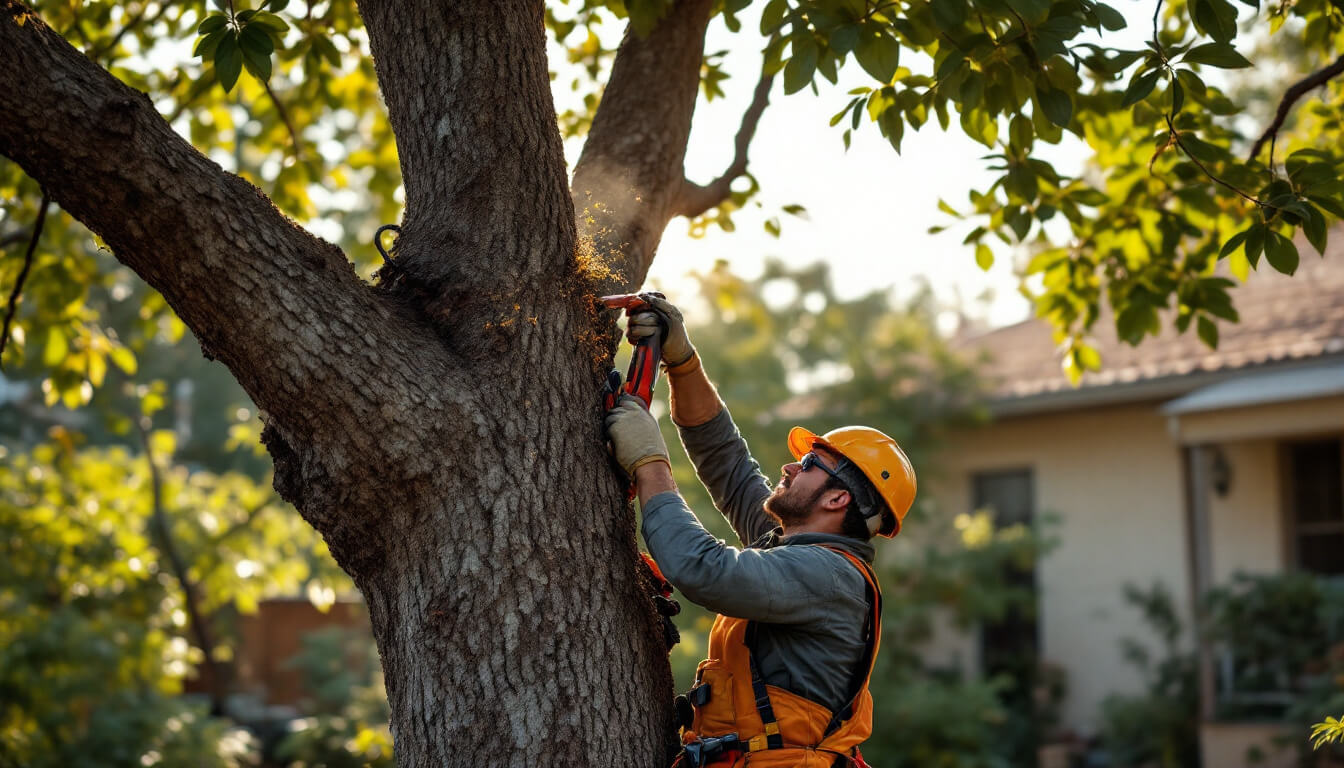
While not a removal service per se, tree pruning is an essential aspect of tree management. Regular pruning can help maintain the health of trees, promote growth, and prevent branches from becoming too heavy or overextended. This service is particularly beneficial for trees that are close to homes or power lines, as it reduces the risk of damage during storms.
Choosing the Right Tree Removal Service

When it comes to tree removal, selecting a reputable service provider is paramount. Homeowners should consider several factors to ensure they receive quality service.

Qualifications and Experience

It is crucial to choose a service with qualified and experienced professionals. Look for companies that have certified arborists on staff, as they possess the knowledge and skills necessary to assess tree health and safety accurately. Experience in the local environment, particularly in the Blue Mountains, is also beneficial, as these professionals will understand the specific challenges posed by the region’s unique climate and soil conditions.

Insurance and Safety Practices

Insurance is another critical factor. A reputable tree removal service should carry liability insurance and workers’ compensation to protect both the company and the homeowner in case of accidents. Additionally, inquire about their safety practices. The tree removal process can be hazardous, so it is essential that the company follows strict safety protocols to ensure the well-being of its workers and the surrounding environment.

Customer Reviews and Testimonials

Before making a decision, it is wise to read customer reviews and testimonials. Feedback from previous clients can provide insight into the quality of service, reliability, and overall satisfaction. Websites, social media, and local directories can be excellent resources for gathering this information.

The Process of Tree Removal

Understanding the tree removal process can help homeowners prepare for the service and manage their expectations. While the specifics may vary between companies, there are common steps involved.

Initial Consultation and Assessment

The process typically begins with an initial consultation. A professional arborist will assess the tree in question, considering its health, location, and potential risks. This assessment will help determine whether removal is necessary or if alternative solutions, such as pruning, may be more appropriate
tree removal north shore

Planning and Preparation

Once the decision to remove a tree has been made, the company will plan the removal process. This includes determining the best method for removal, considering factors such as the tree’s size, location, and proximity to structures. Homeowners should be informed about any preparations needed on their part, such as clearing the area around the tree.

Execution of Removal

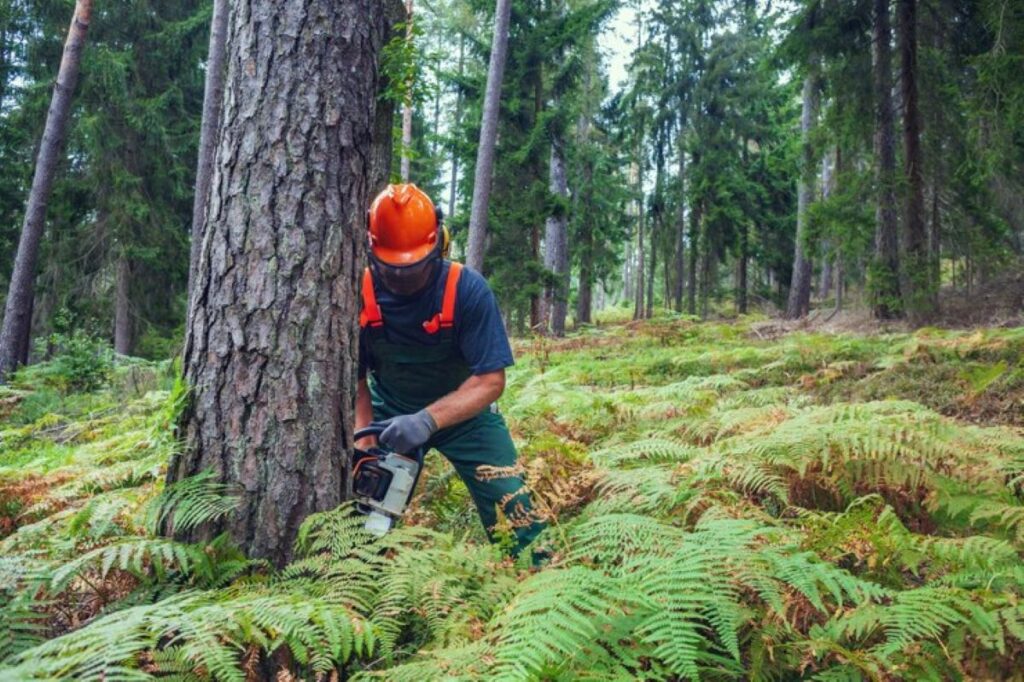
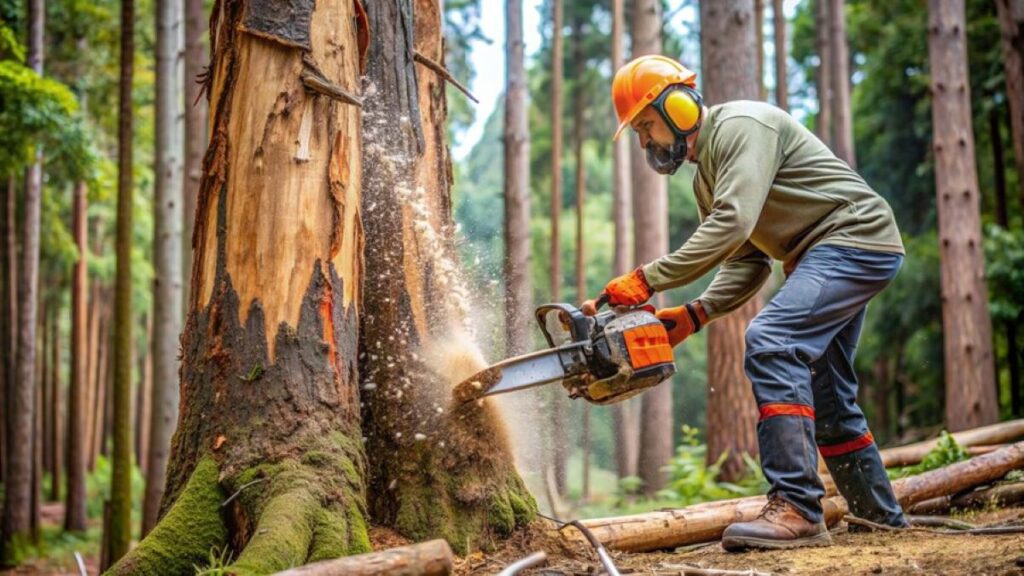
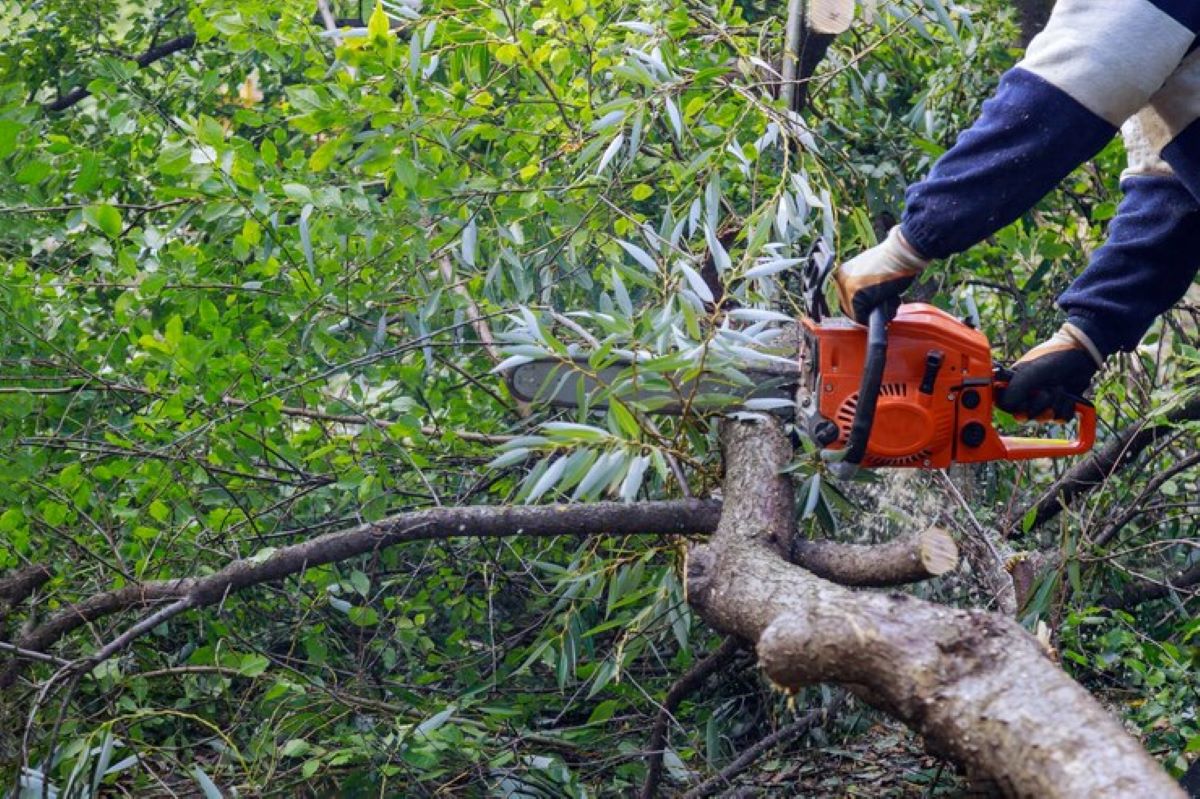
The actual removal process involves several steps, including cutting the tree down, removing branches, and grinding the stump if required. Professionals will use specialised equipment to ensure the process is safe and efficient. Homeowners can expect the area to be cleaned up post-removal, with debris and wood chips cleared away.

Environmental Considerations

Tree removal can have significant environmental implications, particularly in a biodiverse area like the Blue Mountains. Therefore, responsible tree removal services will consider the ecological impact of their work.

Responsible Practices

Many companies are committed to responsible tree removal practices. This includes assessing the surrounding ecosystem and ensuring that the removal of a tree does not negatively impact local wildlife or plant life. Some companies may offer replanting services, helping to replace removed trees with new ones, thus supporting the environment.

Permits and Regulations

In certain cases, tree removal may require permits, especially if the tree is part of a protected area or if it is a significant species. Professional services will be familiar with local regulations and can assist homeowners in navigating the necessary paperwork, ensuring compliance with environmental laws.

Costs Associated with Tree Removal

Understanding the costs associated with tree removal is essential for homeowners budgeting for this service. Various factors influence the overall price, and being informed can help in making a sound financial decision.

Factors Influencing Costs

Several factors can affect the cost of tree removal, including the size and height of the tree, its location, and the complexity of the removal process. Trees that are larger or in difficult-to-access areas may incur higher costs due to the additional equipment and labour required. Additionally, if stump grinding or other services are needed, this will also contribute to the overall price.

Obtaining Quotes

It is advisable for homeowners to obtain multiple quotes from different tree removal services. This not only provides a range of prices but also allows for comparisons in terms of services offered. When requesting quotes, ensure that they are detailed and include all potential costs to avoid any surprises later on.

Conclusion

Tree removal services in the Blue Mountains are essential for maintaining the safety and aesthetics of rural homes. Understanding the importance of tree removal, the types of services available, and how to choose the right provider can empower homeowners to make informed decisions. By prioritising safety and ecological responsibility, residents can ensure their properties remain beautiful and safe for years to come.

Whether it’s a matter of safety, health, or aesthetics, engaging professional tree removal services is a critical step in managing the unique challenges posed by the beautiful yet sometimes unpredictable environment of the Blue Mountains.

See Also: Tree Removal in the Blue Mountains to Prevent Storm-Related Hazards
Safe and Efficient Tree Removal in the North Shore: A Homeowner’s Guide

tree removal north shore

Removing trees can be a complicated endeavor, especially for homeowners living in the beautiful North Shore region. This guide aims to equip you with the knowledge necessary to navigate the tree removal process safely and efficiently. Let’s delve into the various aspects of tree removal to ensure you make informed decisions.

Understanding the Need for Tree Removal

Not every tree poses a threat to your property or safety, but there are circumstances when tree removal , in this case tree removal north shore is essential. Understanding these scenarios will enable you to act responsibly and safeguard your environment.

Identifying Potential Risks with Trees

Trees can become hazardous for several reasons. The most obvious risks include dead branches, weak root systems, and the proximity of trees to structures. Regularly inspecting your trees for signs of decay, such as peeling bark or fungal growth, can help you identify potential hazards early. If you’re located in the North Shore area and need professional assistance in assessing or managing tree risks, Click here.

Moreover, trees affected by pests or diseases can pose a risk not only to your property but also to other nearby trees. Keeping a lookout for unusual behavior in the tree canopy or the appearance of insects can save you from costly accidents down the road. For instance, the presence of wood-boring beetles can compromise the structural integrity of a tree, making it more susceptible to falling during storms or high winds. Additionally, trees that are leaning or have large cracks in their trunks are often at a higher risk of failure, especially if they are located near walkways, driveways, or homes.

Assessing Tree Health and Stability

Before considering removal, assess the overall health and structure of the tree. A healthy tree will have a robust trunk, a balanced crown, and a solid root system. You can evaluate a tree’s health through various indicators, such as leaf color and density, as well as visible signs of breaking or leaning.

In some cases, trees may look unsightly but might still be healthy. Consulting with an arborist can provide valuable insights regarding whether trimming or removal is the better course of action. Arborists are trained to recognize subtle signs of distress that may not be immediately apparent to the untrained eye. They can also recommend preventive measures, such as cabling or bracing, which can help stabilize a tree that is at risk of falling without necessitating its removal. Furthermore, understanding the specific species of your trees can also inform your decision, as some species are more resilient to environmental stressors than others.

The Legalities of Tree Removal in the North Shore

Before you take action, it’s vital to understand the legal framework surrounding tree removal, as regulations may differ from one jurisdiction to another in the North Shore area.

Local Regulations and Permissions

Many municipalities have specific rules governing tree removal, especially for trees deemed to be of significant ecological, aesthetic, or historical value. Typically, you may need to secure permission or a permit before proceeding with any removal.

To ensure compliance, check with your local government or forestry department. Familiarizing yourself with these regulations can prevent potential fines and legal troubles.

In some cases, certain trees may be protected under local ordinances, which can include species that are endangered or those that contribute to the area’s unique landscape. Understanding these protections can not only save you from legal repercussions but also help you appreciate the natural heritage of the North Shore. Engaging with local conservation groups can provide additional insights into the importance of specific trees in your community and may even offer resources for preserving them.

Environmental Considerations

Tree removal can affect local wildlife and ecosystems. For example, fallen leaves, fruits, and even the tree itself may provide critical habitat for various species. Assessing the environmental impact of tree removal can help you see the bigger picture and make more responsible choices.

By consulting environmental specialists, you can explore alternatives to removal that may promote a healthier ecosystem, such as pruning or relocating the tree. Additionally, understanding the role of trees in carbon sequestration and air quality can further emphasize the importance of maintaining a robust tree canopy. Trees not only provide shade and beauty but also play a crucial role in mitigating climate change effects. Engaging with local environmental initiatives can help you find ways to contribute positively to your community’s ecological health, ensuring that any decisions regarding tree removal are made with the utmost care and consideration for the environment.

tree removal north shore

Preparing for Tree Removal

Once you’ve decided to proceed with tree removal, preparation is essential to ensure a smooth process. This involves gathering information and ensuring the area is safe for work. Understanding the specific type of tree you’re dealing with can also help in planning the removal strategy effectively. Different species may have varying growth patterns, wood density, and potential hazards associated with their removal, so researching beforehand can provide valuable insights.

Safety Measures to Consider

Safety should always come first. Ensure you’re wearing appropriate safety gear, such as helmets, goggles, and gloves. Moreover, clear the area of any obstructions and inform neighbors about the upcoming work; it’s essential to maintain communication with those nearby during this process. It’s also wise to have a first-aid kit on hand in case of minor injuries, as well as a charged mobile phone for emergencies. Additionally, having a plan in place for potential accidents can save precious time and ensure that everyone involved knows their role in case of an unexpected situation. visit https://www.betterhealth.vic.gov.au/health/healthyliving/eye-safety-at-work to get more about eye safety at work.

Consider setting up barriers or signage to keep bystanders away, minimizing risks associated with flying debris or falling branches. It may also be beneficial to designate a safe zone where all workers can retreat to during the most hazardous moments of the removal process. This proactive approach not only enhances safety but also instills confidence among the team involved in the operation.

Necessary Equipment for Tree Removal

From chainsaws to ladders, having the right equipment will make the process significantly easier. Basic tools typically needed for tree removal include:

  • Chainsaw or handsaw
  • Loppers for pruning branches
  • Rope for guiding fallen branches
  • Stump grinder for dealing with stumps

If you’re unfamiliar with how to operate any specialized tools, consider hiring an experienced professional to avoid accidents. Additionally, it’s important to ensure that all equipment is in good working condition before starting the job. Regular maintenance checks can prevent breakdowns and mishaps during the removal process. Furthermore, reviewing the manufacturer’s instructions for each tool can provide crucial safety information and operational tips that enhance efficiency.

Beyond the basic tools, you might also want to consider additional equipment such as a wood chipper for recycling branches and debris, or a log splitter if you plan to use the wood for firewood. Having these tools at your disposal can streamline the cleanup process and minimize waste, allowing you to make the most out of the tree removal project. Being well-prepared not only facilitates a smoother operation but also contributes to a more environmentally friendly approach to tree management.

The Process of Tree Removal

Understanding the entire process of tree removal is crucial for ensuring it is done efficiently and safely. Let’s break it down step-by-step.

Step-by-Step Guide to Tree Cutting

1. *Assess and Plan:* Walk around the tree to identify potential hazards and plan your cutting angle.

2. *Prepare the Area:* Clear away any debris and mark a safe zone to stand during the cut.

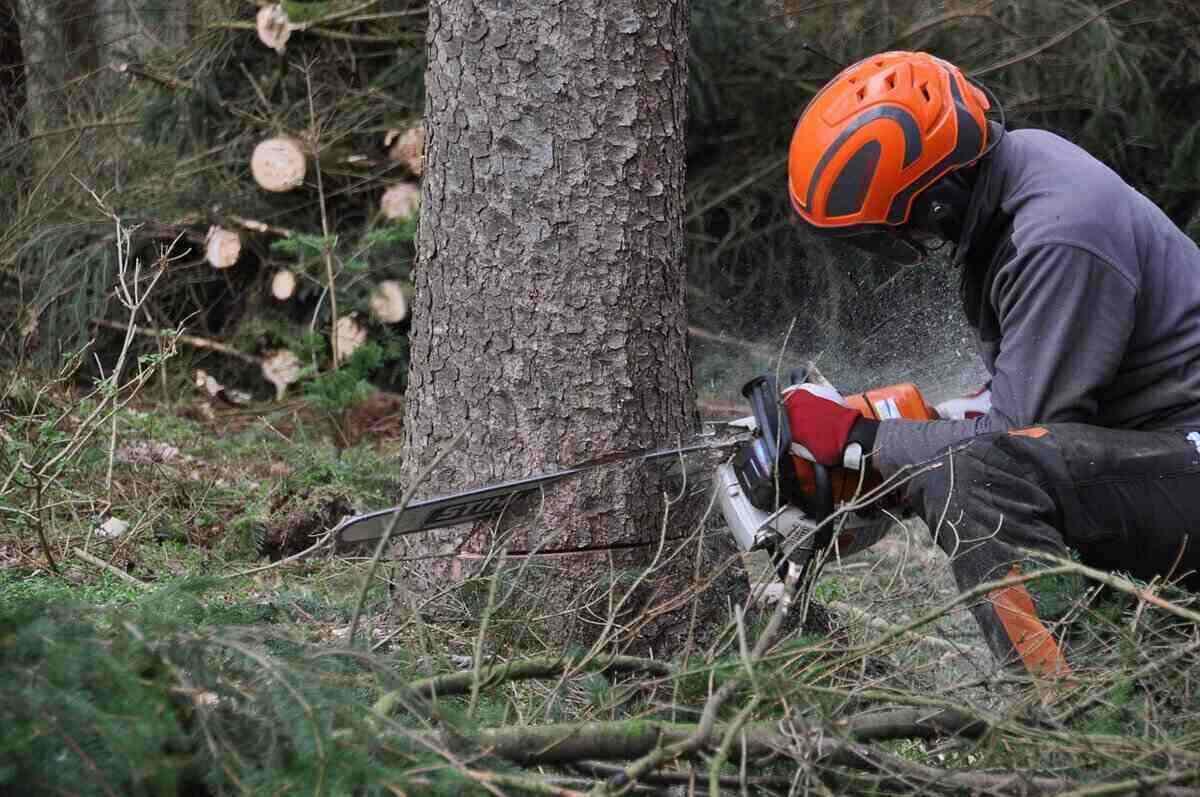
3. *Make an Undercut:* Start by creating a notch cut on the side of the tree facing the direction you want it to fall.

4. *Make the Felling Cut:* After the undercut is created, make the final cut on the opposite side, and step back as the tree begins to fall.

5. *Remove Branches and Limbing:* Once the tree is on the ground, carefully trim off branches and begin the cleanup process.

Dealing with the Stump and Debris

After the tree has been removed, you will be left with a stump and possibly a lot of debris. You have several options:

  1. *Leave the stump as is, which can attract unwanted pests.*
  2. *Grind the stump down using a stump grinder.*
  3. *Fill the area with soil and plant new vegetation.*

Each choice has its pros and cons. Consider your future yard plans and desired aesthetics when making a decision.

Hiring Professional Tree Removal Services

If the task seems daunting, it may be best to consider hiring professionals. This option not only reduces risk but ensures the job is done correctly.

tree removal north shore

Benefits of Hiring Professionals

Professional tree removal services come with a wealth of experience and expertise. They possess the necessary insurance, tools, and knowledge to handle the intricacies of tree removal efficiently.

Moreover, professionals can conduct tasks such as stump grinding and cleanup after the removal, which can save you significant time and effort.

See Also: Expert Tree Removal in the Hills District: What You Need to Know

Choosing the Right Tree Removal Service

When selecting a tree removal service, consider factors such as reviews, certifications, and their commitment to safety practices. It’s wise to request quotes from multiple companies to ensure you get the best value for your investment.

Additionally, inquire about their practice of recycling tree materials, as responsible disposal can align with environmentally-friendly efforts.

Following this guide can help you navigate the tree removal process safely and efficiently. Whether you decide to tackle the project yourself or hire a professional, understanding the underlying considerations will lead to better outcomes for you and your environment.

Expert Tree Removal in the Hills District: What You Need to Know

tree removel

When it comes to maintaining the beauty and safety of your property, professional tree removal can play a crucial role. Whether you’re dealing with a hazardous, dead, or overgrown tree, understanding the ins and outs of tree removal can help you make informed decisions. In this article, we will explore various aspects of professional tree removal in the Hills District, ensuring you’re well-prepared should the need arise.

Understanding the Importance of Professional Tree Removal

Professional tree removal Hills District is not just about cutting down a tree; it involves careful consideration of safety, health, and aesthetics. Understanding why professional tree removal is essential can save property owners both time and money in the long run. It’s crucial to recognize the potential hazards posed by trees that are diseased, damaged, or improperly situated. Trees that are too close to power lines or structures can pose significant risks, leading to power outages or property damage during storms. Additionally, trees that are infested with pests or diseases can spread these issues to healthy plants in your landscape, jeopardizing the overall health of your garden.

The Risks of DIY Tree Removal

While some homeowners may consider removing a tree themselves to save money, this can lead to serious consequences. DIY tree removal often comes with risks such as injury, damage to surrounding property, and improper disposal of the tree remains. Climbing a tree with power tools or attempting to use heavy machinery can easily lead to accidents. Furthermore, without the proper expertise, one might misjudge the weight and direction of a falling tree, resulting in damage to nearby structures or injury to pets and people. Recognizing these risks highlights the importance of hiring professionals who are trained and equipped to handle such situations safely. To understand how expert services manage these risks effectively in areas like the Hills District, you can learn more about professional tree removal solutions.

In addition to physical dangers, the legal implications of DIY tree removal should not be overlooked. Many municipalities have regulations regarding tree removal, especially for larger or protected trees. Homeowners who attempt to remove trees without proper permits may face fines or be required to replace the tree, adding unexpected costs to an already risky endeavor. This further emphasizes the need for professional services that are knowledgeable about local laws and can navigate the necessary paperwork on behalf of the property owner.

The Benefits of Hiring an Expert

Engaging a professional tree removal service provides numerous benefits. First and foremost, these experts have the necessary training to assess the condition of the tree and execute the job safely. They come equipped with the appropriate tools and technology that ensure efficient tree removal without causing unnecessary disruption to your garden or surrounding environment. Professionals can also provide valuable insights on tree health and maintenance, helping homeowners make informed decisions about their landscaping.

Moreover, hiring experts can lead to peace of mind. You’ll rest easier knowing that the job is being handled by individuals who understand how to mitigate risks, comply with local laws, and carry out the procedure in an environmentally-friendly manner. Many professional services also offer additional options, such as stump grinding and wood chipping, which can help you utilize the removed tree’s materials effectively. This not only enhances the aesthetic appeal of your property but also contributes to sustainable practices by recycling organic materials back into the landscape.

The Process of Professional Tree Removal

The tree removal process typically consists of several stages. Understanding these phases can help you know what to expect when you hire a service.

Initial Assessment and Planning

Before any physical work begins, a qualified tree removal service will perform a thorough inspection. This assessment involves evaluating the tree’s health, its proximity to structures, and any potential hazards. Based on this assessment, a strategic plan is crafted to ensure safe removal.

A well-structured plan includes considerations for the equipment needed, the method of removal, and the time frame for completion. Having a clearly outlined approach also allows for better communication between you and the service provider regarding expectations and any concerns. Additionally, the planning phase often includes discussions about the tree’s potential impact on the local ecosystem. For instance, if the tree is home to wildlife or contributes to soil stability, the removal service may suggest alternatives to complete removal, such as trimming or relocation, to preserve the environment.

Professional tree removal Hills District

Execution and Safety Measures

The execution phase is where all the planning comes to fruition. Professionals will perform the removal using established safety measures that minimize risks to both workers and the surrounding area. They might utilize harnesses, ropes, and controlled cutting techniques to ensure the tree falls in a predetermined direction.

With safety as the priority, many reputable tree removal services will also take steps to protect your landscape. They often use ground protection mats and will carefully manage falling branches to avoid damage to your lawn or garden. Furthermore, during this phase, the team will remain vigilant for any unexpected challenges, such as changes in wind direction or hidden structural issues within the tree. This adaptability is crucial, as it ensures that the removal process remains safe and efficient, while also safeguarding nearby structures and vegetation from unintended harm.

Factors Affecting the Cost of Tree Removal

Several elements can influence the cost of tree removal in the Hills District. Understanding these can help you budget appropriately for the service you need.

Size and Location of the Tree

Generally, the size of the tree plays a significant role in determining the cost. Larger trees are usually more expensive to remove due to the increased risk and the more complex equipment needed. Additionally, the location of the tree matters; trees located close to buildings, power lines, or other obstacles may require specialized techniques, thereby increasing costs.

Additional Services and Their Costs

Often, tree removal is just one part of what homeowners may need. If you require stump grinding, debris removal, or land clearing services, these will typically incur extra costs. Before hiring a service, it’s wise to discuss all potential needs and services to get a comprehensive estimate.

Legal Considerations for Tree Removal in the Hills District

When contemplating tree removal, it’s essential to understand the legalities involved. Various regulations can affect your ability to remove a tree on your property.

Local Regulations and Permits

The Hills District, like many areas, has specific regulations regarding tree removal, particularly for protected species. Obtaining the necessary permits can be a critical part of the process. Ignoring these regulations may lead to fines or legal issues.

Professional tree removal services will typically assist with navigating these regulations and can help ensure that you fulfill all requirements to avoid potential penalties.

Understanding Property Rights and Boundaries

Property rights also play a crucial role in tree removal. This involves understanding where your property ends and where your neighbor’s property begins. In some cases, trees that straddle property lines may need the coordination of both parties to remove.

Communicating openly with your neighbors about tree removal plans can prevent disputes and ensure a smoother process overall.

Professional tree removal Hills District

Choosing the Right Tree Removal Service

Finding the right service provider is vital to a successful tree removal experience. It’s important to look for certain qualities and clarify expectations.

Essential Qualities to Look for in a Service Provider

When selecting a tree removal service, consider their experience, certifications, and reputation. A proven track record coupled with positive reviews can indicate quality service. Ensure they are licensed and insured, as this protects you as a homeowner from liability in case of accidents.

Questions to Ask Before Hiring

Don’t hesitate to ask potential providers questions about their approach, safety procedures, and costs. Inquire about their experience with the specific type of removal you need and if they will handle the permits. Clear communication at this stage can save a lot of headaches later.

In conclusion, professional tree removal is a complex task requiring expertise and strategic planning. By understanding the various aspects outlined in this article, you can approach tree removal in the Hills District with the knowledge needed to protect your property and safety. Remember, choosing a reliable service provider can make all the difference in ensuring that the job is completed efficiently and safely.

More to Read : Safe and Efficient Tree Removal in the North Shore: A Homeowner’s Guide

From Stumps to Clear Ground: Effective Stump Removal Solutions in Sydney

stump grinding

Introduction

Dealing with tree stumps can be a challenging task for any property owner. Whether left from a recently removed tree or an old stump that’s been lingering for years, these unsightly remnants can become a significant nuisance. In Sydney, where tree maintenance is crucial for both aesthetics and safety, effective stump removal is essential. This guide will explore the best solutions for stump removal in Sydney, including the advantages of professional services and practical tips for a successful removal.

Why Stump Removal is Important

Stumps left behind after tree removal can cause various problems:

  • Aesthetic Issues: Stumps can mar the appearance of your landscape, making your yard look unfinished and unkempt.
  • Safety Hazards: They can be tripping hazards, especially in areas with high foot traffic.
  • Pest Infestation: Decaying stumps can attract pests such as termites, ants, and beetles.
  • Regrowth: Some stumps may sprout new shoots, which can be troublesome if not addressed.

Choosing the Right Stump Removal Method

Several methods are available for removing stumps, each with its benefits and considerations. Understanding these options can help you choose the most effective approach for your needs.

1. Stump Grinding

Stump grinding is one of the most popular methods for removing stumps. This technique involves using a specialized machine to grind the stump into small wood chips. The benefits of stump grinding include:

  • Efficiency: Stump grinding can quickly reduce a stump to mulch, making it a time-efficient option.
  • Minimal Impact: This method is less invasive than complete removal, causing less disruption to your surrounding landscape.
  • Complete Removal: The grinding process ensures that the stump is eliminated down to below ground level.

Professional Services: For the best results, consider hiring professionals who have the right equipment and expertise. In Sydney, companies such as Trees Down Under are recognised for providing professional tree removal and stump grinding services, ensuring comprehensive care for your property, including areas like the Blue Mountains.

2. Manual Removal

Manual removal involves digging out the stump using tools such as shovels, pickaxes, and a chainsaw. This method is labor-intensive and requires:

  • Physical Effort: Removing a stump manually can be physically demanding, especially for large stumps.
  • Time Consumption: This method can be time-consuming, particularly if the stump has a deep root system.
  • Equipment: You will need the right tools to handle the job effectively.

Manual removal can be effective for small to medium-sized stumps but may not be practical for larger ones.

tree removal

3. Chemical Removal

Chemical removal involves using chemicals to speed up the decomposition of the stump. This method requires:

  • Application of Chemicals: Chemicals are applied to the stump, which breaks it down over time.
  • Patience: The process can take several months to complete, depending on the size of the stump and environmental conditions.
  • Safety Considerations: Care must be taken to handle and apply chemicals safely to avoid harm to surrounding plants and wildlife.

Chemical removal is a less labor-intensive method but requires patience and proper handling of chemicals.

4. Burning

Burning is another option for stump removal, though it is less commonly used due to safety and environmental concerns. This method involves:

  • Controlled Burning: Burning the stump to reduce it to ash. This method can be effective but requires careful management to prevent wildfires.
  • Permits: You may need a permit to burn stumps, depending on local regulations.
  • Cleanup: Post-burning, there may be residual ash and debris that needs to be cleaned up.

Burning should be approached with caution and only used in appropriate conditions.

DIY Stump Removal Tips

If you choose to handle stump removal yourself, here are some tips to ensure success:

  • Assess the Stump: Determine the size and condition of the stump before deciding on a method.
  • Gather Tools: Make sure you have the necessary tools and equipment for your chosen method.
  • Safety First: Always prioritize safety by wearing protective gear and following best practices.
  • Seek Advice: If unsure about the best method, seek advice from professionals or consult online resources.
stump removal

Benefits of Professional Stump Removal Services

While DIY methods can be effective, hiring professionals offers several advantages:

  • Expertise: Professionals have the experience and knowledge to handle various stump sizes and types.
  • Equipment: They use specialized equipment that can efficiently and safely remove stumps.
  • Time Savings: Professional services can complete the job more quickly, allowing you to focus on other tasks.
  • Comprehensive Care: Professionals can also assess and address any related issues, such as pest infestations or tree health.

Conclusion

Effective stump removal is essential for maintaining the beauty and safety of your landscape. Whether you choose to handle the task yourself or hire professionals, understanding your options and the benefits of each method will help you make an informed decision. For comprehensive tree care solutions, including stump removal, consider seeking services that also address related needs, such as tree removal Blue Mountains.

Related: Top Tree Pruning Services for a Healthy Landscape.