Pest Control Termite Treatment Options for Homeowners Facing Active Activity
If you suspect that termites are actively infesting your home, it’s crucial to take immediate action. These pests can cause significant damage to wooden structures without any visible signs of their presence.
In Australia, the risk of experiencing a termite attack is high, with around 1 in 3 homes being affected at some point. What’s even more concerning is that these infestations can lead to more destruction than natural disasters like storms, fires, and floods combined. Unfortunately, most insurance policies do not cover termite damage, leaving homeowners responsible for the costs if they don’t act promptly. For effective protection, professional pest control termite treatment is essential.
As a homeowner dealing with an active termite infestation, you have several treatment options available. These include chemical barriers, baiting systems, and physical preventive measures. Each method targets specific aspects of the infestation and colony behavior. By understanding these various termite treatment options, you can make informed decisions about how to best protect your property.
The key to effective pest control for homeowners is taking quick action. By intervening early on, you can prevent colonies from causing further damage and avoid expensive repairs down the line. It’s important to have a professional assessment done to determine which combination of treatments will work best for your particular situation.
What Are the Risks of Active Termite Activity for Homeowners?
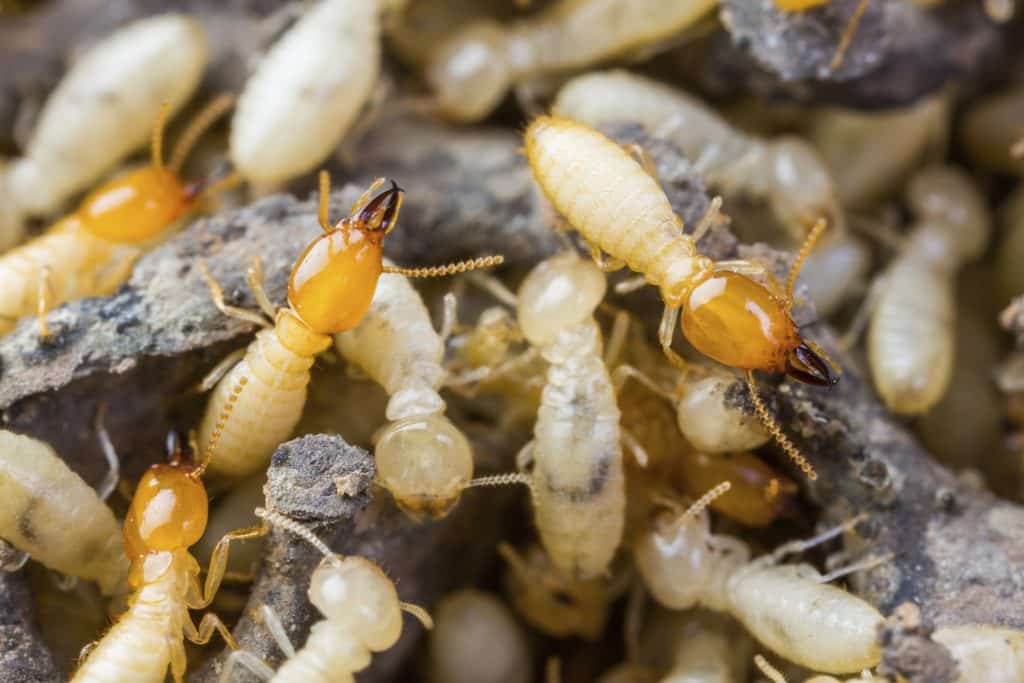
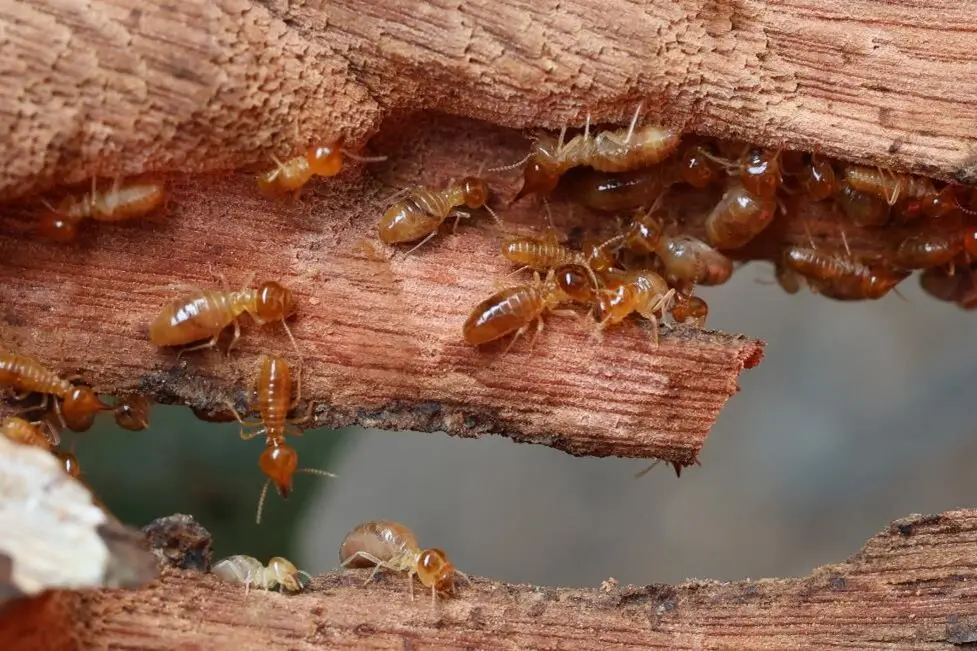
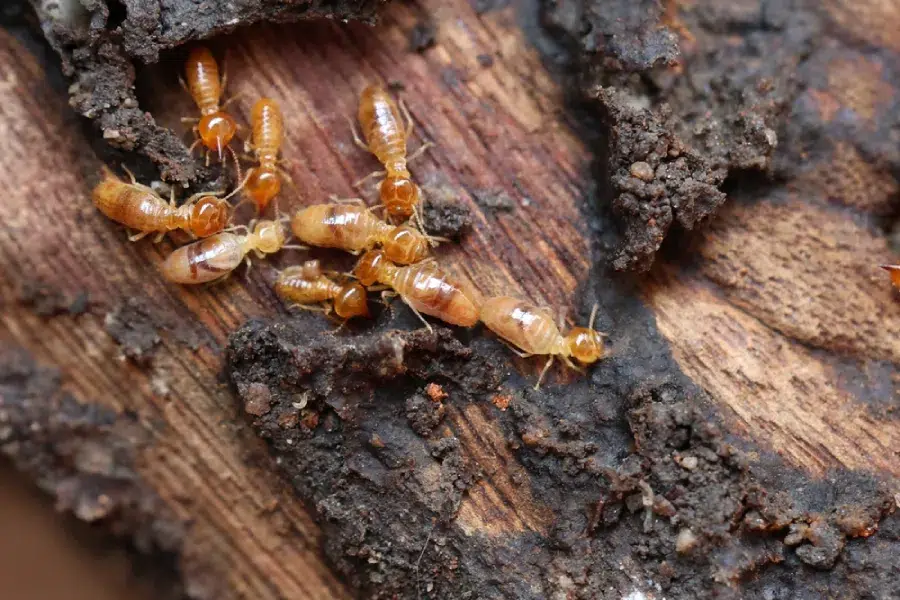
Active termite infestations pose severe termite damage risks that threaten both the structural integrity and financial value of residential properties. These silent destroyers consume timber from the inside out, leaving walls, floors, and support beams hollow while maintaining an intact exterior surface that masks the devastation beneath.
The scale of the threat becomes clear through Australian statistics: approximately 1 in 3 homes will experience termite attacks during their lifetime. This widespread vulnerability makes termites more destructive than storms, fires, and floods combined when measured by total property damage costs.
The structural damage extends beyond visible timber elements. Termites infiltrate:
- Load-bearing wall studs and ceiling joists
- Wooden floor frames and subflooring
- Door frames, window sills, and architraves
- Roof trusses and eave structures
- Even paper-based materials like drywall backing
Untreated infestations create cascading financial consequences. The property value impact manifests through mandatory disclosure requirements during sales, with many potential buyers withdrawing offers upon discovering termite history. Real estate transactions become complicated as lenders may refuse mortgages on properties with active or recent termite activity until comprehensive treatment and repairs are completed.
Insurance policies typically exclude termite damage from coverage, classifying it as preventable maintenance rather than an insurable event. Homeowners bear the full financial burden of repairs, which can reach tens of thousands of dollars depending on infestation severity and structural compromise.
How Can Homeowners Detect Active Termite Infestations Early?
Scheduling professional inspections at least once a year is the most reliable way to catch termite problems before they cause extensive damage. Licensed pest control technicians have specialized knowledge to spot subtle signs that untrained eyes usually miss. They examine vulnerable areas where termites commonly enter.
Homeowners can also look out for several visual warning signs between professional visits:
- Mud tubes running along foundation walls or wooden beams
- Hollow-sounding timber when tapped
- Discarded wings near windowsills or door frames
- Bubbling or peeling paint that looks like water damage
- Small pinholes in drywall or plasterboard
- Frass (termite droppings) appearing as fine sawdust piles
Thermal imaging technology, which has changed the game when it comes to detecting termites, is one of the advanced tools used by professionals. This non-invasive tool identifies moisture patterns and heat signatures associated with active colonies without causing any damage. Infrared cameras are used to detect the metabolic heat generated by large termite populations, allowing us to pinpoint exactly where the infestation is located. More about this innovative approach can be found in this comprehensive guide on thermal imaging for home inspections.
Acoustic sensors are another useful tool that work alongside visual and thermal inspections. These sensors can pick up the sounds of termites chewing through timber. By using these advanced termite detection methods, pest control professionals can create accurate maps of colony activity, determine how severe the infestation is, and decide on the best treatment approaches before any structural damage occurs.
What Chemical Treatment Options Are Available to Combat Termites?
Chemical termiticides create protective zones around properties by forming barriers that kill termites on contact or through ingestion. These treatments remain the most widely used Pest Control Termite Treatment Options for Homeowners Facing Active Activity, offering fast-acting results when colonies threaten structural integrity.
1. Foundation Treatment
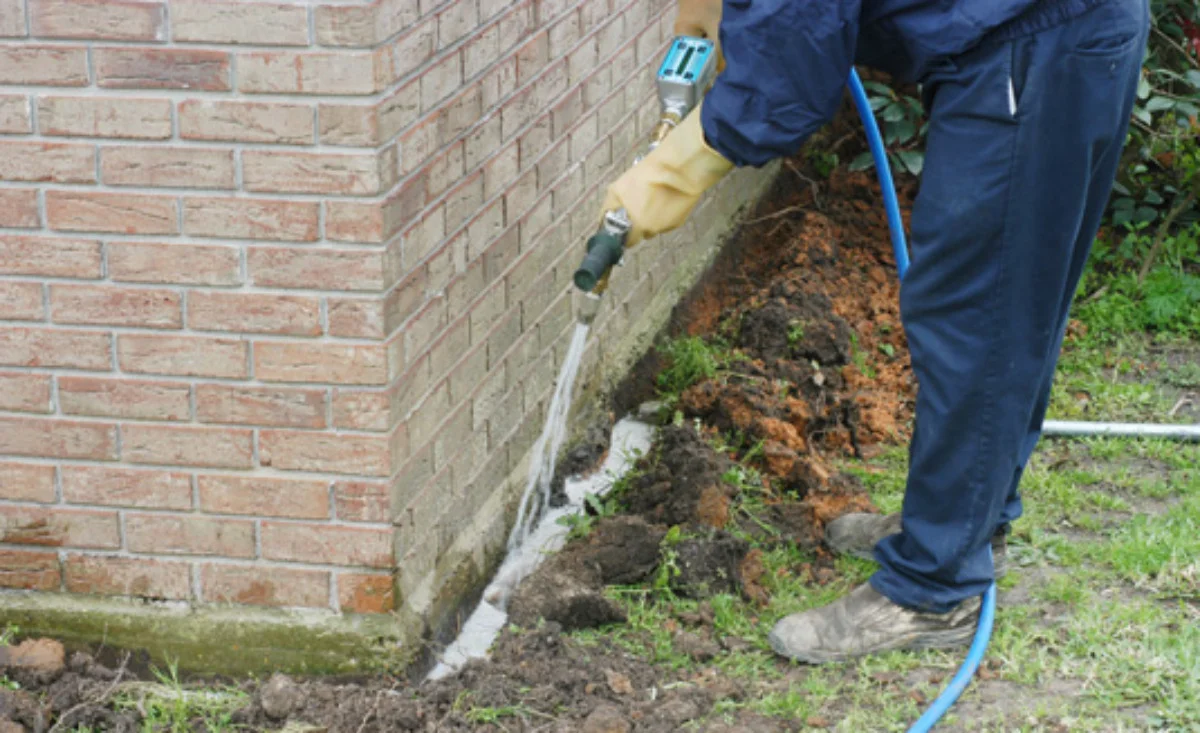
Foundation treatment involves applying liquid termiticides to the soil surrounding a home’s perimeter, creating a continuous chemical barrier that prevents termites from entering. Pest control professionals inject these solutions into the ground at regular intervals, ensuring complete coverage around concrete slabs, footings, and penetration points where pipes and cables enter the building.
2. Wood Treatment
Wood treatment targets infested timber directly, with technicians drilling into affected areas to inject termiticides deep into galleries where termites feed. This method delivers immediate elimination of active colonies within treated structures, stopping damage progression within days.
The benefits include rapid colony knockdown and long-lasting protection lasting 5-8 years when applied correctly. Chemical barriers work particularly well against Australia’s most destructive species, including Coptotermes acinaciformis.
Limitations exist with chemical termiticides requiring professional application to ensure AS3660.2 compliance and proper dosage. Treated zones can be disrupted by landscaping, renovations, or soil movement, creating gaps that termites exploit. Some homeowners prefer alternatives due to concerns about chemical exposure near living spaces, though modern formulations significantly reduce environmental impact compared to older products.
How Do Baiting Systems Work as a Termite Control Method?
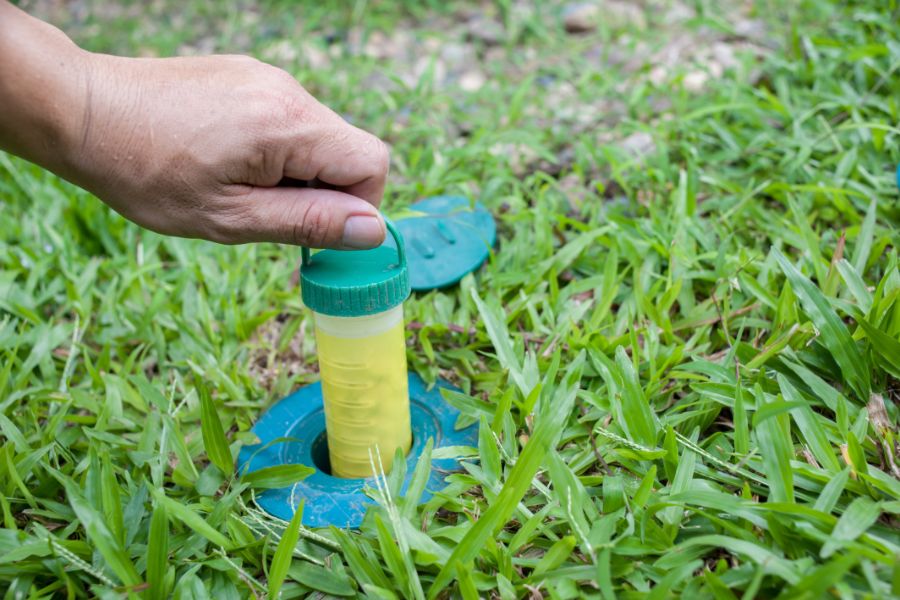
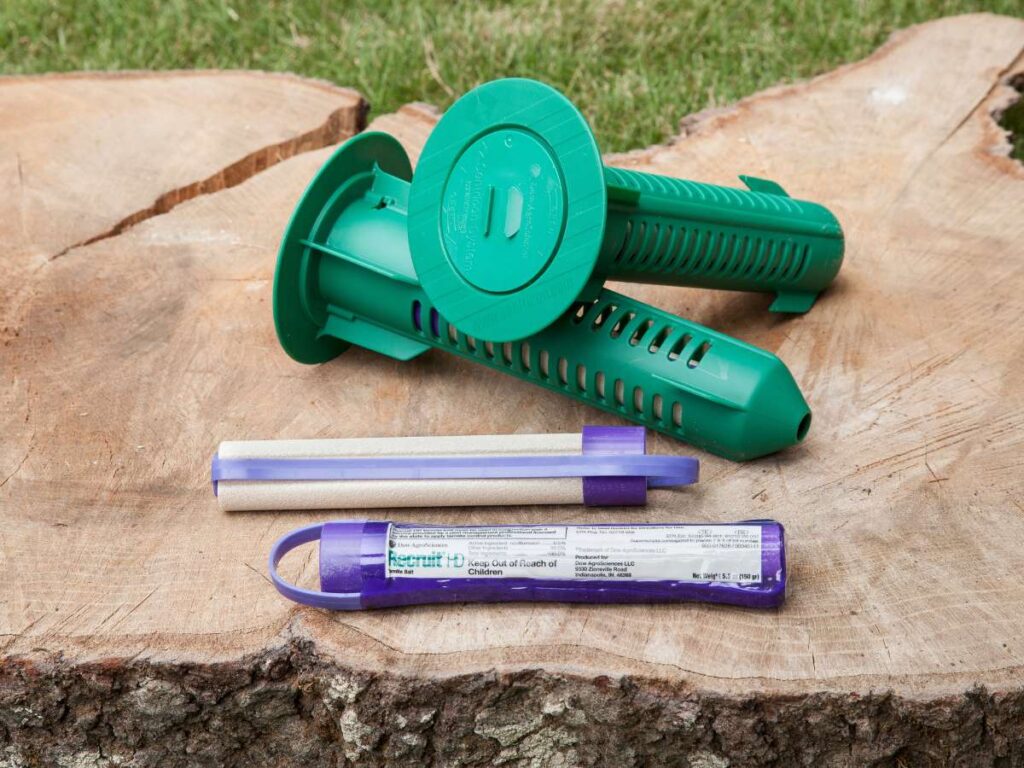
Termite baiting systems establish monitoring stations around a property’s perimeter that attract foraging termites to cellulose-based food sources laced with slow-acting toxins. Pest control professionals install these stations at strategic intervals, typically every 3-4 meters, where termites are likely to encounter them during their search for timber.
The process begins when worker termites discover the bait and carry it back to their nest, sharing it with colony members through feeding behaviors. This creates a cascading effect throughout the termite population, including the queen and reproductive members essential for colony elimination. The gradual nature of this method—often taking 8-12 weeks—ensures termites don’t detect the threat and abandon the bait stations.
Eco-friendly termite control through baiting systems offers distinct advantages over traditional chemical barriers:
- Targeted application: Only affects termites that consume the bait, minimizing environmental contamination
- Reduced chemical volume: Uses significantly less toxic material compared to soil treatments
- Safe for pets and children: Enclosed stations prevent accidental exposure to household members
- Monitoring capability: Regular station checks provide ongoing intelligence about termite activity patterns
The baiting approach proves particularly effective when combined with professional inspections, as technicians can adjust station placement based on termite movement patterns and environmental conditions specific to your property’s risk profile.
What Role Do Physical Barriers Play in Termite Prevention?
Physical termite barriers create a permanent defensive line between soil-dwelling termites and your home’s timber structures. These barriers work by forcing termites into visible locations where they can be detected during inspections, rather than allowing concealed entry through cracks in concrete slabs or foundations.
Types of Physical Barriers
Two main types protect homes:
- Stainless steel mesh barriers – Fine-gauge mesh installed beneath and around building perimeters during construction, with holes too small for termites to penetrate
- Graded stone barriers – Layers of specially sized crushed rock particles that termites cannot tunnel through or move aside
Importance of Physical Barriers in Termite Prevention
The prevention of subterranean termites heavily relies on these systems, especially in high-risk regions. Greater Sydney and Brisbane experience particularly aggressive termite species like Coptotermes acinaciformis, which build massive underground colonies and travel through soil to reach food sources. The warm, humid climate in these areas creates ideal conditions for year-round termite activity. In such scenarios, implementing effective physical barriers becomes crucial.
Effectiveness of Physical Barriers
The most effective building construction protection occurs when barriers are installed during the initial construction phase, integrated directly into the foundation design. While retrofitting existing homes remains possible through perimeter excavation, this process costs more and requires careful installation around existing structures. However, it’s important to note that physical barriers last decades without degradation, unlike chemical treatments which require reapplication every 5-8 years. For more insights into the longevity and effectiveness of these barriers, refer to this comprehensive study on the subject.
In conclusion, understanding the role and types of physical barriers can significantly enhance your strategy for termite prevention. By creating an impenetrable barrier between your home and potential termite threats, you can safeguard your property effectively. You may visit https://jandjacres.net/pest-and-termite-control-solutions-designed-for-sydneys-climate/ to learn about pest and termite control solutions designed for sydney’s climate
When Should Homeowners Consider Emergency Termite Treatments?
Homeowners should consider emergency termite treatments when they find active colonies causing visible damage or when termites swarm inside their property. Signs of an urgent need for pest control action include live termites coming out of walls, mud tubes being built, or timber that sounds hollow.
Infestation Containment
The process of containing the infestation begins within 24-48 hours of discovery. Pest control professionals use direct chemical treatments on active termite galleries, creating immediate kill zones that stop further spread. Technicians find entry points and seal them while treating all accessible timber in the affected areas. This quick response limits the colony’s ability to move deeper into the structure.
The steps involved in infestation containment are:
- Immediate inspection of all accessible areas to determine the extent of the infestation
- Application of fast-acting termiticides to active termite workings
- Installation of monitoring stations around the property perimeter
- Documentation of affected areas for insurance and repair planning
Structural Damage Assessment
After the initial treatment, a licensed building inspector will assess any damage caused by termites within one week. They will evaluate compromised timber, load-bearing elements, and hidden cavities using moisture meters and probing tools. This assessment will help determine whether repairs require simple timber replacement or extensive structural reinforcement.
Repair Planning
Repair planning will be coordinated with pest control schedules to ensure that all termite activity has been eliminated before contractors begin restoration work. Homeowners will receive detailed reports outlining the severity of the damage, estimated repair costs, and timelines for making the property safe and livable again.
Are There Eco-Friendly Termite Treatment Alternatives Available?
Eco-friendly pest control methods now deliver powerful termite protection without compromising environmental health. Modern sustainable termite treatments target colonies effectively while minimizing chemical exposure to soil, waterways, and surrounding ecosystems.
Baiting Systems
Baiting systems represent one of the most environmentally conscious approaches available. These stations use minimal amounts of active ingredients that termites carry back to their colonies, eliminating entire populations with significantly less chemical usage than traditional barrier treatments. The targeted nature means non-target organisms remain largely unaffected.
Heat Treatment
Heat treatment offers a completely chemical-free alternative for localized infestations. Pest control professionals use specialized equipment to raise temperatures in affected areas to levels lethal for termites (typically 50-60°C), destroying colonies without introducing any substances into the environment.
Botanical-Based Termiticides
Botanical-based termiticides derived from natural sources like orange oil (d-limonene) and neem oil provide another green option. These plant-extracted compounds break down more rapidly in the environment compared to synthetic chemicals while still delivering effective termite control.
Physical Barriers
Physical barriers made from stainless steel mesh or graded stone particles create long-lasting protection without any chemical application. These mechanical solutions prevent termite entry through purely physical means, making them ideal for homeowners prioritizing chemical-free approaches.
Many accredited pest control services now integrate these sustainable methods into comprehensive management plans, balancing environmental responsibility with proven termite elimination results.
How Do Integrated Termite Management Plans Benefit Homeowners?
Integrated termite management delivers superior protection by combining multiple treatment methods rather than relying on a single approach. These tailored pest control strategies address the specific conditions of each property, considering factors like infestation severity, building construction, and regional termite species prevalence.
A comprehensive plan typically layers several defenses:
- Chemical barriers around the foundation provide immediate protection against new termite entry
- Baiting systems target existing colonies and prevent future establishment
- Physical barriers block subterranean access points permanently
- Regular inspections monitor treatment effectiveness and detect any new activity
The customization proves particularly valuable in high-risk regions like Greater Sydney and Brisbane, where aggressive species such as Coptotermes acinaciformis require more intensive management. Properties in these areas benefit from year-round monitoring combined with preventative treatments adjusted for seasonal activity patterns.
This multi-layered approach reduces the likelihood of treatment failure. If termites bypass one defense mechanism, additional barriers remain in place to intercept them. The strategy also allows pest control professionals to adjust treatments based on ongoing monitoring results, ensuring resources target areas of highest risk.
Homeowners gain long-term cost savings through prevention rather than reactive treatments. Catching infestations early through scheduled inspections costs significantly less than repairing extensive structural damage from undetected colonies.
In addition to these ongoing management strategies, it’s also crucial to consider termite prevention approaches for new construction which can significantly reduce the risk of future infestations. Implementing pre-construction subterranean termite control measures can further enhance the effectiveness of an integrated termite management plan, providing homeowners with an additional layer of security against these destructive pests.
Why Is It Important to Use Accredited Pest Control Services?
Accredited pest control services guarantee treatments meet Australian Standard AS3660.2, which sets strict protocols for termite management effectiveness and safety. This compliance ensures technicians use approved methods, proper chemical application rates, and follow safety procedures that protect both occupants and the environment during treatment.
Non-accredited operators may cut corners with substandard products or improper application techniques that fail to eliminate colonies completely. AS3660.2 compliance requires:
- Documented treatment records showing chemical types, concentrations, and application areas
- Licensed technicians trained in current termite biology and control methods
- Quality assurance processes including follow-up inspections to verify treatment success
- Appropriate safety measures for chemical handling and disposal
Certified professionals also provide access to timber damage insurance on qualifying treatment plans. This coverage protects homeowners from repair costs if termites return within the warranty period, offering financial security that DIY treatments cannot match.
When evaluating pest control termite treatment options for homeowners facing active activity, accreditation serves as verification of expertise. Qualified services understand regional termite species behavior, particularly aggressive varieties like Coptotermes acinaciformis, and adjust treatment strategies accordingly. They also maintain current knowledge of emerging treatment technologies and product innovations that improve control outcomes.
Choosing accredited providers means receiving comprehensive documentation essential for property sales, insurance claims, and warranty activation should future termite issues arise.
What Should Buyers Know About Pre-Purchase Termite Inspections?
A pre-purchase termite inspection protects buyers from inheriting expensive structural problems that sellers may not disclose. Professional inspectors examine the property for active colonies, past damage, and conditions that attract termites before the sale finalizes.
Hidden termite problems prevention starts with understanding what inspectors evaluate during these assessments:
- Active termite presence in walls, subfloors, roof spaces, and around foundations
- Previous termite damage to structural timber that may compromise building integrity
- Moisture issues from leaking pipes, poor drainage, or inadequate ventilation that create ideal termite habitats
- Conducive conditions such as timber-to-ground contact, stored wood near buildings, or dense garden mulch against walls
Buyers who skip this inspection risk discovering infestations after settlement, facing repair bills ranging from thousands to tens of thousands of dollars. Properties with concealed termite damage often require extensive timber replacement, foundation repairs, and ongoing treatment plans.
The inspection report provides negotiating power—buyers can request repairs, price reductions, or mandatory treatments as sale conditions. Some properties with severe infestations may not qualify for standard home loans until termite issues are resolved.
Professional inspectors use thermal imaging cameras and moisture meters to detect activity behind walls and under floors where visual checks cannot reach. This technology reveals termite movement patterns and moisture accumulation that signals potential colonies nearby.
Conclusion
If you notice active termites in your home, it’s important to act quickly and strategically to protect your home’s structure and value. There are various pest control options available for homeowners dealing with active termite activity, including chemical barriers, baiting systems, physical defenses, and emergency interventions. Each of these methods has a specific role in providing comprehensive protection against termites.
Instead of relying on a single solution, it’s more effective to combine multiple approaches. Regular professional inspections are crucial for effective termite management as they can identify hidden colonies before they cause significant damage. These scheduled assessments, along with tailored treatment methods that consider your property’s risk factors and local termite species, create a strong long-term defense against termites.
Homeowners in high-risk areas like Greater Sydney and Brisbane can benefit the most from integrated management plans that adapt to seasonal changes and environmental conditions. By engaging accredited pest control services, you can ensure that treatments meet industry standards while also potentially qualifying for timber damage insurance coverage.
To protect your home from termites, it’s essential to stay committed to inspection schedules, preventive measures, and prompt action when you detect any activity. This proactive approach will help safeguard your property investment and give you peace of mind.