Pest and Termite Control Solutions Designed for Sydney’s Climate
Why Sydney’s Climate is Perfect for Pests and Termites
Sydney’s humid subtropical climate creates a year-round breeding ground for pests and termites. The combination of warm temperatures, moisture, and mild seasonal variations provides optimal survival conditions for numerous pest species.
Factors Contributing to Pest Infestation in Sydney
Several interconnected environmental factors contribute to the thriving population of Pest and Termite Control in Sydney:
- Warm summers: Temperatures regularly exceeding 26°C accelerate pest reproduction cycles.
- Mild winters: Rarely dropping below 8°C, mild winters prevent seasonal die-offs that occur in colder climates.
- Irregular rainfall patterns: These create moisture pockets in walls, foundations, and soil.
- Periodic heatwaves: During heatwaves, pests seek refuge indoors where they can find water and cooler shelter.
- Coastal temperature moderation: This helps maintain consistent humidity levels throughout the year.
Common Pests Found in Sydney
The above-mentioned factors create a suitable environment for various pests to thrive in Sydney:
- Ants: They establish massive colonies in gardens and find their way into homes through tiny cracks.
- Cockroaches: These insects multiply rapidly in kitchens and bathrooms where warmth and moisture are present.
- Spiders: Including the dangerous funnel-web and redback species, spiders flourish in the city’s gardens and storage areas.
- Rodents: Seeking shelter during extreme temperatures, rodents make their homes in roof cavities and wall voids.
How Sydney’s Climate Affects Termite Activity
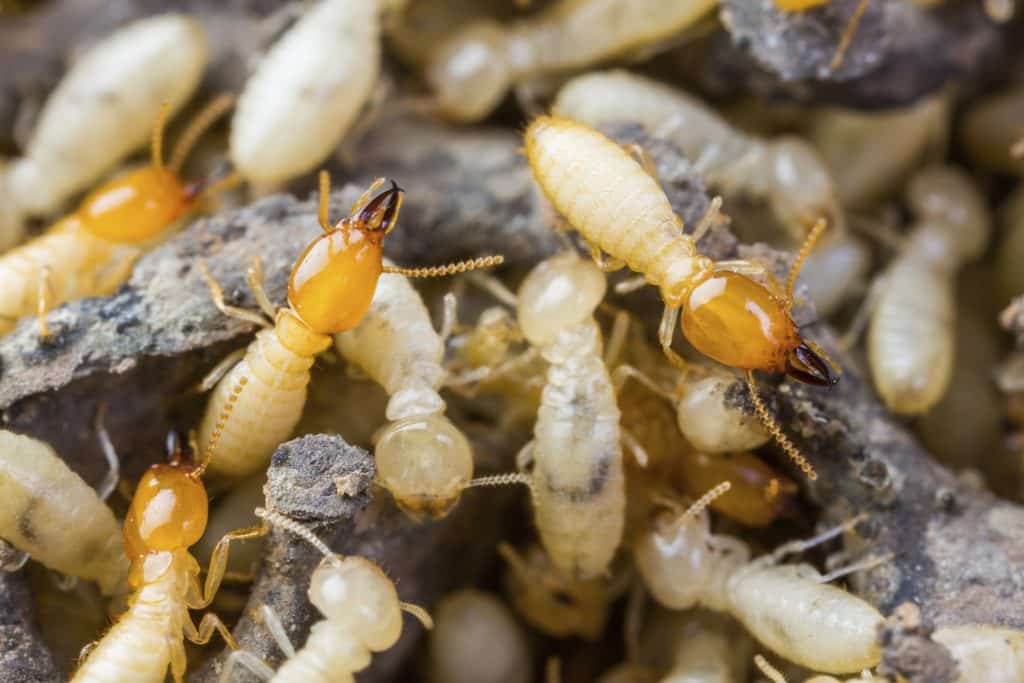
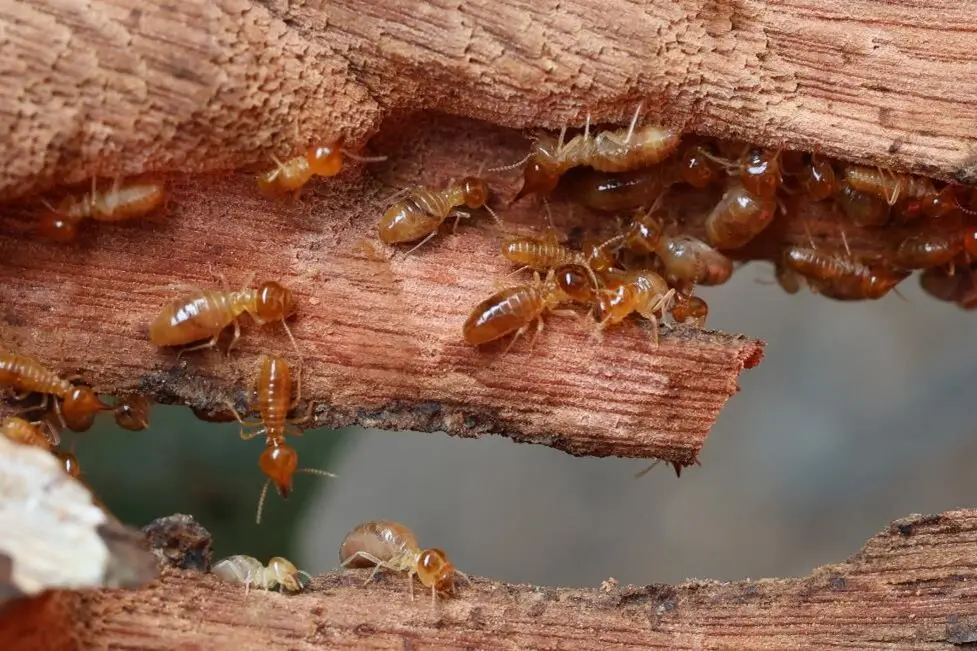
The climate’s persistent humidity also leads to increased termite activity in Sydney. Subterranean termites rely on moisture for survival, and the average humidity levels of 60-70% in Sydney provide ideal conditions for their colonies to expand. Dampwood termites target timber that has been damaged by moisture, while drywood species attack sound wood in well-ventilated areas.
The Impact of Humidity on Termite Behavior
There is a direct link between humidity levels and termite behavior:
- Moisture in the soil allows termites to build mud tubes that connect their underground colonies to timber food sources.
- Condensation inside wall cavities creates hidden areas with moisture where termites can feed undetected for long periods.
- Issues such as leaking pipes, poor drainage systems, and inadequate ventilation worsen the problem by keeping moisture levels high.
How Geography Plays a Role
Sydney’s geography further amplifies the effects of its climate on pests and termites:
- Properties situated near waterways experience higher exposure to humidity.
- Homes with established gardens provide termites with cellulose-rich mulch and decaying wood as food sources.
- The city’s sandstone foundations retain moisture, creating pathways for termite infiltration into buildings.
Common Pests Found in Sydney Homes and Businesses
Sydney properties are home to various pest species that have adapted to the city’s humid subtropical conditions. Here are some of the most common pests that Sydney residents and business owners encounter:
1. Ants
Two types of ants that frequently invade homes in Sydney are black house ants and Argentine ants. These ants are attracted to food sources and moisture within houses, making kitchens and bathrooms prime targets. They establish large colonies consisting of thousands of individuals, which makes it difficult to completely eliminate them without professional help.
2. Cockroaches
Cockroaches are another major pest problem in Sydney. Homeowners often struggle with these insects throughout the year. German cockroaches prefer warm, humid indoor spaces such as kitchens and bathrooms, while American and Australian cockroaches typically live outdoors but can move inside when necessary. These pests reproduce quickly, with a single female German cockroach capable of producing up to 400 offspring during her lifetime.
3. Spiders
Sydney is also home to various spider species, some of which can be dangerous and require immediate attention. Funnel-web spiders, particularly the Sydney funnel-web, pose serious health risks due to their venomous bites. Redback spiders commonly build nests in sheltered outdoor areas like garden sheds, letterboxes, and underneath outdoor furniture. Both spider species thrive in Sydney’s climate and need specialized removal methods.
4. Rodents
Infestations involving rats and mice can cause significant damage to properties as these rodents gnaw on electrical wiring, insulation, and structural materials. It’s important to address rodent problems promptly to prevent further destruction.
5. Bed Bugs
Bed bugs have made a comeback in Sydney homes, hotels, and accommodation facilities. These pests feed on human blood during the night and leave itchy welts behind as evidence of their bites.
6. Wasps and Bees
Wasps and bees often build nests in roof cavities, wall voids, or garden areas. Their presence can pose stinging hazards to residents if the nests are disturbed.
7. Flies
Flies can be a nuisance in both residential and commercial settings. They have the ability to transfer pathogens from waste materials onto food surfaces, potentially leading to contamination.
Commercial Pest Challenges
Certain industries face intensified pest challenges where maintaining hygiene standards and ensuring customer safety is critical.
- Hospitality venues such as restaurants, cafes, and hotels must consistently uphold pest-free environments since even a single sighting can harm reputations or result in health department violations.
- Healthcare facilities need strict pest control protocols in place to protect vulnerable patients from disease transmission.
Health Risks Associated with Pests
The risks posed by pests extend beyond property damage or discomfort caused by their presence.
- Cockroaches carry bacteria responsible for salmonella food poisoning; additionally their droppings/shed skin may trigger asthma attacks/allergic reactions.
- Rodent droppings contaminate surfaces used for food preparation/storage leading spread diseases including leptospirosis.
- Flies transferring pathogens from waste onto food items could potentially cause illnesses when consumed by unsuspecting individuals.
How Are Pest Inspections Conducted to Suit Sydney’s Environment?
Pest inspections professionals in Sydney conduct thorough assessments that take into account the city’s humid subtropical conditions. They focus on areas prone to moisture where termites and other pests usually establish colonies. These inspections involve examining subfloors, roof voids, wall cavities, and outdoor timber structures where Sydney’s humidity levels create ideal breeding grounds.
Using Technology for Detection
Licensed technicians use thermal imaging pest control cameras to identify temperature differences behind walls and beneath floors that indicate termite activity. These infrared devices can detect the heat emitted by active termite colonies without the need for invasive drilling or causing any structural damage. This technology is especially useful in older homes in Sydney with weatherboard construction and properties located near bushland where termite pressure remains constant. You may visit https://jandjacres.net/pest-control-termite-treatment-options-for-homeowners-facing-active-activity/ to learn about pest control termite treatment options for homeowners facing active activity
Moisture meters are used alongside thermal imaging to measure humidity levels in timber and building materials. The irregular rainfall patterns in Sydney create areas of dampness that attract subterranean termites, and these devices help pinpoint the exact locations where moisture accumulation occurs. Technicians then map these readings to identify vulnerable areas that require immediate attention or preventative treatment.
Expanding Detection Methods
Termite detection tools go beyond visual assessments and include acoustic sensors that can pick up the sounds of termites chewing through timber. In multi-story buildings and heritage properties in Sydney, these listening devices are able to detect infestations in hard-to-reach spaces where traditional inspection methods may not be effective.
Adapting Inspection Schedules
Regular inspection schedules are adjusted based on Sydney’s seasonal pest patterns, with increased frequency during the warmer months when termite activity is at its highest. Properties located near water sources, bushland, or with a previous history of termite issues receive quarterly assessments, while standard residential properties benefit from annual professional inspections.
Preventing Costly Repairs
Early detection through systematic inspections helps prevent minor pest problems from turning into expensive structural repairs. In Sydney’s warm climate, a single termite colony can consume several kilograms of timber each week, making it crucial to identify them in a timely manner for the protection of properties. Digital documentation during inspections creates baseline records that track changes over time and inform targeted treatment strategies.
What Treatment Methods Are Effective Against Pests in Sydney’s Climate?
Pest treatment Sydney providers use specific methods that target the unique behaviors and weaknesses of local pest species. The humid subtropical conditions require treatments that stay effective despite moisture, temperature changes, and the constant activity of many pests throughout the year.
Termite Colony Eradication
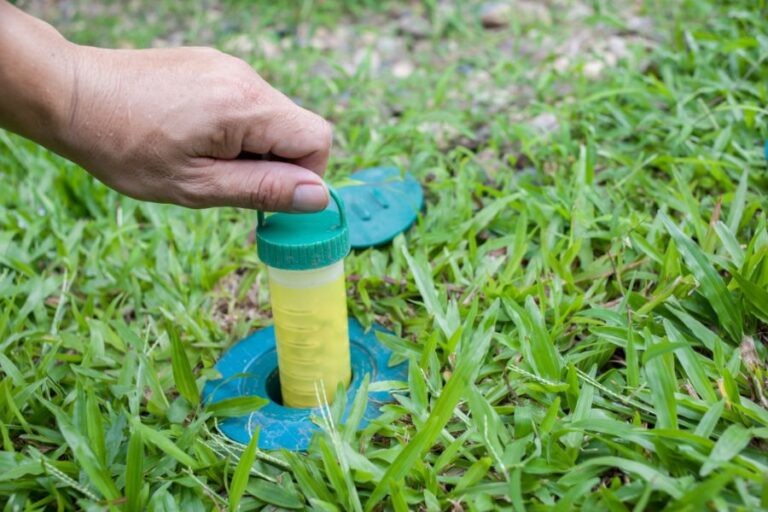
Termite treatment methods focus on completely eliminating the colony instead of just controlling the surface level. Baiting systems attract termites to eat treated materials, which workers then bring back to the colony, spreading the treatment throughout the entire population. Chemical barrier treatments create protective zones around structures, stopping termites from getting into buildings. Dusting techniques apply fine particles directly into termite galleries, ensuring the substance spreads through physical contact as termites move through their tunnels.
Low-Toxicity Solutions for Safe Environments
Modern pest and termite control solutions designed for Sydney’s climate prioritize safety without compromising effectiveness. Licensed technicians use low-toxicity products that pose minimal risk to pets and children while remaining potent against target pests. These formulations break down more quickly in the environment compared to traditional chemicals, reducing long-term exposure risks. Strategic application methods ensure products reach pest hiding areas while limiting contact with living spaces.
Eco-Friendly Approaches to Pest Management
Eco-friendly pest control goes beyond choosing environmentally friendly chemicals. It also involves making changes to the environment. Non-toxic fogging is used to address mould problems that attract moisture-loving pests like silverfish and cockroaches. Sub-floor ventilation systems are implemented to lower humidity levels beneath homes, creating unfriendly conditions for termites and other pests that thrive in damp environments. These systems improve air circulation, preventing moisture buildup that supports pest populations. Furthermore, adopting environmentally-friendly pest control methods can contribute significantly towards sustainable living.
Species-Specific Treatment Strategies
Different pest species need customized approaches based on their biology and behavior. German cockroaches respond well to gel baiting in kitchen areas, while Australian cockroaches require perimeter treatments around outdoor entry points. Funnel-web spider treatments focus on applying solutions at ground level around gardens and foundations, whereas redback spider control targets sheltered areas such as sheds and outdoor furniture.
How Do Pest Control Providers Balance Effectiveness with Environmental Responsibility?
Eco-friendly pest control Sydney providers prioritize environmental stewardship without compromising treatment efficacy. These companies implement targeted strategies that eliminate pest populations while protecting local ecosystems, native wildlife, and the health of Sydney residents.
Sustainable Pest Management
Sustainable pest management begins with chemical selection. Licensed technicians choose products with minimal environmental persistence, opting for formulations that break down rapidly in Sydney’s climate. These treatments target specific pest species rather than broad-spectrum chemicals that harm beneficial insects like native bees and pollinators. Application methods focus on precision placement in pest harborage areas, reducing the volume of chemicals introduced into the environment.
Modern Monitoring Technologies
Modern monitoring technologies represent a significant advancement in green pest control practices:
- Digital rodent monitoring systems track pest activity through sensors and alerts rather than toxic baits
- Thermal imaging equipment identifies pest colonies without invasive chemical testing
- Moisture detection tools prevent termite infestations by addressing environmental conditions instead of relying solely on chemical barriers
Preventative Approaches
Sub-floor ventilation installations exemplify the preventative approach central to environmental responsibility. By improving airflow beneath homes, these systems naturally discourage pest establishment by eliminating the damp conditions that attract termites, cockroaches, and mould growth. This mechanical solution reduces ongoing chemical dependency.
Integrated Pest Management (IPM)
Integrated Pest Management (IPM) protocols guide service delivery across Sydney. This methodology emphasizes:
- Physical exclusion techniques like sealing entry points
- Habitat modification to remove food and water sources
- Biological controls that leverage natural pest predators
- Chemical treatments as a last resort with minimal application
Certification Programs
Certification programs ensure pest control professionals maintain current knowledge of environmentally responsible practices. Regular training covers emerging green technologies, updated safety protocols, and alternative treatment methods that align with Sydney’s environmental protection standards. This commitment to education translates directly into service quality for residential and commercial clients seeking sustainable solutions.
What Are the Differences Between Residential and Commercial Pest Control Solutions in Sydney?
Residential Pest Control Solutions
Residential pest control Sydney services focus on protecting homes from common invaders through customized treatment plans. These plans typically address black house ants, Argentine ants, German and Australian cockroaches, funnel-web spiders, redback spiders, rats, mice, bed bugs, and wasps. Homeowners receive flexible scheduling options with quarterly or bi-annual maintenance visits to ensure continuous protection against seasonal pest fluctuations.
Treatment Approaches
Treatment approaches for residential properties prioritize family safety, utilizing low-toxicity products that pose minimal risk to children and pets. Technicians conduct thorough interior and exterior inspections, treating entry points, wall cavities, roof voids, and garden areas where pests commonly nest. Many providers offer warranty periods and emergency call-out services for unexpected infestations between scheduled visits.
Commercial Pest Control Solutions
Commercial pest services Sydney require specialized strategies that account for industry regulations and operational requirements. Different sectors face unique challenges:
- Hospitality venues: need discreet treatments during off-peak hours to avoid disrupting guests
- Healthcare facilities: demand strict adherence to infection control protocols and documentation
- Retail spaces: require rapid response to protect inventory and maintain customer confidence
- Educational institutions: need child-safe applications with detailed safety data sheets
- Warehousing operations: benefit from integrated pest management systems monitoring large-scale storage areas
Businesses must maintain compliance with food safety standards, workplace health regulations, and industry-specific certifications. Pest control providers deliver comprehensive documentation including treatment records, product safety information, and inspection reports for audit purposes.
The frequency of commercial services often exceeds residential schedules, with monthly or fortnightly visits standard for high-risk environments like restaurants and food processing facilities. Technicians arrive in unmarked vehicles and wear plain clothing to maintain business discretion. Digital monitoring systems track pest activity in real-time, allowing immediate intervention before minor issues escalate into regulatory violations or reputation damage.
Why Is Ongoing Monitoring Essential for Long-Term Pest Prevention in Sydney?
Continuous monitoring detects new infestations before they become serious problems. Sydney’s humid subtropical climate means pests remain active year-round, requiring vigilant surveillance rather than one-time treatments. Modern pest monitoring Sydney systems use digital sensors and thermal imaging to identify pest activity in real-time, allowing technicians to respond immediately when termites or other pests attempt to re-establish colonies.
What makes continuous monitoring more effective than periodic treatments?
Traditional pest control relied on scheduled visits at fixed intervals, potentially missing critical infestation windows. Advanced monitoring technologies now provide:
- 24/7 surveillance through non-toxic digital sensors that alert providers to pest movement
- Early detection capabilities that catch termite activity before structural damage occurs
- Data-driven insights showing pest behavior patterns specific to your property
How do regular post-treatment inspections protect your investment?
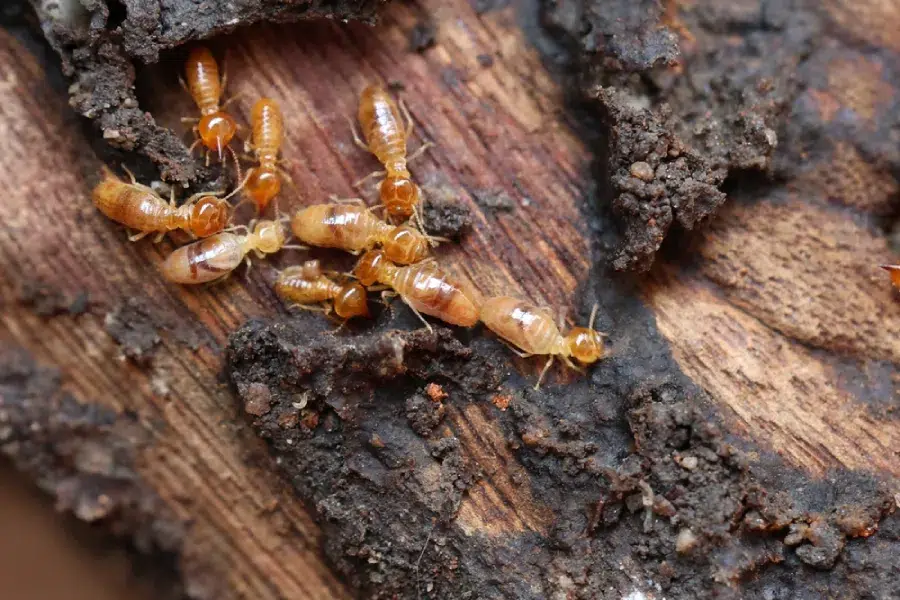
Termite prevention strategies require consistent follow-up to ensure barrier systems remain intact. Licensed technicians conduct thorough inspections every 3-6 months, checking moisture levels, structural vulnerabilities, and treatment zone integrity. These visits identify environmental changes—like new water leaks or vegetation growth—that could attract pests.
What role does proactive surveillance play in maintaining pest-free spaces?
Pest and Termite Control Solutions Designed for Sydney’s Climate recognize that prevention costs significantly less than remediation. Ongoing monitoring programs track seasonal pest patterns, adjusting protection strategies as Sydney’s weather fluctuates between dry summers and wet winters. Properties with active monitoring systems experience 70% fewer re-infestations compared to those relying solely on reactive treatments.
Digital rodent monitoring systems exemplify this approach, providing continuous data without harmful chemicals. These systems integrate with comprehensive pest management plans, creating multiple defense layers that adapt to Sydney’s unique environmental challenges. Regular surveillance transforms pest control from reactive emergency response into predictable, manageable property maintenance.