Is It Safe to Attempt Stump Removal Yourself? (The Arborist’s Opinion)
Is It Safe to Attempt Stump Removal Yourself? (The Arborist’s Opinion)
Stump removal involves extracting the remaining portion of a tree trunk and its root system from the ground after felling. Most arborists consider DIY stump removal a high-risk activity that homeowners should approach with extreme caution or avoid entirely.
The process presents numerous challenges that extend beyond simple physical labour. Tree stumps anchor themselves through extensive root networks that can spread several metres underground, often intertwining with utilities, foundations, and drainage systems. The wood itself may be hardened, decayed, or infested with pests, creating unpredictable conditions during removal.
Safety concerns dominate professional discussions about stump removal. Certified arborists consistently warn that the combination of heavy machinery, underground hazards, and physical demands creates a dangerous environment for untrained individuals. The equipment required—from stump grinders to chainsaws—can cause severe injuries when operated without proper training.
Professional arborists bring a distinct perspective shaped by years of experience and formal certification. They assess each stump individually, considering factors such as:
- Species-specific root structures and decay patterns
- Proximity to buildings, utilities, and other vegetation
- Soil conditions and potential environmental impact
- Local regulations governing tree and stump removal
The arborist’s opinion on DIY stump removal remains largely consistent across the industry: whilst small, shallow stumps might be manageable for experienced homeowners with appropriate tools, most situations warrant professional intervention. This stance stems from documented incidents of property damage, personal injury, and incomplete removal attempts that create long-term problems.
Why Do Arborists Advise Caution When Removing Stumps Yourself?
Arborists consistently warn against DIY stump removal because the stump removal hazards far outweigh any perceived cost savings. The physical dangers alone—ranging from chainsaw kickback to stump grinder entanglement—result in thousands of accident and emergency visits annually. Without professional expertise, homeowners underestimate both the power of removal equipment and the unpredictable nature of decaying wood.
Physical Injury from Heavy Machinery
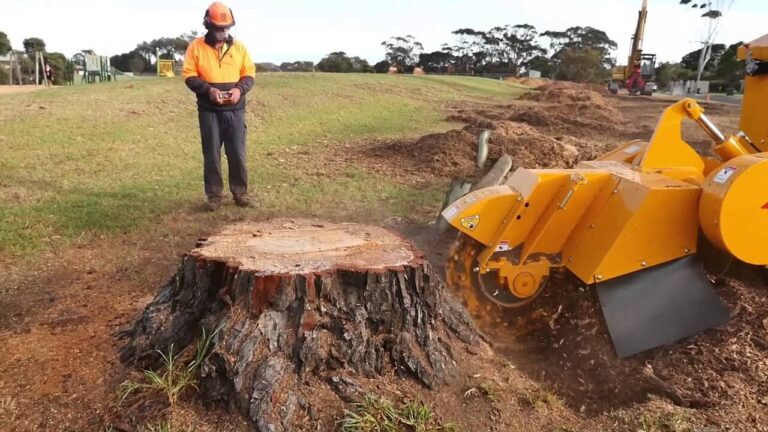
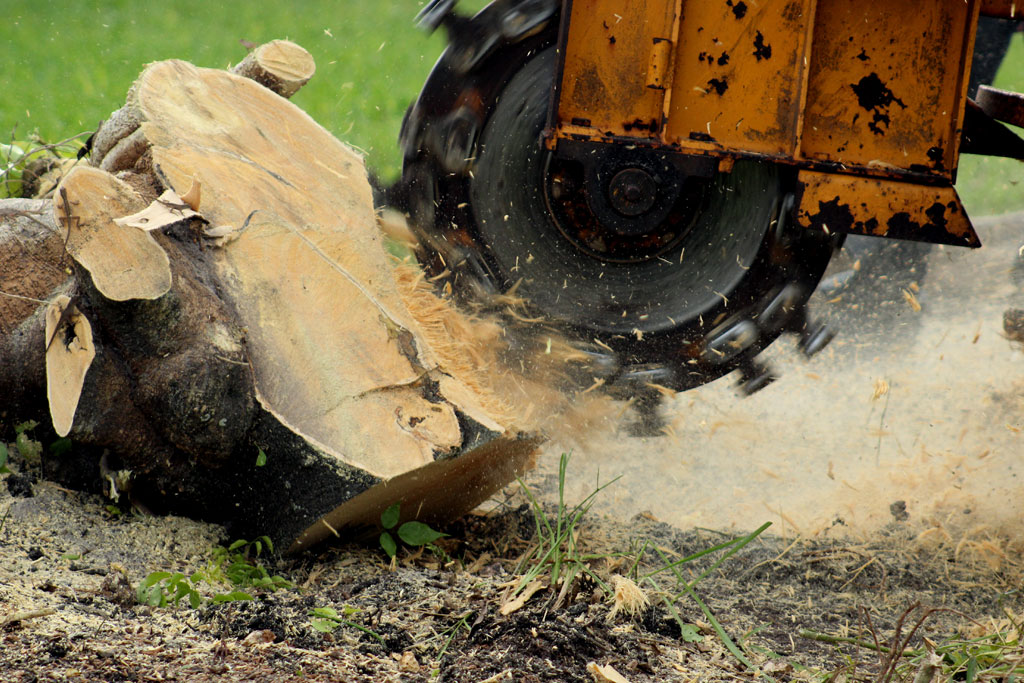
Stump grinders operate with rotating cutting discs that spin at speeds exceeding 1,000 RPM. A single moment of distraction can lead to severe lacerations, amputations, or crushing injuries. The machines weigh several hundred kilograms and require precise handling to prevent tipping or loss of control on uneven terrain.
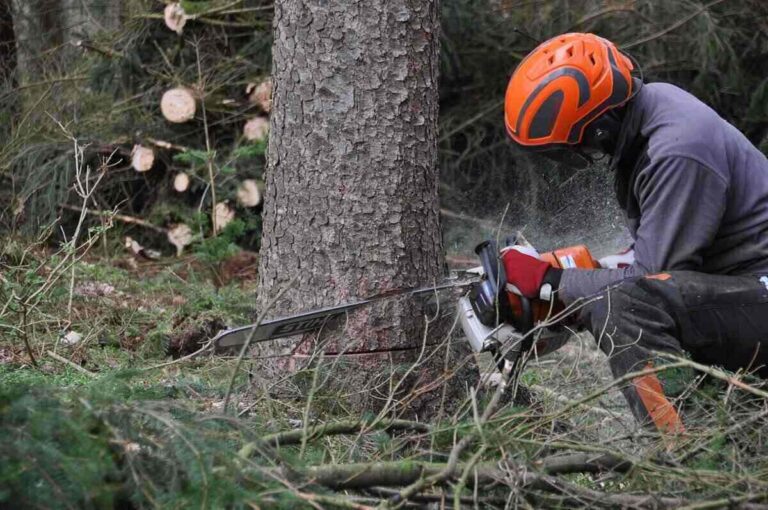
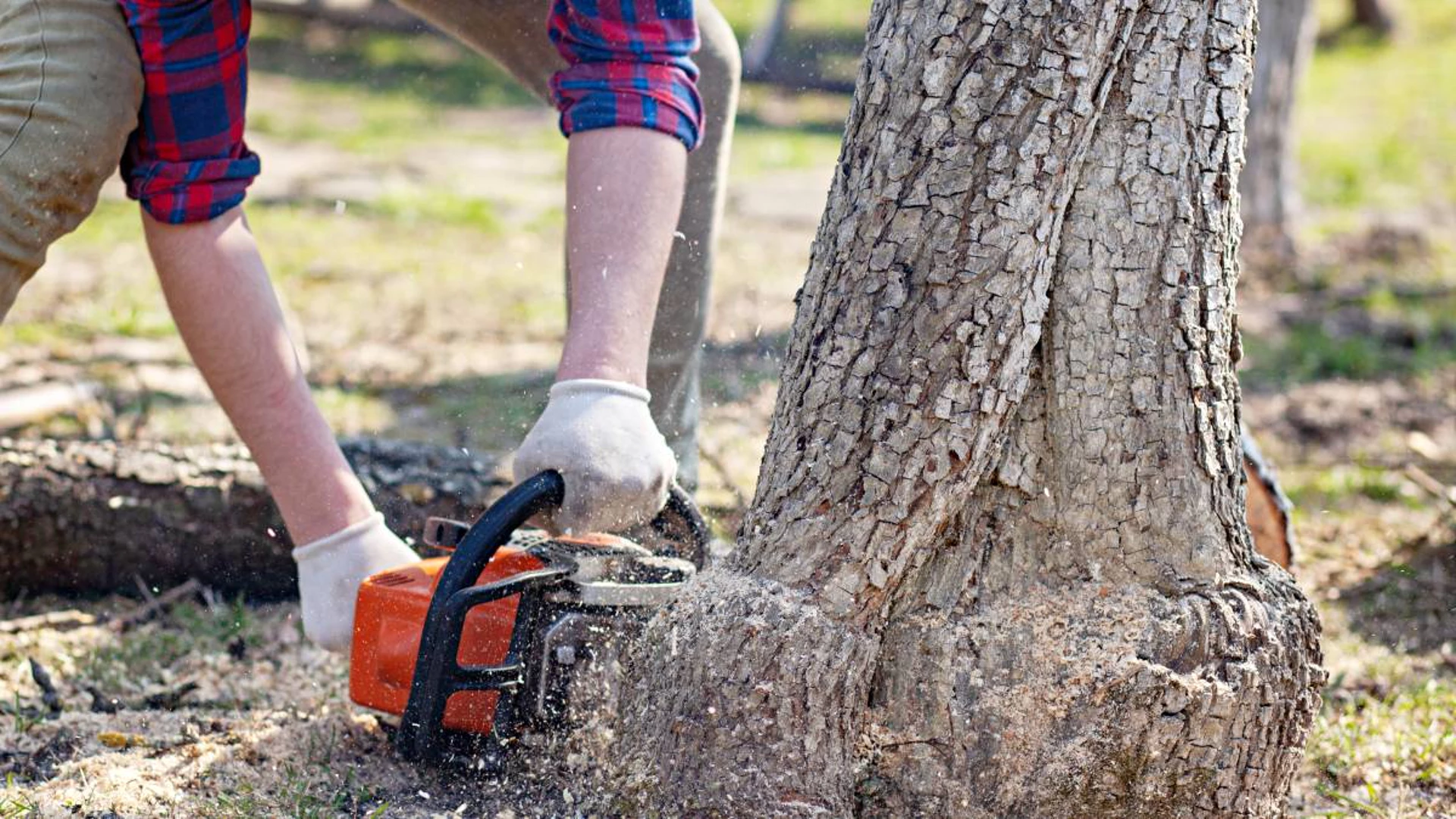
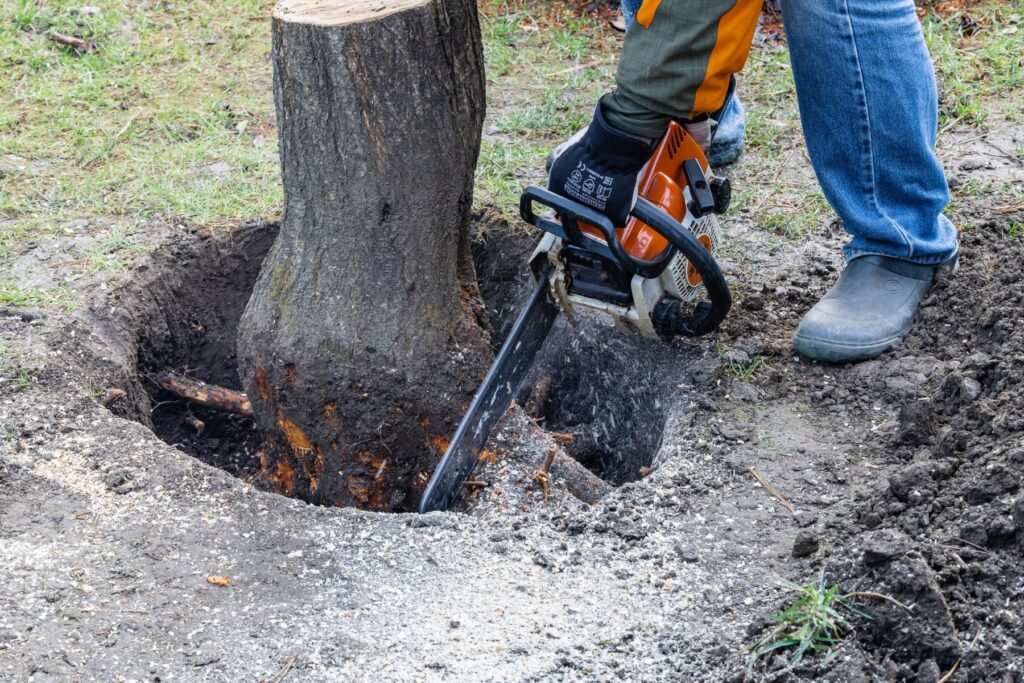
Chainsaws present equally serious DIY risks when used to cut stumps flush with the ground. The proximity to soil increases the likelihood of chain dulling, which causes the saw to bind and kick back violently toward the operator. Protective equipment like chainmail gloves and cut-resistant trousers becomes essential, yet many homeowners attempt the work in ordinary clothing.
Manual removal methods involving picks, mattocks, and pry bars create repetitive strain injuries and back problems. The force required to sever major roots often exceeds what untrained individuals can safely exert, leading to muscle tears and joint damage.
Property Damage and Underground Utilities
Buried infrastructure poses invisible threats during stump removal. Gas lines, water mains, electrical cables, and telecommunications fibres frequently run through residential properties at depths of 30-60 centimetres—exactly where stump roots extend.
Striking a gas line with grinding equipment can trigger explosions or toxic leaks requiring immediate evacuation. Severing electrical cables risks electrocution and neighbourhood power outages. Water main damage floods properties and incurs repair costs reaching thousands of pounds.
The “Call Before You Dig” services exist precisely because homeowners cannot reliably locate utilities themselves. Arborists coordinate with utility companies to mark lines before beginning work, a step DIY enthusiasts often skip.
Structural damage extends beyond utilities:
- Foundation cracks: Aggressive root removal.
What Are the Common Safety Risks Associated with DIY Stump Removal?
DIY stump removal presents numerous stump removal injury risks that can result in serious harm or permanent disability. The equipment required for this task—from chainsaws to stump grinders—demands specialised training and protective gear that most homeowners lack.
Chainsaw-Related Injuries
Chainsaws rank among the most dangerous tools in stump removal work. Kickback incidents occur when the chain catches on wood and violently throws the saw back towards the operator, potentially causing severe lacerations to the face, neck, or torso. Inexperienced users often misjudge cutting angles, leading to:
- Deep cuts requiring immediate medical attention
- Severed tendons or nerves in hands and arms
- Facial injuries from flying wood chips and debris
- Hearing damage from prolonged exposure to high decibel levels
The Occupational Safety and Health Administration reports thousands of chainsaw injuries annually, with many occurring during stump removal attempts by untrained individuals.
Stump Grinder Hazards
Stump grinders pose unique dangers that extend beyond the operator. These machines feature rotating cutting wheels with carbide teeth spinning at high speeds, capable of launching projectiles at velocities exceeding 100 mph. Tool safety protocols require:
- Full-face shields and impact-resistant eye protection
- Steel-toed boots to protect against falling debris
- Heavy-duty gloves rated for mechanical hazards
- Ear protection to prevent noise-induced hearing loss
Contact with the grinding wheel can result in traumatic amputations or crushing injuries. The machine’s weight and power also create risks of the equipment tipping over on uneven terrain, potentially pinning or crushing the operator.
Underground Utility Strikes
Excavating around stumps without proper utility location services creates catastrophic property damage risks. Tree roots often intertwine with buried infrastructure, making strikes highly probable during aggressive removal attempts. Hitting underground utilities can cause:
- Electrical cables: Electrocution, fires, or power outages affecting entire neighbourhoods
- Gas lines: Explosions, toxic gas leaks, and mandatory evacuations
- Water mains: Flooding, erosion, and expensive emergency repairs
How Do Professional Arborists Approach Stump Removal Differently?
Professional arborists begin with a comprehensive site assessment that examines the stump’s size, root system, proximity to structures, and potential underground hazards. This initial evaluation determines the safest removal method and identifies any complications before work begins, reducing the likelihood of costly mistakes or dangerous situations.
What Makes Certified Arborist Assessment Different?
Certified arborists possess specialised training in tree biology and structural analysis that DIY enthusiasts typically lack. They evaluate whether the stump shows signs of disease, decay, or pest infestation that could affect the removal process or spread to nearby vegetation. This expertise allows them to predict how root systems extend underground, which is critical when working near foundations, driveways, or utility lines.
The assessment phase includes:
- Measuring stump diameter and estimating root spread
- Testing soil composition and moisture levels
- Identifying nearby trees that share root systems
- Checking for signs of structural instability in surrounding areas
- Documenting existing property features that require protection
Which Specialised Equipment Do Professionals Use?
Professional arborist methods rely on commercial-grade machinery designed specifically for safe stump removal. Unlike consumer-grade tools available for rent, professional equipment features enhanced safety mechanisms, greater power efficiency, and precision controls that minimise collateral damage.
Stump grinders used by professionals typically range from 25 to 100 horsepower, compared to 13-20 horsepower rental units. These industrial machines can grind stumps 12-18 inches below ground level in a fraction of the time, reducing exposure to hazardous conditions. The cutting teeth are professionally sharpened and replaced regularly, ensuring clean cuts that prevent dangerous kickback.
Hydraulic stump pullers provide an alternative method for stumps in sensitive locations. These devices apply controlled force to extract the entire root ball without vibration or grinding debris, making them ideal for areas near underground utilities or delicate landscaping.
Additional specialised equipment includes:
- Ground-penetrating radar to locate buried cables and pipes
- Protective barriers and safety zones to shield property
- Industrial wood chippers for immediate debris processing
- Soil amendment tools to restore ground stability post-removal
Can Some Stumps Be Saved Instead of Removed?
Not every stump needs to be completely removed—certified arborists can identify situations where keeping the stump offers better outcomes for your landscape. Professional evaluation determines whether a stump remains structurally sound, disease-free, and positioned in a way that doesn’t threaten property or safety.
When Do Arborists Recommend Stump Preservation Alternatives?
Arborists look at multiple factors before suggesting removal or preservation. A stump from a recently cut tree might still have a healthy root system that prevents soil erosion, especially on slopes or near water features. The type of tree is important—hardwood stumps from oak or maple trees decompose slowly and can serve functional purposes for years.
Viable preservation scenarios include:
- Stumps located in natural woodland areas where decomposition supports ecosystem health
- Structurally sound stumps that can be transformed into garden features or wildlife habitats
- Root systems that stabilise soil in erosion-prone areas
- Stumps from non-invasive species without disease or pest infestations
Arborists conduct thorough inspections for signs of rot, fungal growth, or insect activity. They examine the surrounding soil conditions and assess whether the stump’s root network provides valuable erosion control. If the tree was removed due to storm damage rather than disease, the remaining stump often stays healthy enough to preserve.
How Does Stump Preservation Support Biodiversity?
Leaving certain stumps alone creates small habitats that benefit local wildlife and soil organisms. Dead wood provides essential resources for numerous species that form the foundation of healthy ecosystems. Fungi colonise decaying stumps, breaking down lignin and cellulose while creating networks that support surrounding plant life.
The biodiversity benefits extend across multiple levels:
- Invertebrate populations: Beetles, ants, and other insects use stumps for nesting and food sources
- Fungal networks: Mycorrhizal fungi establish connections between the decaying stump and living plants
- Bird and small mammal habitats: Cavities in older stumps provide shelter and foraging opportunities
- Soil enrichment: Gradual decomposition releases nutrients back into the surrounding earth
Research shows that decomposing wood supports up to 40% of forest biodiversity.
What Local Regulations Should Be Considered Before Removing a Stump?
Local tree regulations, permits for stump removal, and protected vegetation laws vary significantly by region and can result in substantial fines if ignored. Many councils classify certain tree species as protected, require permits for stumps exceeding specific diameters, or designate entire areas as conservation zones where removal is restricted or prohibited.
Understanding Your Council’s Tree Preservation Orders
Tree Preservation Orders (TPOs) often extend to stumps, meaning you cannot remove them without written consent from your local planning authority. These orders protect trees that contribute to the landscape’s character or hold ecological significance. Stumps from trees previously covered by TPOs typically remain protected even after the tree has been felled, requiring formal application and approval before any removal work begins.
Heritage and Conservation Area Restrictions
Properties within conservation areas face additional scrutiny regarding stump removal. You must provide six weeks’ notice to your council before removing any stump, regardless of size or species. During this period, the council assesses whether the stump warrants protection and may impose conditions or refuse permission entirely. Heritage-listed properties often require even more stringent approvals through multiple governmental bodies.
Species-Specific Protection Laws
Certain native species receive statutory protection under environmental legislation, making their removal—including stumps—illegal without proper authorisation. Australian councils, for example, protect significant native trees through local environmental plans. Removing protected stumps without permits can result in prosecution, restoration orders, and fines reaching tens of thousands of pounds.
Underground Utility Considerations
Before any stump removal, you must contact utility companies to identify underground services. Regulations require property owners to verify the location of:
- Gas lines and mains
- Electrical cables and conduits
- Water and sewerage pipes
- Telecommunications infrastructure
- Stormwater drainage systems
Damaging these utilities during unauthorised stump removal creates legal liability and potentially life-threatening situations.
How Arborists Navigate Permit Requirements
Certified arborists maintain current knowledge of local tree regulations and streamline the permit application process. They conduct preliminary assessments to determine whether your stump falls under protected categories, prepare necessary documentation including site plans and justification reports, and liaise directly with council officers to expedite approvals. Their professional credentials often carry.
Why Is Professional Stump Removal Ultimately Safer and More Effective?
Professional stump removal delivers superior long-term results compared to DIY attempts, primarily because certified arborists eliminate stumps completely whilst preventing future complications. The benefits of professional stump removal expert knowledge advantages extend far beyond the immediate task, protecting your property from hidden risks that amateur removal often overlooks.
Long-Term Outcomes: Professional vs DIY Approaches
DIY stump removal typically leaves portions of the root system intact, creating problems months or years later. Homeowners using rental grinders often achieve surface-level results, grinding only the visible stump whilst extensive root networks remain underground. These remnants continue decomposing, creating voids that cause soil subsidence and damage to nearby structures, driveways, or pathways.
Professional services address the entire stump system. Arborists assess root spread patterns before removal, ensuring complete extraction or grinding to depths that prevent structural issues. They understand species-specific root behaviour—oak stumps, for instance, require deeper grinding than birch due to their extensive lateral root systems.
The cost difference between repeated DIY attempts and a single professional service often favours the latter. Homeowners frequently rent equipment multiple times, purchase various chemicals, and still face incomplete removal. Professional arborists complete the job in one visit with industrial-grade equipment that grinds stumps 30-45 centimetres below ground level, compared to the 15-20 centimetres typical of rental machines.
Expert Prevention of Regrowth and Disease
Is It Safe to Attempt Stump Removal Yourself? (The Arborist’s Opinion) becomes particularly relevant when considering biological complications. Certain tree species—willow, poplar, and elm—exhibit aggressive regrowth from seemingly dead stumps. Without proper treatment, these stumps sprout multiple shoots within weeks, creating maintenance headaches and potentially spreading diseases to healthy nearby trees.
Arborists apply species-appropriate treatments during removal:
- Herbicide application timing: Professionals know the precise growth stage when stumps absorb treatments most effectively
- Targeted chemical selection: Different species require specific herbicides; arborists match treatments to tree biology
- Application method expertise: Injection, painting, or spraying techniques vary based on stump
Conclusion
Is it safe to attempt stump removal yourself? The arborist’s opinion is clear: professional intervention offers the safest, most reliable path forward. DIY stump removal carries substantial risks that extend beyond immediate physical danger to include property damage, environmental consequences, and incomplete removal that creates ongoing problems.
Certified arborists bring specialised training, proper equipment, and comprehensive knowledge of tree biology, local regulations, and safety protocols. They assess each situation individually, considering factors that untrained homeowners might overlook—from underground utility lines to soil stability and disease prevention. This expertise translates directly into outcomes that protect both people and property whilst ensuring the job is completed thoroughly.
The cost savings of DIY stump removal rarely justify the potential expenses from injuries, equipment hire, property damage, or the need to eventually call professionals after an unsuccessful attempt. Professional services provide insurance coverage, proper disposal, and guaranteed results that DIY methods simply cannot match.
When facing a stump removal decision, contact a certified arborist for an assessment. These experts will evaluate whether removal is necessary, explain your options, handle permit requirements, and execute the work safely. Your property, health, and peace of mind deserve the protection that professional arborist services provide. The question isn’t whether you can remove a stump yourself—it’s whether the risks are worth taking when safer, more effective alternatives exist.
Learn more 8 Unexpected Items Covered by Green Waste Removal Near Me Services