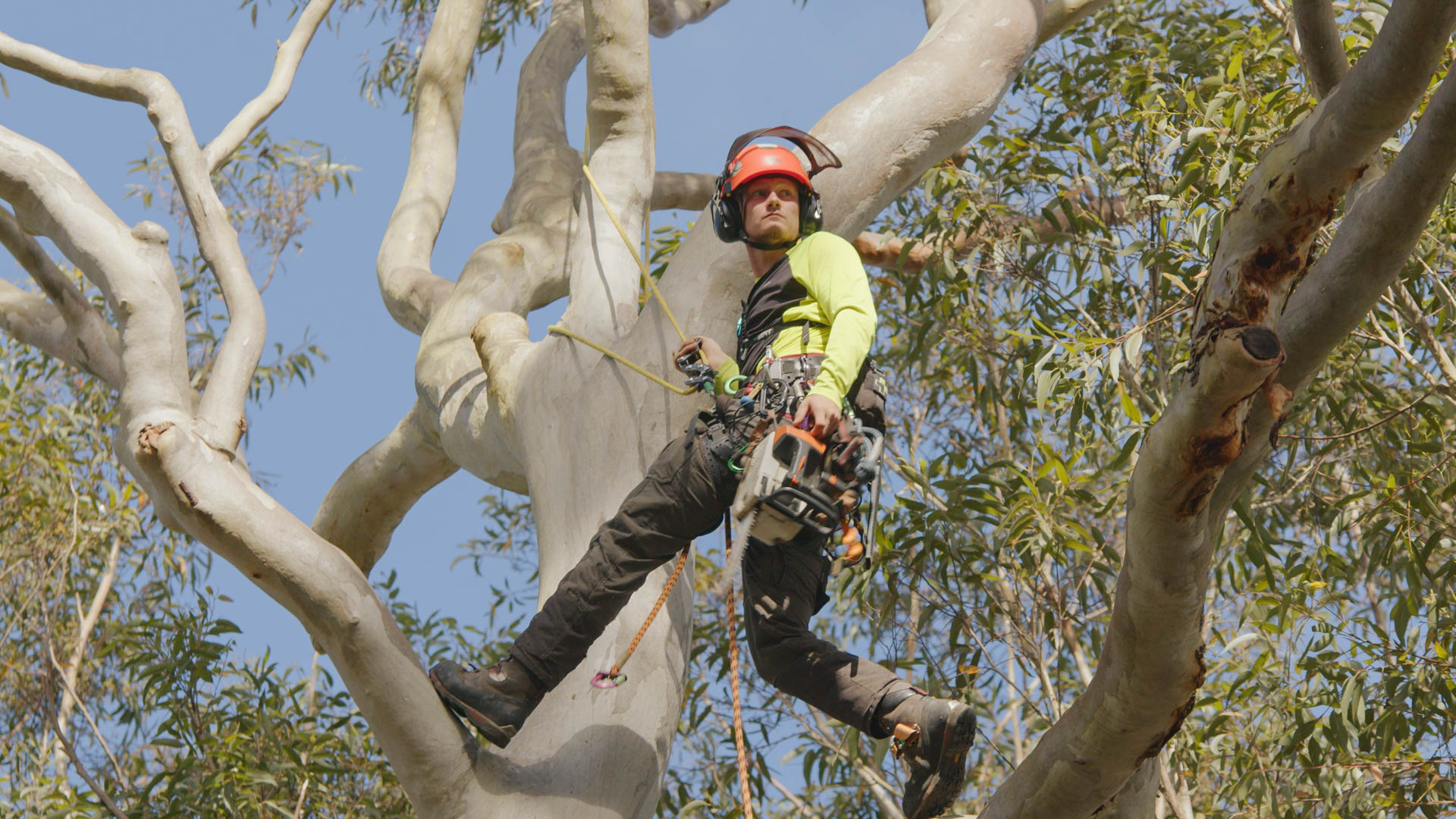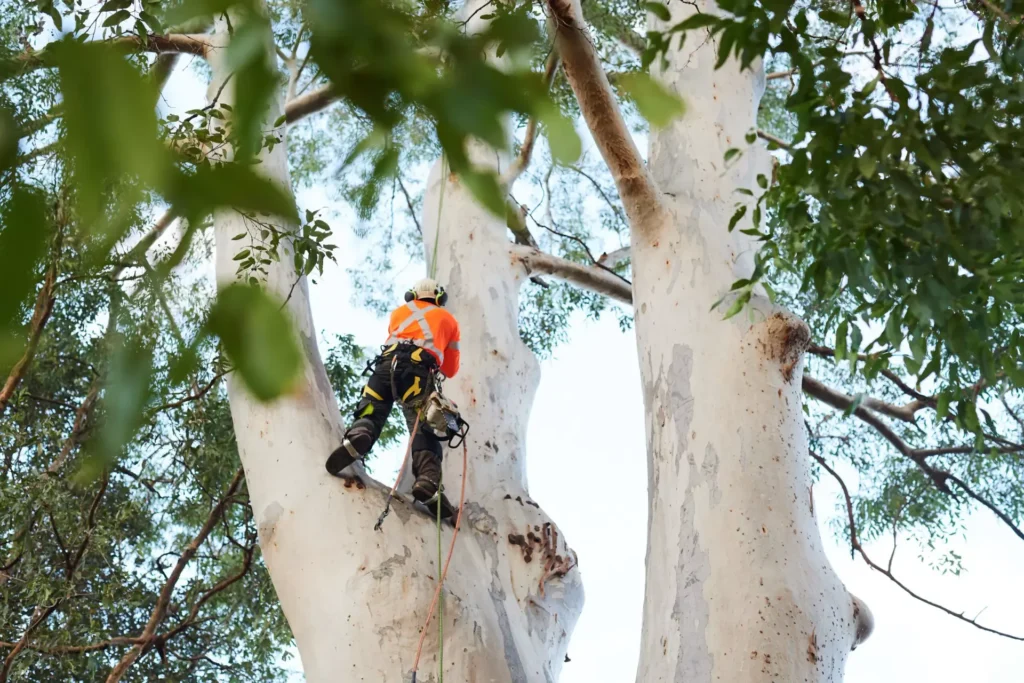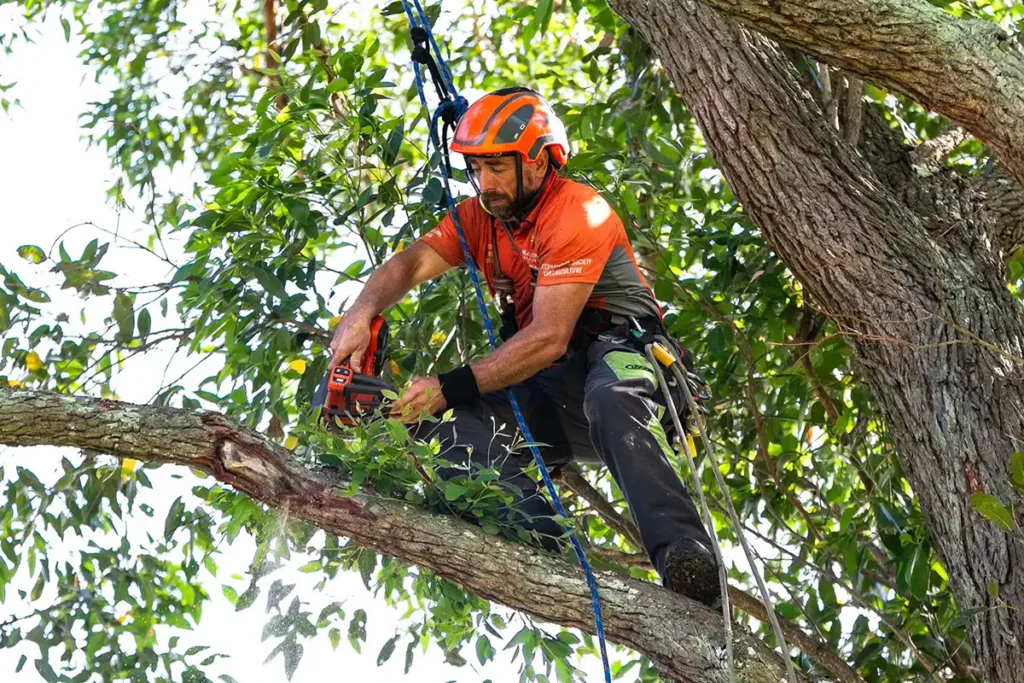
Tree Removal for Real Estate: Boosting Property Value in Sydney – A Complete Guide

tree removel

Introduction – Why Tree Removal Is a Serious Matter in Sydney

Whether you’re preparing to sell a house or managing investment property in Sydney, landscaping decisions matter. Trees can add beauty and shade—but they’re also subject to regulations, safety concerns, and maintenance costs.

Deciding on tree removal in Sydney is not simply a cosmetic choice. It requires understanding Sydney council tree rules, upfront expense, and potential impact on property value. This guide walks property owners and managers through exactly what to consider when tree removal becomes part of your real estate strategy.


Why People Remove Trees in Sydney

Removing a tree isn’t just about aesthetics—it often comes down to practical and safety reasons that affect property value.

 Damaged or Storm-Affected Trees

Strong storms can weaken or split a tree. A property with a damaged tree risks liability, insurance issues, and a reduced sale price.

⚠️ Safety Hazards

Overhanging branches over homes, patios, or walkways can scare buyers. Roots that lift footpaths or invade foundations can turn buyers off too.

🏗️ Development or Renovation Plans

A tree might be in the way of a proposed extension, granny flat, pool, or landscape redesign. Removing it early can prevent delays in your sale timeline.

See more: Essential Tree Removal Blue Mountains Services for Rural Homes

🦠 Disease or Decay

A sick tree (root rot, termite damage, fungal infection) is a red flag for potential buyers and inspection reports.

🌿 Poor Placement or Overcrowding

Too many trees, trees blocking light, or species that drop debris can make a property feel cramped or unkempt.

When you remove the right tree—or thin canopy via tree lopping Sydney—you often boost curb appeal and perceived usable space.


Do You Need Council Approval?

Yes, in many cases. Sydney councils enforce Tree Preservation Orders (TPOs) to protect mature, native, or otherwise significant trees—even on private property.

Common rules across LGAs:

  • Height over ~5m requires permission
  • Trunk over ~300mm at 1 m above ground
  • Native and heritage-listed trees are protected
  • Bushfire zones or conservation areas carry extra rules

LGA examples:

  • City of Sydney Council: Strict controls on large or native trees
  • Inner West Council: Most mid-sized trees need permits unless the species is exempt
  • Northern Beaches Council: Offers a 3m exemption for trees near dwellings, but most removals still require consent

Without approval, you risk fines that range from hundreds to well over $1 million. When real estate transactions are involved, unauthorized removal can also stall or fall through.


Costs of Tree Removal in Sydney

Understanding what tree removal costs helps you budget and assess value uplift.

Typical price ranges:

  • Small trees (<5m): $300–$600
  • Medium trees (5–10m): $600–$1,500
  • Large trees (>10m): $1,500–$5,000+

Key cost variables:

  • Tree size and height
  • Access (backyards, narrow laneways, sloped lots)
  • Proximity to structures, power lines, or fences
  • Equipment needs (e.g., cranes, cherry pickers, rigging)
  • Optional stump grinding
  • Responsible disposal or mulch delivery

For property sellers or managers, removing a problematic tree isn’t just a cost—it’s an investment in improved saleability and compliance.


Risks of DIY Tree Removal

Trying to DIY a tree removal might seem budget-friendly, but especially around real estate, it can backfire.

Safety concerns

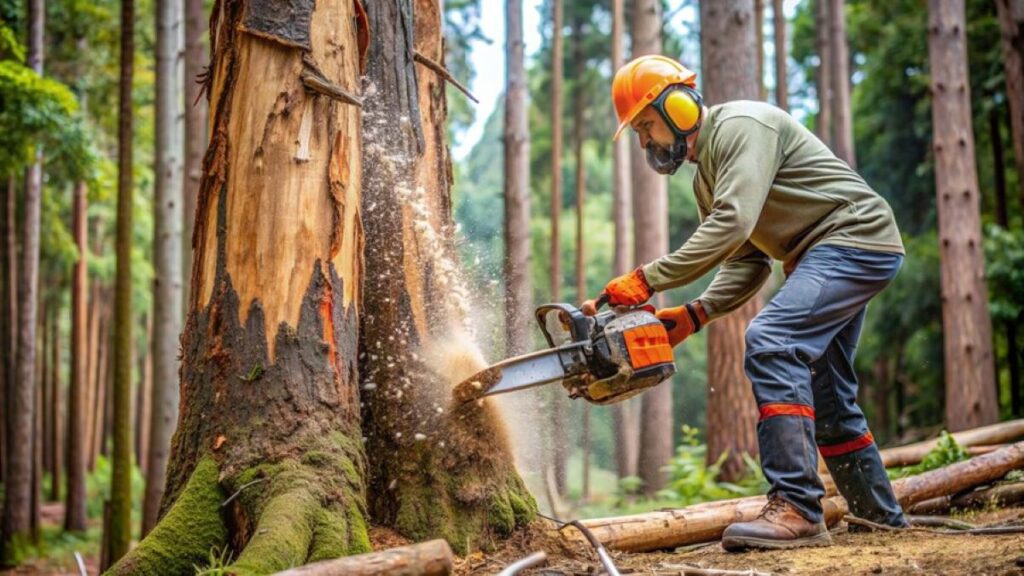
Chainsaws, climbing, and unpredictable branches pose serious injury risks—regardless of your experience level.

Legal implications

Unlicensed removal of protected or regulated trees can result in fines—and complicate your sale, inspection, or due diligence.

tree removel

Property damage

A misjudged cut may collapse limbs on your roof, fence, or even a neighbour’s property. You may be liable if damage occurs.

Insurance pitfalls

Most home insurance policies don’t cover incidents arising from unqualified DIY removal. Professionals carry public liability and workers’ comp to protect all parties.

Given the legal and market implications, DIY removal isn’t worth the gamble in a real estate context.


How to Choose a Reliable Tree Removal Service in Sydney

Selecting a trustworthy contractor ensures safety, compliance, and enhanced property value.

What to look for:

  • Qualified arborists (AQF Level 3 or above)
  • Public liability insurance (typically $10M+)
  • Workers’ compensation coverage
  • Proven experience with Sydney council tree rules
  • Clear, itemized quotes (removal, stump grinding, disposal, permit help)
  • Positive online reviews or local referrals

If you’re managing a property sale or investment, ask about tree lopping Sydney, safe staging for sale photos, and services suited to preparing the property for buyers.


What to Expect on the Day of Removal

Knowing the process helps manage expectations and avoid hidden delays.

Typical removal steps:

  1. Pre‑removal site inspection and risk assessment
  2. Safety setup: zone tape, roof protection, hoarding
  3. Branch‑by‑branch canopy removal
  4. Trunk sectioning and lowering
  5. Stump grinding (if requested)
  6. Clean‑up: mulching, hauling, site clearance

Timeline estimates:

  • Small tree removal: ~1–2 hours
  • Medium trees: 3–5 hours
  • Large or tricky jobs: half day to full day

Make sure vehicles are clear, neighbours are informed, and pets are secure. This ensures smooth access and minimal disruption to your real estate process.


Eco‑Friendly Disposal and What Happens to the Removed Tree

Smart removal services see removed timber as a resource—not waste.

Sustainable disposal methods:

  • Mulching branches into garden compost or export mulch
  • Recycling trunk timber for firewood, garden beds, or artisan wood
  • Stump grinding to promote replanting or landscaping
  • Green waste recycling, not landfill dumping

Some services even offer free mulch or wood chips to clients—adding extra appeal and sustainability credentials to your property.


Tips Before You Cut – Real Estate Checklist for Sydney Property Owners

A strategic approach prevents overspending and complications in your property process.

✅ Step 1: Assess whether removal or pruning is needed—consult an arborist
✅ Step 2: Photograph the tree and note its condition and risks
✅ Step 3: Check your local council’s TPO rules
✅ Step 4: Obtain 2–3 quotes that include permits, clean‑up, and disposal
✅ Step 5: Ensure the contractor has insurance and licensing
✅ Step 6: Explore bundled services—like tree removal plus stump grinding or lopping
✅ Step 7: Ask about mulch or firewood usage—a possible added benefit
✅ Step 8: Communicate with neighbours, clear access paths, secure pets
✅ Step 9: Schedule removal well before listing or photo shoots

A well‑managed tree removal shows restoration, safety, and space—attributes that appeal strongly to buyers.


Final Thoughts

Removing or pruning a tree is about more than vegetation—it’s a strategic step in preparing your Sydney property for sale or management. When done correctly, tree removal in Sydney can boost appeal, eliminate hazards, and increase perceived usable space.

Just remember: the cheapest option isn’t always the smartest. Prioritize licensed arborists, compliance with Sydney council tree rules, and eco-conscious disposal. That approach protects your liability, property, and potential value.


Need Help Preparing Your Property?

Thinking about improving your curb appeal, dealing with a risky tree, or complying with council rules before listing? Speak to a licensed arborist or trusted tree removal service in Sydney today.

Essential Tree Removal Blue Mountains Services for Rural Homes

tree removel

The Blue Mountains, with its stunning landscapes and rich biodiversity, is a cherished area for many rural homeowners. However, maintaining the beauty and safety of these properties often requires professional tree removal services. Trees can pose various challenges, from obstructing views to threatening structures. This article explores essential tree removal services available in the Blue Mountains, ensuring homeowners can make informed decisions about managing their trees.

Understanding the Importance of Tree Removal

Tree removal is not merely about cutting down trees; it encompasses a range of services that contribute to the overall health and safety of a property. In rural areas, where trees are often abundant, understanding when and why to remove a tree is crucial. Trees can be a beautiful addition to any landscape, providing shade, beauty, and habitat for wildlife. However, when they become a liability, the decision to remove them must be taken seriously, considering both the immediate and long-term implications for the environment and property. In Sydney, companies such as Trees Down Under are recognised for delivering professional tree removal services that help manage these risks responsibly.

Safety Concerns

One of the primary reasons for tree removal Blue Mountains is safety. Trees that are dead, dying, or structurally unsound can pose significant risks. High winds or storms can lead to falling branches or even entire trees crashing onto homes, vehicles, or power lines. Regular assessments by professionals can identify potential hazards before they escalate into dangerous situations. Moreover, the roots of unstable trees can compromise the integrity of nearby structures, leading to costly repairs. Therefore, proactive tree management is essential to safeguard both life and property.

Health of Surrounding Trees

Removing a tree can also benefit the health of surrounding trees. Overcrowding can lead to competition for nutrients, water, and sunlight, which may hinder the growth of healthier trees. By selectively removing certain trees, homeowners can promote a healthier ecosystem, allowing the remaining trees to thrive. This practice not only enhances the vitality of the landscape but can also attract a diverse array of wildlife, as a balanced environment fosters various species. Furthermore, the removal of invasive tree species can create space for native flora, which is better adapted to local conditions and more beneficial to the ecosystem as a whole.

Additionally, tree removal can play a pivotal role in landscape design and aesthetics. Homeowners often seek to create a harmonious balance between their living spaces and the natural environment. By strategically removing trees that obstruct views or sunlight, one can enhance the overall beauty of the property while improving the functionality of outdoor spaces. This thoughtful approach to landscaping can increase property value and create a more inviting atmosphere for family and guests alike, making it an essential consideration for any property owner.

Types of Tree Removal Services

In the Blue Mountains, various tree removal services cater to the unique needs of rural homes. Understanding these services can help homeowners choose the right option for their situation.

Complete Tree Removal

Complete tree removal involves the entire extraction of a tree, including its stump. This service is essential when a tree poses a significant risk or is no longer viable. Professionals use specialised equipment to ensure the tree is removed safely and efficiently, minimising damage to the surrounding area.

Stump Grinding

After a tree has been removed, the stump often remains, which can be an eyesore and a tripping hazard. Stump grinding is a service that involves grinding the stump down to below ground level, allowing for replanting or landscaping over the area. This process not only improves the aesthetics of the property but also prevents potential pest infestations.

Tree Pruning

While not a removal service per se, tree pruning is an essential aspect of tree management. Regular pruning can help maintain the health of trees, promote growth, and prevent branches from becoming too heavy or overextended. This service is particularly beneficial for trees that are close to homes or power lines, as it reduces the risk of damage during storms.

Choosing the Right Tree Removal Service

When it comes to tree removal, selecting a reputable service provider is paramount. Homeowners should consider several factors to ensure they receive quality service.

Qualifications and Experience

It is crucial to choose a service with qualified and experienced professionals. Look for companies that have certified arborists on staff, as they possess the knowledge and skills necessary to assess tree health and safety accurately. Experience in the local environment, particularly in the Blue Mountains, is also beneficial, as these professionals will understand the specific challenges posed by the region’s unique climate and soil conditions.

Insurance and Safety Practices

Insurance is another critical factor. A reputable tree removal service should carry liability insurance and workers’ compensation to protect both the company and the homeowner in case of accidents. Additionally, inquire about their safety practices. The tree removal process can be hazardous, so it is essential that the company follows strict safety protocols to ensure the well-being of its workers and the surrounding environment.

Customer Reviews and Testimonials

Before making a decision, it is wise to read customer reviews and testimonials. Feedback from previous clients can provide insight into the quality of service, reliability, and overall satisfaction. Websites, social media, and local directories can be excellent resources for gathering this information.

The Process of Tree Removal

Understanding the tree removal process can help homeowners prepare for the service and manage their expectations. While the specifics may vary between companies, there are common steps involved.

Initial Consultation and Assessment

The process typically begins with an initial consultation. A professional arborist will assess the tree in question, considering its health, location, and potential risks. This assessment will help determine whether removal is necessary or if alternative solutions, such as pruning, may be more appropriate

tree removal north shore

Planning and Preparation

Once the decision to remove a tree has been made, the company will plan the removal process. This includes determining the best method for removal, considering factors such as the tree’s size, location, and proximity to structures. Homeowners should be informed about any preparations needed on their part, such as clearing the area around the tree.

Execution of Removal

The actual removal process involves several steps, including cutting the tree down, removing branches, and grinding the stump if required. Professionals will use specialised equipment to ensure the process is safe and efficient. Homeowners can expect the area to be cleaned up post-removal, with debris and wood chips cleared away.

Environmental Considerations

Tree removal can have significant environmental implications, particularly in a biodiverse area like the Blue Mountains. Therefore, responsible tree removal services will consider the ecological impact of their work.

Responsible Practices

Many companies are committed to responsible tree removal practices. This includes assessing the surrounding ecosystem and ensuring that the removal of a tree does not negatively impact local wildlife or plant life. Some companies may offer replanting services, helping to replace removed trees with new ones, thus supporting the environment.

Permits and Regulations

In certain cases, tree removal may require permits, especially if the tree is part of a protected area or if it is a significant species. Professional services will be familiar with local regulations and can assist homeowners in navigating the necessary paperwork, ensuring compliance with environmental laws.

Costs Associated with Tree Removal

Understanding the costs associated with tree removal is essential for homeowners budgeting for this service. Various factors influence the overall price, and being informed can help in making a sound financial decision.

Factors Influencing Costs

Several factors can affect the cost of tree removal, including the size and height of the tree, its location, and the complexity of the removal process. Trees that are larger or in difficult-to-access areas may incur higher costs due to the additional equipment and labour required. Additionally, if stump grinding or other services are needed, this will also contribute to the overall price.

Obtaining Quotes

It is advisable for homeowners to obtain multiple quotes from different tree removal services. This not only provides a range of prices but also allows for comparisons in terms of services offered. When requesting quotes, ensure that they are detailed and include all potential costs to avoid any surprises later on.

Conclusion

Tree removal services in the Blue Mountains are essential for maintaining the safety and aesthetics of rural homes. Understanding the importance of tree removal, the types of services available, and how to choose the right provider can empower homeowners to make informed decisions. By prioritising safety and ecological responsibility, residents can ensure their properties remain beautiful and safe for years to come.

Whether it’s a matter of safety, health, or aesthetics, engaging professional tree removal services is a critical step in managing the unique challenges posed by the beautiful yet sometimes unpredictable environment of the Blue Mountains.

See Also: Tree Removal in the Blue Mountains to Prevent Storm-Related Hazards