Termite Treatment Sydney: Effective Solutions to Protect Your Home
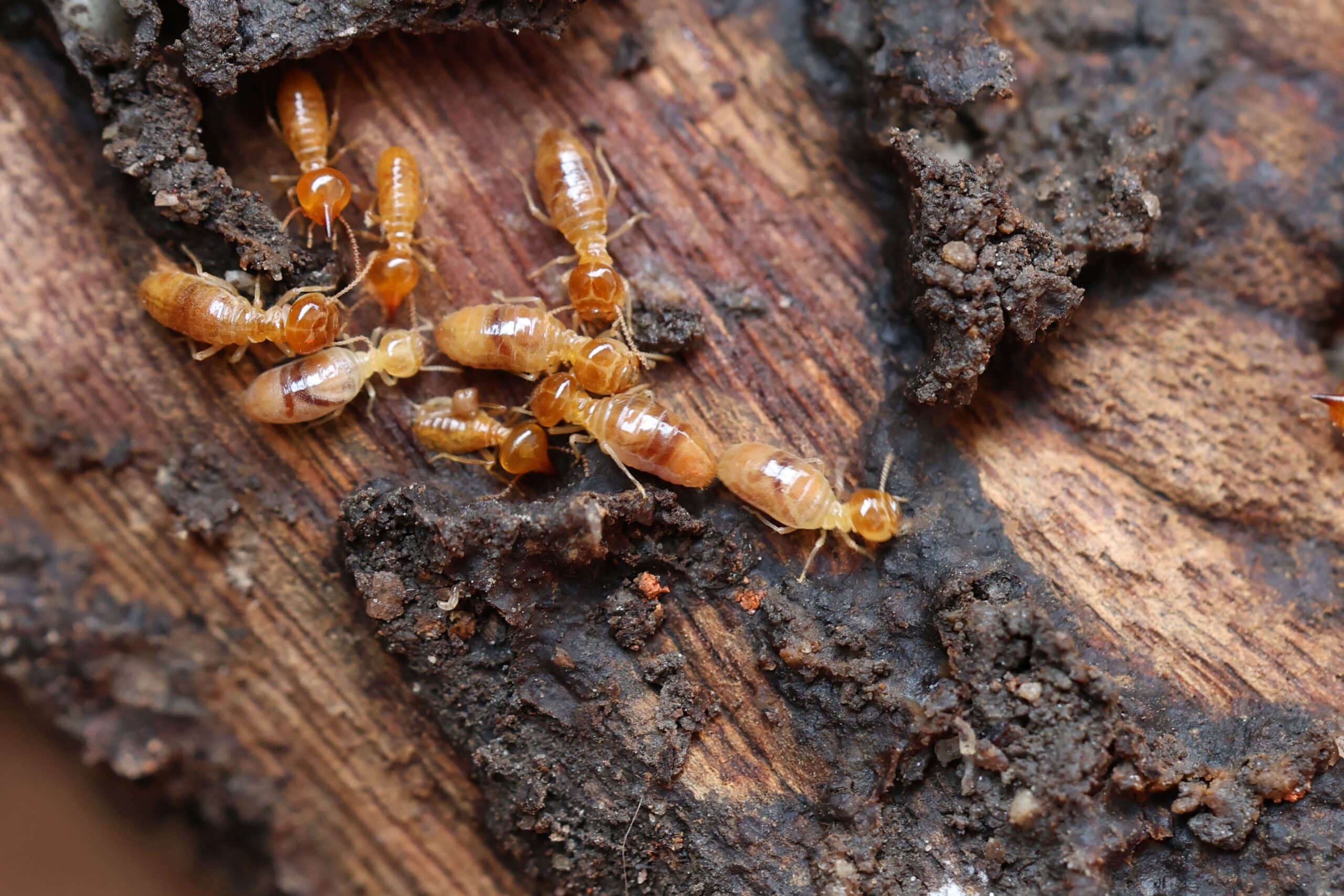
Sydney homeowners face a persistent challenge that threatens their properties – termite infestations. These silent destroyers cause an estimated $1.5 billion in property damage across Australia each year, with Sydney’s climate creating ideal conditions for termite activity.
The impact of termites on Sydney properties can be devastating:
- Structural damage to wooden components
- Compromised building integrity
- Significant reduction in property value
- Costly repairs and renovations
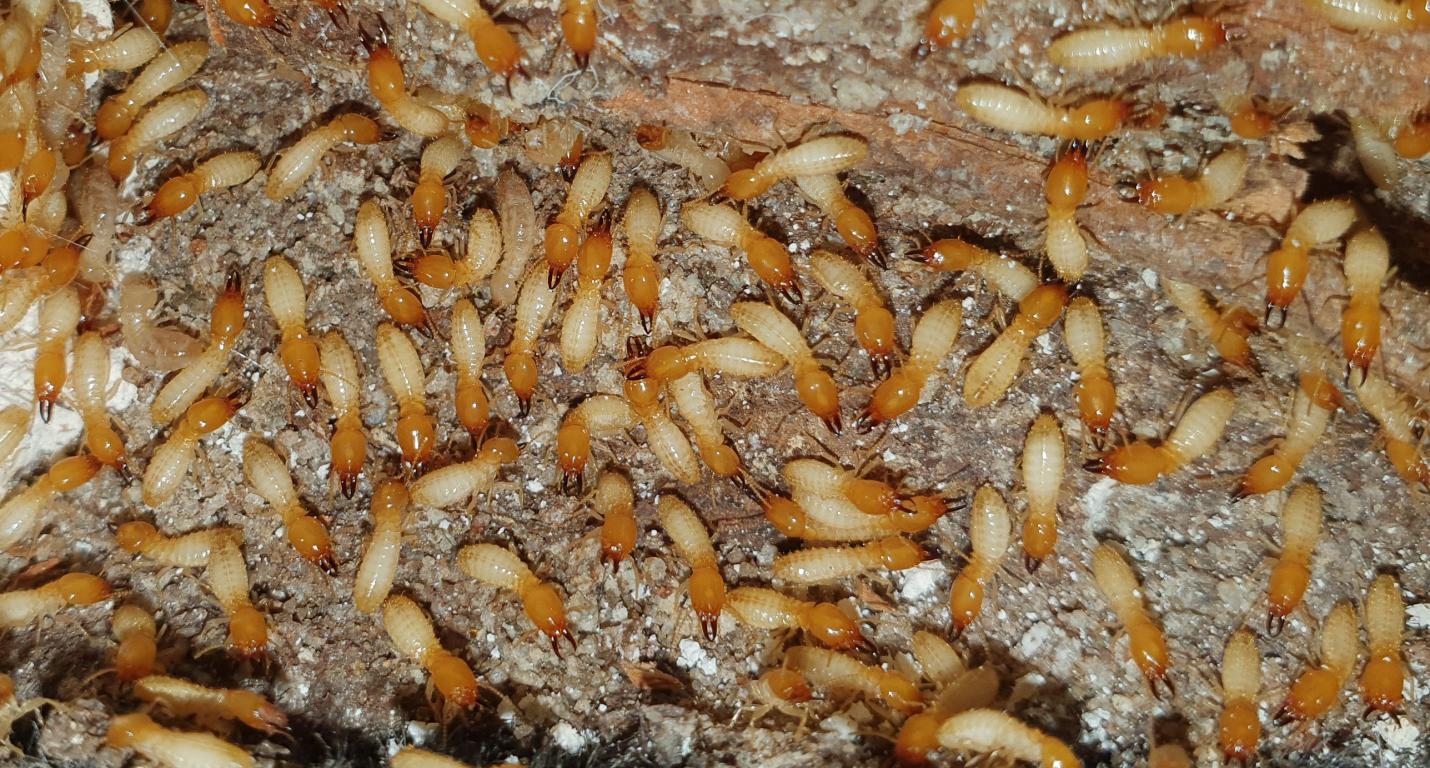
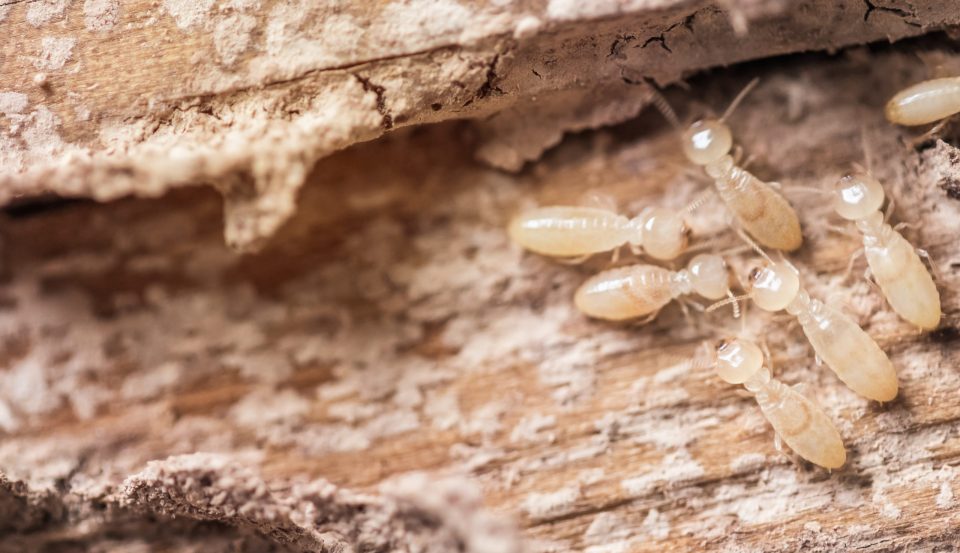
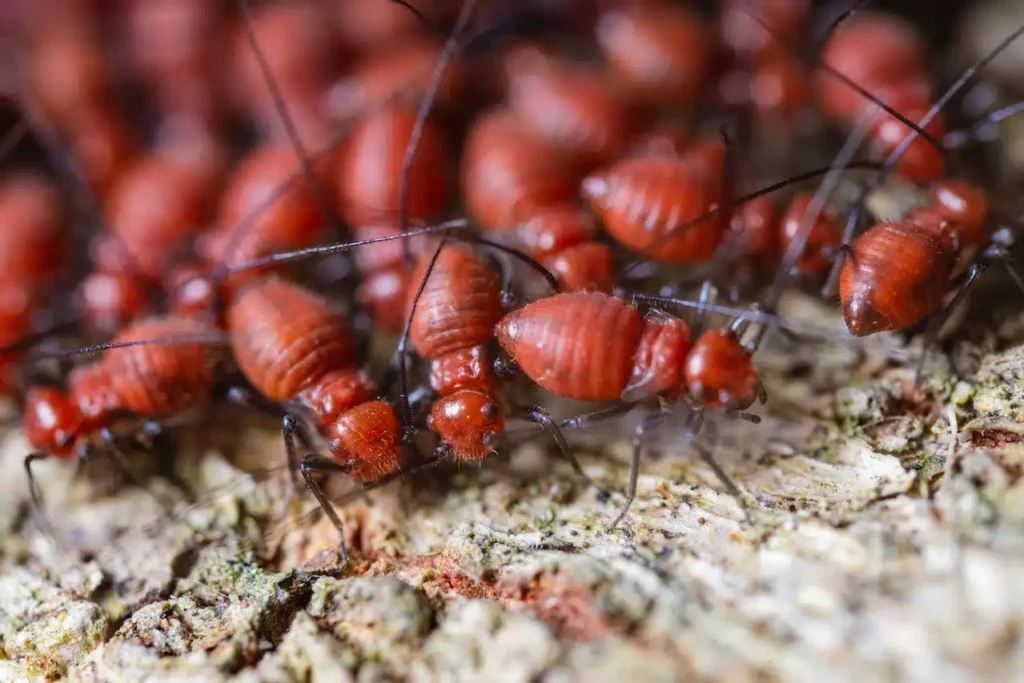
A single termite colony can contain millions of insects, capable of consuming up to 15kg of wood per year. In Sydney’s residential areas, homes without proper termite protection become prime targets for these destructive pests.
Effective termite treatment stands as the cornerstone of protecting your valuable investment. Professional termite management solutions offer:
- Early detection of termite activity
- Targeted treatment strategies
- Long-term protection measures
- Prevention of future infestations
The cost of implementing robust termite protection is minimal compared to the potential expense of repairing termite damage. By taking proactive steps to safeguard your property, you maintain its structural integrity and preserve its market value.
Your home represents one of your most significant investments – protecting it from termite damage should be a top priority for every Sydney homeowner.
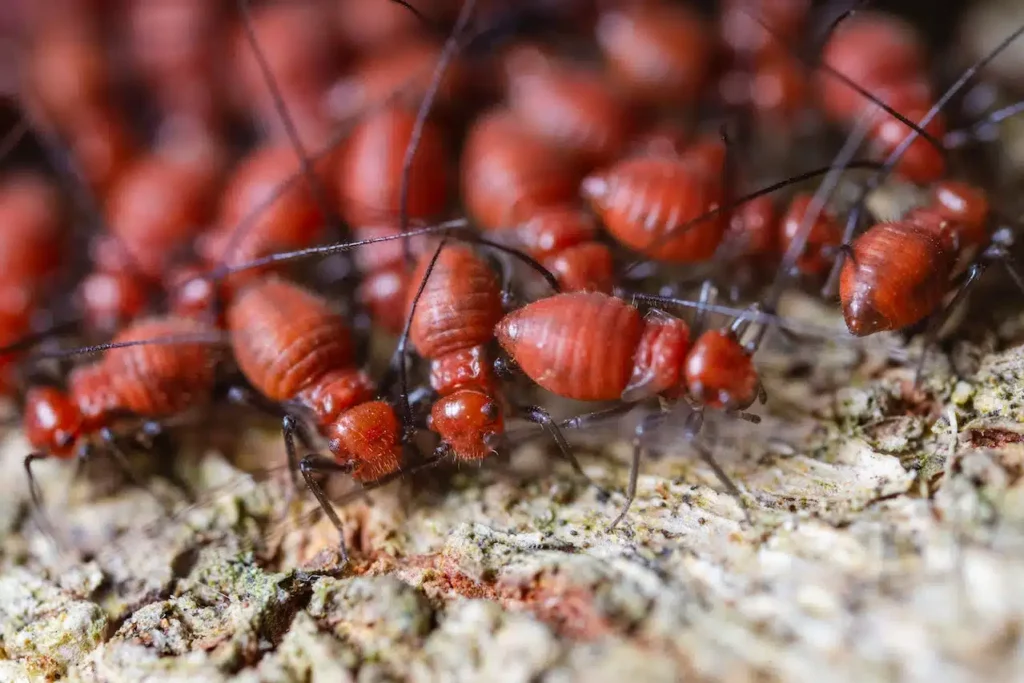
Understanding the Threat of Termites
Sydney’s warm climate and abundance of wooden structures create ideal conditions for termite infestations. These silent destroyers cause an estimated $1.5 billion in property damage across Australia each year, with Sydney homes particularly vulnerable to attack.
Professional pest and termite treatment Sydney control services bring essential expertise and advanced tools to protect Sydney homes from termite invasions. Licensed technicians possess in-depth knowledge of local termite species and their behaviour patterns, enabling them to create tailored treatment strategies for each property.
Critical Risks to Sydney Properties:
- Structural compromise of load-bearing elements
- Weakening of wooden frames and support beams
- Damage to wooden flooring and skirting boards
- Destruction of furniture and wooden fixtures
- Decreased property value
A single termite colony can contain millions of insects, consuming up to 15kg of wood per year. Their presence often goes undetected until significant damage has occurred, as they feed from the inside out, leaving the surface seemingly intact.
Insurance Gap Alert
Most home insurance policies in Sydney explicitly exclude termite damage from their coverage. This leaves homeowners fully responsible for:
- Repair costs
- Structural restoration
- Replacement of damaged materials
- Treatment expenses
- Prevention measures
The average cost of termite damage repair in Sydney ranges from $5,000 to $30,000, with severe cases exceeding $100,000. Professional pest control services become essential for both detection and treatment, as DIY methods rarely address the root of the infestation.
Regular termite inspections by qualified professionals can identify early signs of activity, preventing extensive damage and protecting your investment. These inspections should occur at least annually, with increased frequency in high-risk areas.
Read more at: Rodent Control Sydney Keeping Your Home Safe from Mice and Rats
Effective Strategies for Termite Treatment
Professional termite inspections are the foundation of effective termite management. Licensed pest control specialists use advanced detection tools, including thermal imaging cameras and moisture metres, to identify termite activity before significant damage occurs.
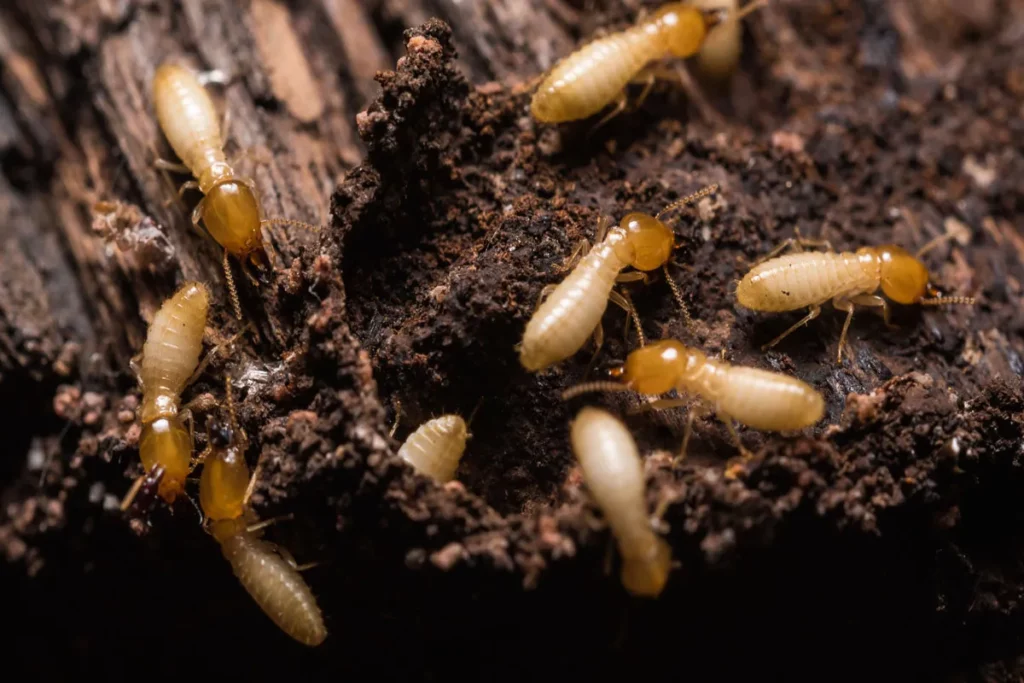
Key signs of termite infestation include:
- Mud tubes along walls or foundations
- Hollow-sounding timber when tapped
- Crumbling or damaged wood
- Tight-fitting doors and windows
- Bubbling or peeling paint
- Clicking sounds in walls
- Discarded wings near entry points
- Frass (termite droppings) resembling sawdust
A thorough inspection by qualified professionals typically covers:
- Structural timber elements
- Roof void and subfloor areas
- External perimeter of the building
- Garden areas within 50 metres
- Trees and stumps near the property
These inspections should occur at least annually, with increased frequency in high-risk areas or properties with previous termite activity. Professional pest controllers can spot subtle signs that might go unnoticed by untrained eyes, such as changes in wood density or unusual moisture patterns. Learn more about frequency at https://www.k-state.edu/parasitology/biology198/answers1.html
Early detection through regular inspections can mean the difference between a minor treatment and extensive structural repairs. Properties with dense vegetation, poor drainage, or previous termite history require particular attention and may benefit from more frequent professional assessments.
Chemical Soil Treatments and Physical Barriers
Professional termite control often combines chemical treatments and physical barriers to create a comprehensive defence system for your home. These methods work together to establish multiple layers of protection against subterranean termites.
Chemical Soil Treatments
- Termiticides create a protective zone around your property
- Termidor’s active ingredient, Fipronil, disrupts termite nervous systems
- Biflex features Bifenthrin, offering up to 8 years of residual protection
- Applied through trenching or drilling methods around house perimeters
Physical Barrier Systems
- Stainless steel mesh installations block termite entry points
- Graded stone layers prevent termites from building mud tubes
- Specially designed plastic sheets create impenetrable barriers
- Physical barriers remain effective throughout building lifetime
The installation of these protective measures requires careful planning and precise application. Chemical soil treatments need strategic placement around foundation walls, pipes, and other potential entry points. Physical barriers demand proper integration during construction phases or renovation works.
Professional pest control services in Sydney use Australian Pesticides and Veterinary Medicines Authority (APVMA) approved products. These treatments create long-lasting protection while maintaining safety standards for residents and pets.
For existing homes, retrofitting options include:
- Partial trenching around accessible areas
- Targeted drilling through concrete slabs
- Installation of retrofit physical barriers in wall cavities
- Combined systems using both chemical and physical protection
Using Bait Stations and Direct Wood Treatments
Bait stations are a strategic method of controlling termites by taking advantage of their natural feeding behaviour. These stations contain materials made from cellulose, which are mixed with slow-acting insecticides, and are placed strategically around the edges of a property.
How Bait Stations Work
The effectiveness of bait stations comes from their delayed action mechanism:
- Worker termites find and eat the bait
- They share the treated material with other members of the colony
- The slow-acting toxins spread throughout the colony
- The colony collapses within 3-6 months
Direct Wood Treatments
Protective treatments for wooden surfaces provide an extra layer of defence against drywood termites. These treatments include:
- Borate-based solutions that penetrate deep into timber
- Surface sprays containing targeted insecticides
- Protective sealants that prevent termite entry
The combination of bait stations and direct wood treatments creates a two-pronged defence system. Bait stations target the source of the colony while wood treatments protect specific vulnerable areas.
Requirements for Bait Stations
For bait stations to be most effective, they need:
- Regular monitoring every 4-8 weeks
- Prompt replacement of consumed bait
- Strategic placement near active termite leads
- Professional installation and maintenance
Reapplication Schedule for Wood Treatments
Wood treatments need to be reapplied every 2-5 years, depending on exposure levels and timber type. These treatments have proven particularly effective in protecting structural timber, decking, and wooden furniture from termite attacks. Click here to find more about exposure.
Managing Moisture and Practising Preventive Maintenance
Termites thrive in moist environments, making proper moisture management essential for effective termite prevention. A well-maintained drainage system directs water away from your home’s foundation, reducing the likelihood of termite infestations.
Key Moisture Management Strategies:
- Install gutters and downspouts to channel rainwater away from your house
- Grade the soil around your foundation to prevent water pooling
- Fix leaking taps, pipes, and air conditioning units promptly
- Address roof leaks and damaged tiles immediately
- Maintain proper ventilation in crawl spaces and subfloor areas
Essential Preventive Maintenance Tips:
- Keep wood materials, including mulch and firewood, at least 45cm away from your home’s foundation
- Trim trees and shrubs near your house to reduce moisture retention
- Remove dead tree stumps and roots from your property
- Install adequate ventilation in bathrooms and laundry areas
- Check and clean your gutters regularly to prevent water overflow
Creating a dry environment around your home significantly reduces its appeal to termites. Regular inspection of potential moisture sources helps identify and address issues before they attract these destructive pests. Proper drainage systems, combined with consistent maintenance practices, form a crucial line of defence against termite infestations.
A systematic approach to moisture control and preventive maintenance helps safeguard your Sydney property from termite-related damage. These practical measures complement professional termite treatments and create an inhospitable environment for these persistent pests.
The Role of Professional Termite Control Services in Sydney
These specialists offer:
- Comprehensive property assessments using thermal imaging and moisture detection technology
- Custom treatment plans based on property layout and infestation severity
- Safe chemical applications with industry-approved termiticides
- Regular monitoring to track treatment effectiveness
- Detailed documentation for property records and warranty purposes
Professional services also provide access to restricted-use pesticides and advanced treatment methods unavailable to the general public. Their systematic approach includes:
- Initial site inspection and risk assessment
- Implementation of targeted treatment solutions
- Installation of monitoring systems
- Scheduled follow-up inspections
A professional termite management programme ensures continuous protection through proven methods and expert application, safeguarding Sydney homes from these destructive pests.
Proactive Termite Management Tips for Homeowners
A strategic approach to termite management combines vigilance with practical actions. Here’s what you can do to protect your home:
1. Monthly Property Walks
- Check for mud tubes along foundations
- Look for damaged or hollow-sounding timber
- Inspect dark, damp areas around the house
2. Moisture Control
- Fix leaking taps and pipes immediately
- Clear gutters and downpipes regularly
- Maintain proper drainage away from foundations
3. Garden Maintenance
- Keep mulch at least 15cm away from house walls
- Remove dead trees and stumps promptly
- Trim branches touching your house
4. Building Maintenance
- Seal cracks in foundation walls
- Replace rotting wood promptly
- Ensure adequate subfloor ventilation
Regular inspections by qualified professionals should complement these home maintenance practices. Professional termite inspections, conducted at least annually, provide thorough assessments using specialised equipment to detect hidden termite activity. This combination of DIY vigilance and professional oversight creates a robust defence against termite invasions.
Conclusion
Your home is your most valuable investment, and it needs strong protection against various threats like termites and rodents. A proactive termite management strategy acts as a shield for your home, keeping its structure safe and market value intact for years. Likewise, effective rodent control is crucial to protect your property from these unwanted pests.
Andy’s Pest Control has decades of experience in both termite treatment and rodent control, serving homeowners in Sydney. Our comprehensive solutions combine advanced technology with proven methods to provide long-lasting protection for your property. We understand that every home has its own challenges, which is why we develop customised treatment plans tailored to your specific needs.
Don’t wait for termites or rodents to damage your home’s foundation. Act now with a thorough inspection and targeted treatment plan. Rely on professional expertise to protect your property investment and ensure your peace of mind.
Want to protect your home from termites or rodents? Get in touch with Andy’s Pest Control for a detailed inspection and effective treatment solutions designed specifically for your property.